

A Guide to Steering Tie Rod Ends for the 2007-2016 BMW 528i
Resolving steering wheel vibration and sloppy handling in your E60 or F10 generation 528i starts here.
- Confirm if your 528i is an E60 (2007-2010) or F10 (2011-2016) before buying, as the parts are different.
- For F10 models, be aware that seized tie rods are common and often require full replacement to perform an alignment.
- A professional wheel alignment is mandatory after replacement to ensure safety and prevent tire damage.
- For best results, consider OEM-equivalent brands like Lemförder or Delphi and replace the inner and outer tie rods together.
Is Your BMW 528i's Steering Feeling Off?
If your 528i has developed a mind of its own on the highway, or you're hearing noises that weren't there before, worn steering tie rod ends could be the culprit. These parts wear out over time from normal use and hitting potholes. Ignoring the symptoms can lead to unsafe driving conditions and premature tire wear.
Key Symptoms of a Failing Tie Rod End
- Steering Wheel Vibration: A shaky steering wheel, especially at highway speeds (50-70 mph), is a classic sign.
- Loose or Vague Steering: The steering may feel sloppy, disconnected, or have a "dead spot" where small movements of the wheel don't change the car's direction.
- Clunking or Knocking Noises: You might hear a distinct clunk or pop from the front end when turning at low speeds or driving over bumps.
- Uneven Tire Wear: A bad tie rod throws off the wheel alignment, causing the inside or outside edge of your front tires to wear down much faster than the rest.
Generation-Specific Issues: E60 vs. F10
It is critical to know which BMW 5-Series generation you own, as the parts are different.
- 2007-2010 BMW 528i (E60 chassis): These models use specific tie rods that are known to wear with mileage, leading to the classic symptoms of noise and loose steering.
- 2011-2016 BMW 528i (F10 chassis): This generation has a widely reported issue where the tie rod adjustment threads seize due to corrosion. This makes it impossible for a technician to perform a wheel alignment. Often, the only fix is to cut the old tie rods off and replace them.
Choosing the Right Aftermarket Tie Rod End
For a BMW, you don't want to compromise on steering quality. While dealership OEM parts are an option, several aftermarket brands offer excellent quality, sometimes from the same factories that supply BMW.
Premium Brands (OEM-Equivalent Quality):
- Delphi: A well-regarded brand known for quality engineering.
- Vaico: A supplier of parts for many German car brands, often considered to be of OEM quality.
- Lemförder: Frequently cited as an original equipment manufacturer for BMW. Choosing Lemförder is often the closest you can get to a genuine BMW part without the dealer markup.
Quality Aftermarket Brands:
- Moog: A very popular aftermarket brand, though recent forum discussions suggest quality can be inconsistent. They are often known for their "problem solver" designs.
- Mevotech: Offers several lines, such as "Supreme" and "TTX," which are generally considered decent quality. Like Moog, user opinions are mixed, but they can be a solid mid-range choice.
Economy Brands:
- Beck Arnley, Dorman, QuickSteer, Suspensia: These brands offer a budget-friendly solution. They can be a good choice if cost is the primary concern, but may not offer the same longevity or precise feel as premium brands.
Estimated Replacement Costs
| Part/Service | Estimated Cost |
|---|---|
| New Aftermarket Tie Rod End (Single) | $24 - $95 |
| New OEM Tie Rod End (Single) | $70 - $150+ |
| Shop Labor | $120 - $250 |
| Required: Four-Wheel Alignment | $100 - $200 |
Cost estimates are approximate and can vary by location and repair shop.
Frequently Asked Questions (FAQ)
Can I replace a tie rod end myself?
Yes, this is a manageable job for a DIYer with the right tools. You will need a jack and jack stands, a socket set, and possibly a ball joint separator. For the inner tie rod, a large wrench or a special inner tie rod tool is often required. However, a professional wheel alignment is absolutely required immediately after replacement. Failure to do so will result in poor handling and will destroy your tires.
Do I need to get an alignment after replacing tie rods?
Yes, always. Replacing a tie rod end directly affects the toe alignment of your front wheels. Driving without an alignment will make the car handle poorly and cause rapid, uneven tire wear. Many shops that perform alignments can also install the tie rods for you.
Should I replace the inner and outer tie rods at the same time?
It is strongly recommended. The inner and outer joints wear at similar rates. On the 2011-2016 F10 models, the inner and outer tie rods often seize together, forcing you to replace them as a single unit anyway.
How do I check if my tie rod is bad?
Safely jack up the front of the car so the wheel is off the ground. Place your hands on the sides of the tire at the 3 and 9 o'clock positions. Try to wiggle the wheel from side to side. If you feel play or hear a clunking noise, a worn tie rod end is the likely cause.
Technical Specifications
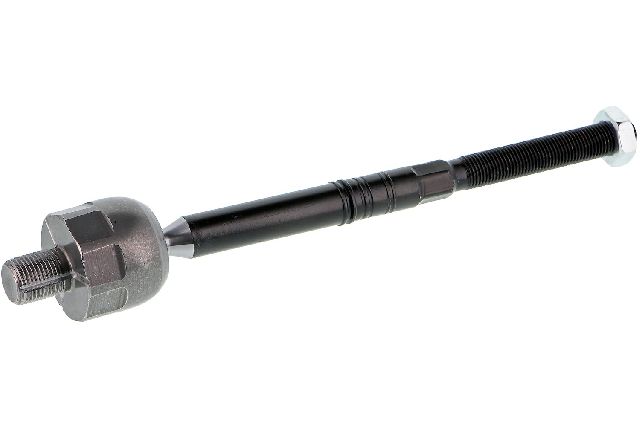
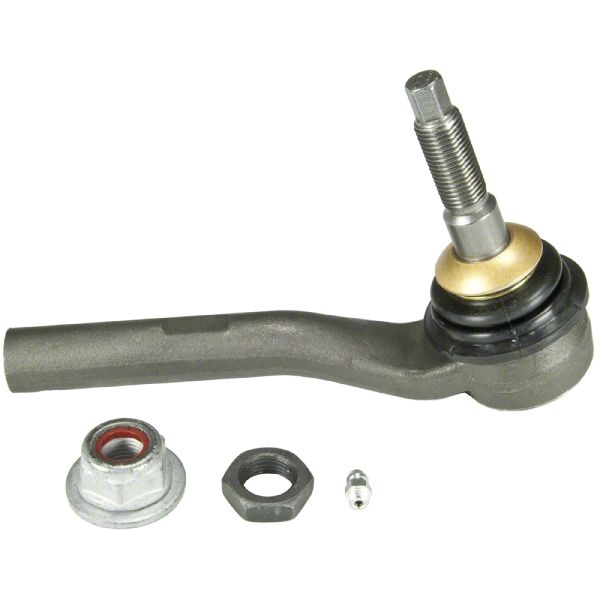
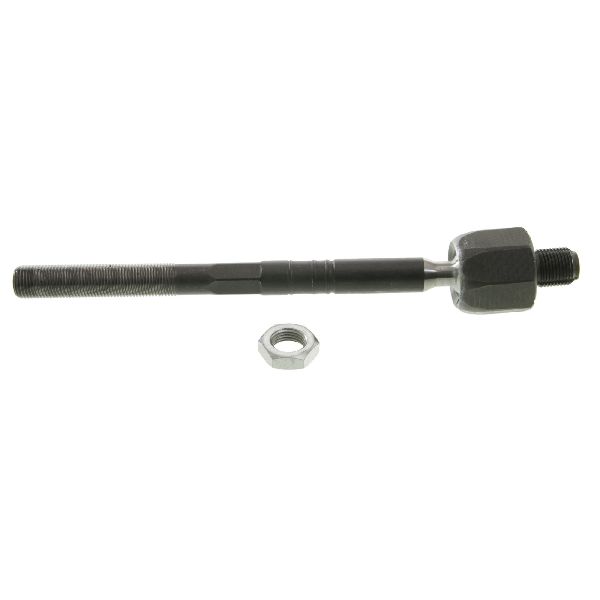
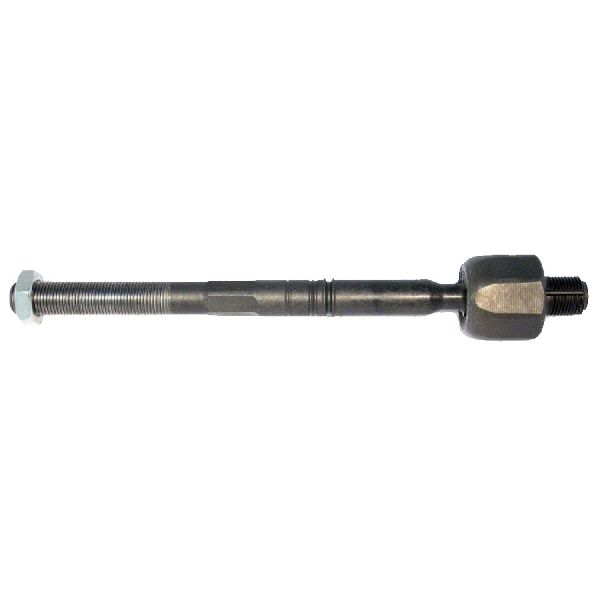
OEM Part Numbers: 32106777479 (E60 Assembly) 32106784796 (F10 Outer)
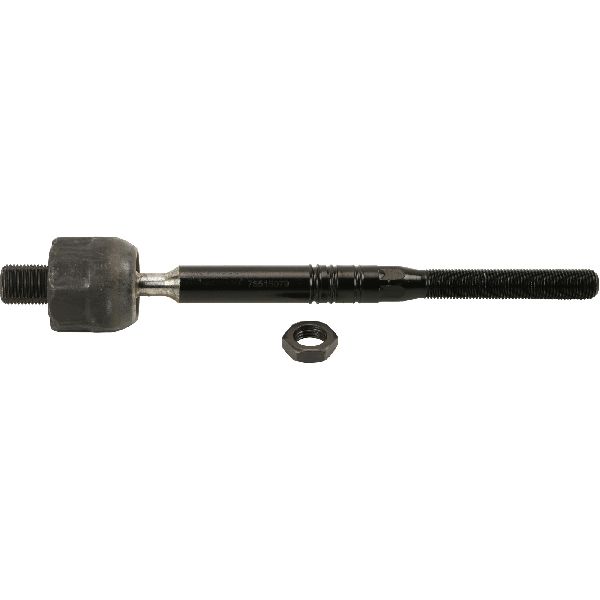
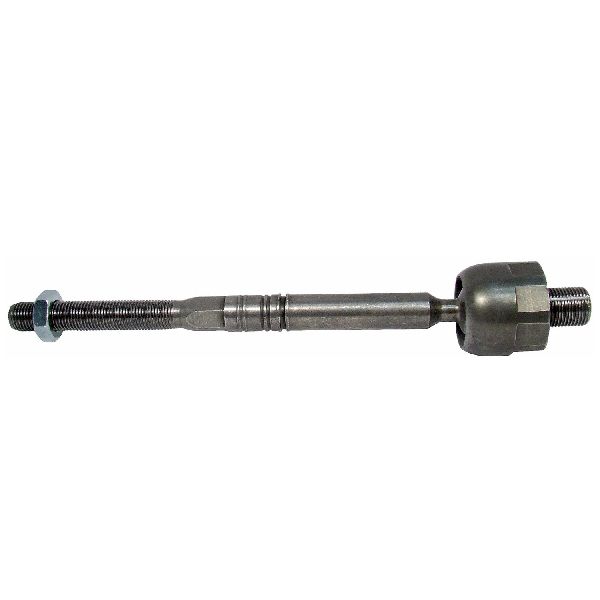
Connects steering rack to steering knuckle. Consists of an inner and outer ball joint. Replacement requires a wheel alignment.
We Have This Part in Stock

The information in this article is provided for general reference and educational purposes only. Vehicle specifications, procedures, and part compatibility can vary by production date, trim level, and region. Always consult your vehicle's factory service manual and verify part numbers before purchasing or performing repairs. Safety-critical components such as airbags, seat belts, and braking systems should be installed by a qualified professional.
- BMW 528i: