

A Ford Edge Owner's Guide to the 2007-2016 Brake Master Cylinder
Is your brake pedal spongy or sinking? Here’s what you need to know before replacing the master cylinder on your Ford Edge.
- A spongy, soft, or sinking brake pedal is the number one symptom of a failing master cylinder on a Ford Edge.
- Check for open recalls; 2015-2016 models had a recall for master cylinders leaking into the booster.
- It is highly recommended to replace the brake booster if the old master cylinder was leaking fluid into it.
- You must bench bleed the new master cylinder before installation to ensure a firm brake pedal and proper function.
Is Your Brake Pedal Telling You Something?

The most common sign of a failing brake master cylinder on a 2007-2016 Ford Edge is a change in your brake pedal feel. If the pedal feels soft, spongy, or slowly sinks to the floor 🎬 See how to diagnose a low brake pedal vs master cylinder. when you hold it down, the internal seals are likely worn out. This allows brake fluid to bypass the pistons instead of building pressure. Other signs include a brake warning light on the dash, dark or contaminated fluid in the reservoir, or the vehicle pulling to one side when you brake.
Known Issues: Recalls and Warranty Extensions
There are significant, known issues for these model years that you should be aware of before buying parts:
- 2015-2016 Models (Recall 20V332): Certain Ford Edge models within this range were recalled because the master cylinder could leak brake fluid internally into the brake booster. This can cause a sudden loss of front braking power, increasing stopping distance. Under this recall, dealers will replace the master cylinder and, if it has leaked, the brake booster for free.
- 2010-2014 Models (Program 13N02): Ford issued a Customer Satisfaction Program that extends the warranty on the brake booster to 10 years or 150,000 miles. 🎬 Watch: Step-by-step guide to replacing the brake booster. A common cause of booster failure is a leaking master cylinder, which contaminates the booster's diaphragm. Symptoms include a hissing sound or a spongy pedal. If your Edge exhibits these symptoms, a dealer may replace the booster under this program.
Pro Tip: Because a leaking master cylinder almost always destroys the brake booster, it is highly recommended to inspect the booster and replace both parts at the same time if there is any sign of a leak.
Choosing the Right Aftermarket Master Cylinder

When shopping for a new master cylinder, you have a choice between OEM (Motorcraft) and various aftermarket brands. While aftermarket parts offer cost savings, quality can vary.
- Tier 1: OEM (Motorcraft)
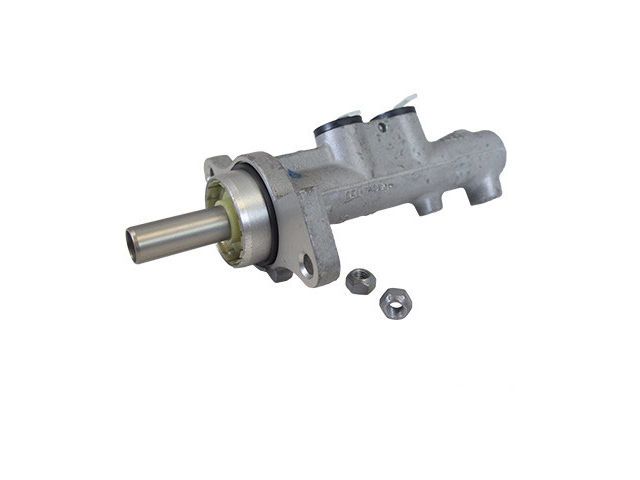
This is the original part your Edge was built with. Motorcraft parts are made to Ford's specific engineering standards and are the safest bet for fit, performance, and long-term reliability. For a critical safety component like a master cylinder, many mechanics and owners recommend sticking with OEM to avoid potential issues. - Tier 2: Premium Aftermarket (Centric, Dynamic Friction)
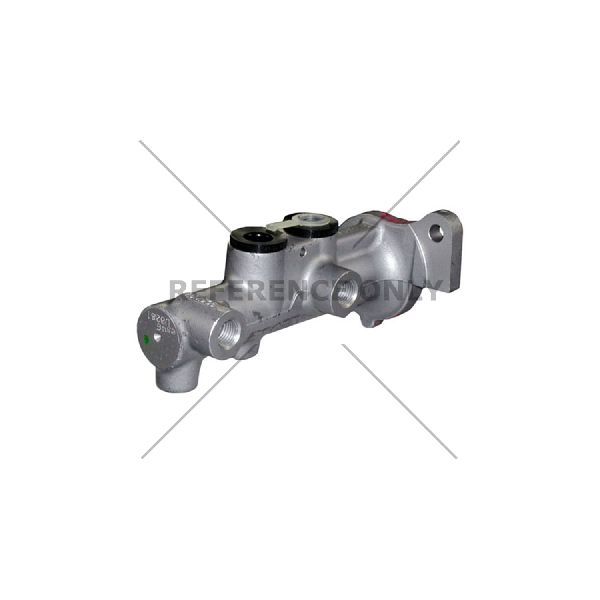
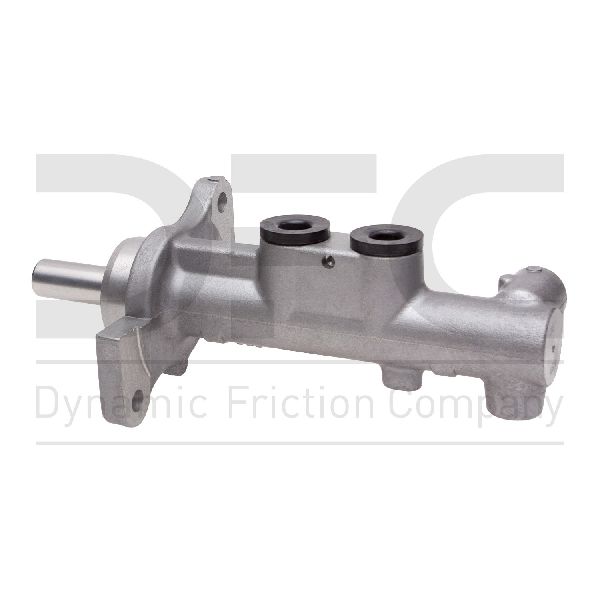
Brands like Centric have a solid reputation in the brake industry. They are engineered to meet or exceed OE specifications and are a reliable alternative to Motorcraft. They provide a good balance of quality and price for daily driving. - Tier 3: Standard Aftermarket (Dorman)
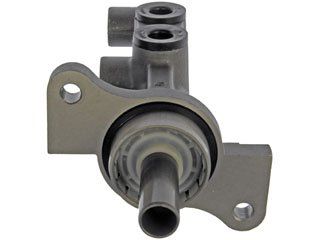
Dorman is a widely available brand known for reverse-engineering OEM parts and sometimes improving on their weaknesses. However, owner feedback suggests that quality can sometimes be inconsistent. They are a budget-friendly option that can be effective, but may not have the same longevity as OEM or premium brands.
Don't Skip This Step: Bench Bleed Your New Part
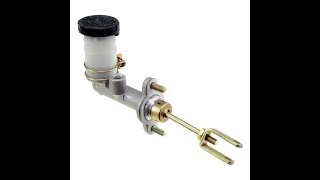
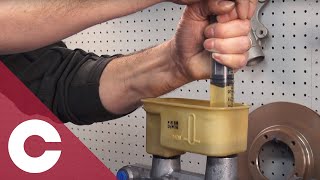
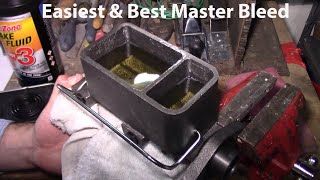
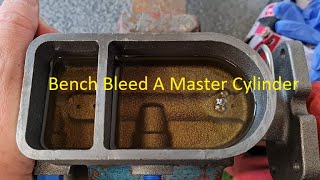
Before installing the new master cylinder, you MUST bench bleed it. This process involves filling the new cylinder with fluid and using a screwdriver or plunger to pump the piston until no more air bubbles come out. 🎬 Watch: The fastest and easiest way to bleed your master cylinder. Skipping this step will introduce a large amount of air into your brake system, resulting in a spongy pedal that is very difficult to bleed out once the part is on the vehicle.
Cost to Replace a Ford Edge Master Cylinder

| Part Type | Estimated Cost |
|---|---|
| New Aftermarket Part | $99 - $157 |
| New OEM (Motorcraft) Part | $150 - $220 |
| Shop Labor | $210 - $310 |
| Total Professional Job | $361 - $485 |
Frequently Asked Questions

Do I have to replace the brake booster with the master cylinder?
It is strongly recommended, especially on these vehicles. A common failure is the master cylinder leaking brake fluid into the booster, which ruins the booster's internal diaphragm. If you replace a leaking master cylinder but not the contaminated booster, the new master cylinder may fail prematurely and you will have to do the job again.
How do I know it's the master cylinder and not a leaking brake hose?
A spongy pedal can also be caused by a ruptured brake hose, which was another recall issue on 2015-2018 Edge models. The best way to tell is to look for the leak. A leaking hose will leave brake fluid near one of the wheels, while a master cylinder leak is typically found at the firewall where it meets the brake booster, or there may be no external leak if the seals are failing internally.
What does it mean to "bench bleed" the master cylinder?
Bench bleeding is the process of removing air from the master cylinder *before* you install it in the vehicle. It involves mounting the cylinder in a vise, filling it with brake fluid, and using tools to push the internal piston until only fluid, not air bubbles, comes out of the ports. This ensures no air is trapped inside the new part, which would cause a spongy pedal.
Is this a difficult job to do myself?
For an experienced DIY mechanic, it is manageable. Access is tight and requires removing the battery, battery tray, and air filter housing. You will need a flare-nut wrench to avoid stripping the brake line fittings and a kit to bench bleed the new part. If you are not comfortable working on brake systems, this job is best left to a professional.
Helpful Videos
Technical Specifications
OEM Part Numbers: BT4Z-2140-A 7T4Z-2140-A F2GZ-2140-A J2GZ-2140-A K2GZ-2140-A G2GZ-2140-E
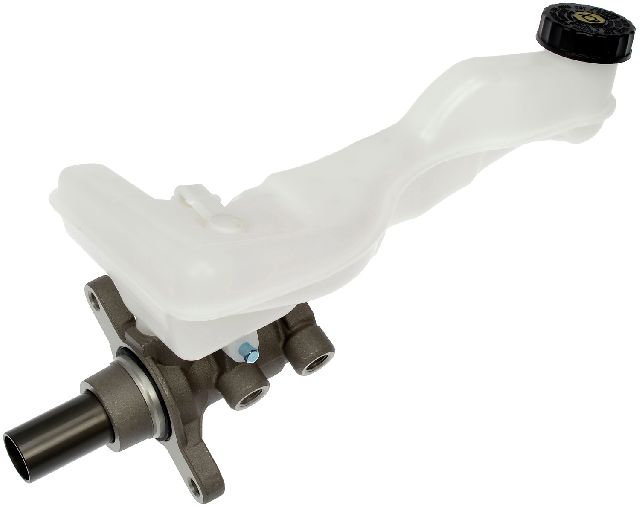
Fits 2007-2016 Ford Edge. Configuration varies by model year and drivetrain (FWD/AWD). Most aftermarket and OEM replacements come with the fluid reservoir attached. Ensure the part matches your specific vehicle year before ordering.
We Have This Part in Stock

The information in this article is provided for general reference and educational purposes only. Vehicle specifications, procedures, and part compatibility can vary by production date, trim level, and region. Always consult your vehicle's factory service manual and verify part numbers before purchasing or performing repairs. Safety-critical components such as airbags, seat belts, and braking systems should be installed by a qualified professional.
- Ford Edge:
- 🎬 Helpful Videos
- 🛍️ Shop This Part
- Is Your Brake Pedal Telling You Something?
- Known Issues: Recalls and Warranty Extensions
- Choosing the Right Aftermarket Master Cylinder
- Don't Skip This Step: Bench Bleed Your New Part
- Cost to Replace a Ford Edge Master Cylinder
- Frequently Asked Questions
- 🎟️ Get 5% Off