

A Complete Guide to the Accessory Drive Belt for the 2007-2016 Honda Civic
Is your Honda Civic making a squealing noise? It might be time for a new accessory drive belt.
- Plan to replace your Civic's accessory belt between 60,000 and 100,000 miles to prevent a breakdown.
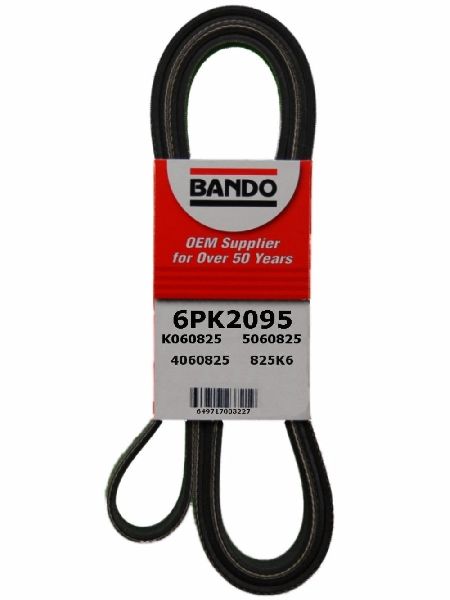
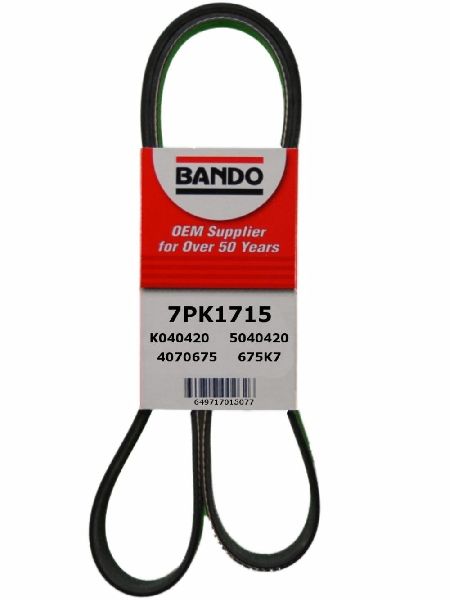
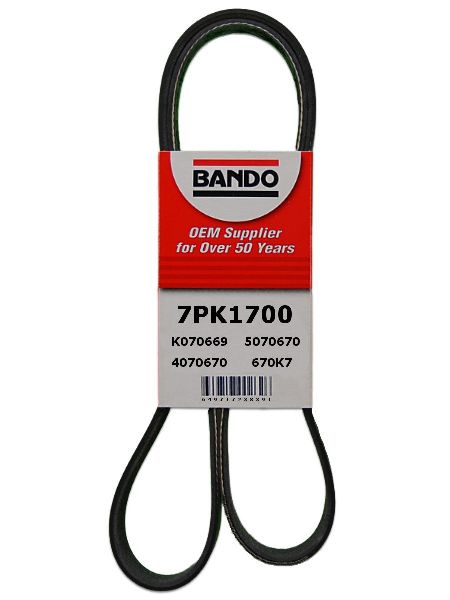
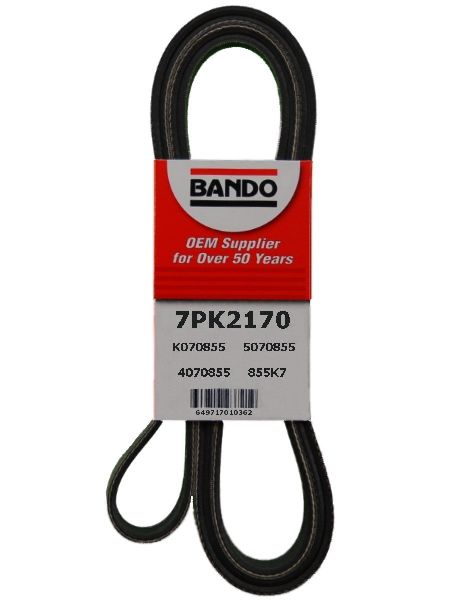
- Brands like Bando and Mitsuboshi are OEM suppliers for Honda, offering dealership quality at an aftermarket price.
- Always inspect the belt tensioner when replacing the belt; a weak tensioner will ruin a new belt quickly.
- Ensure you order the correct part number, as the belt for the 2007-2011 Civic is different from the 2012-2016 models.
Is Your Accessory Drive Belt Failing?
A worn-out accessory drive belt will almost always give you a warning sign before it fails completely. Being able to recognize these signs can save you from being stranded. A complete belt failure will cause your Civic to stop running very quickly as the battery dies and the engine overheats.
Common Symptoms of a Bad Belt:
🎬 Watch: See and hear common symptoms of a bad belt- Squealing or Chirping Noises: This is the most common sign. You'll hear a high-pitched squeal from the engine bay, especially when you first start the car or turn on the A/C. This noise means the belt is slipping on one of the pulleys.
- Visible Damage: Pop the hood and look at the belt. If you see cracks, frayed edges, missing ribs, or a shiny, glazed surface, the belt is worn and needs to be replaced.
- A/C or Power Steering Issues: If your air conditioning isn't blowing cold air, it could be because the belt is slipping on the A/C compressor pulley.
- Battery Warning Light: A slipping or broken belt can't turn the alternator properly, which means your battery isn't being charged. This will trigger the battery warning light on your dashboard.
- Engine Overheating: The belt drives the water pump. If the belt breaks, coolant will stop circulating, and the engine will overheat very quickly. If you see the temperature gauge rising rapidly, pull over immediately.
Choosing the Right Aftermarket Belt for Your Civic
For the 2007-2016 Honda Civic, you have several excellent aftermarket belt options. The quality difference between the original factory belt and a high-quality aftermarket one is often minimal, especially since some aftermarket brands are the original equipment manufacturers (OEM).
Pro Tip: The belt tensioner is a critical part that keeps the belt tight. A weak or failing tensioner is a common cause of belt noise and premature failure. It is highly recommended to inspect the tensioner and consider replacing it at the same time as the belt, especially if your Civic has over 100,000 miles.
Brand Quality Tiers
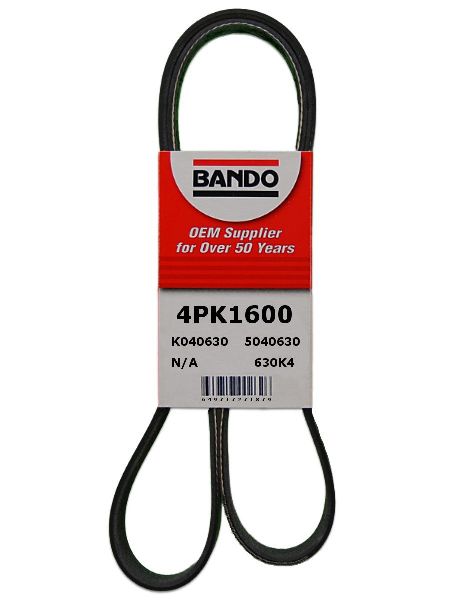
- OEM-Equivalent Brands (Bando, Mitsuboshi): Honda has used both Bando and Mitsuboshi as original equipment suppliers for the Civic. Choosing one of these brands is the closest you can get to buying a genuine Honda part without the dealership price tag. They are an excellent choice for quality and fit.
- Premium Aftermarket (ACDelco): ACDelco is a well-regarded brand that produces high-quality parts for many vehicles, including Honda. Their belts are made with modern EPDM rubber compounds that resist cracking and heat, ensuring a long service life. They are a reliable choice and a smart alternative to OE parts.
Common Ordering Mistakes
The 2007-2016 Civic spans two different generations (8th and 9th), which use different accessory belts. Always confirm your vehicle's year and engine size (most are 1.8L) before ordering. Using the wrong belt will not work.
- 2007-2011 Honda Civic (1.8L): 🎬 Watch: Step-by-step belt and tensioner replacement for 2007-2011 models Look for OEM part numbers like 56992-RNA-A01, 56992-RNA-A03, or 04301-RNA-307.
- 2012-2016 Honda Civic (1.8L): 🎬 Watch: How to install a new belt kit on 2012-2015 Civics Look for OEM part numbers like 31110-R1A-A01 or 31110-R1A-A21.
Accessory Drive Belt Replacement Cost
Replacing the accessory drive belt is a common maintenance item. The part itself is not expensive, and the labor is straightforward for a mechanic.
| Part/Service | Estimated Cost |
|---|---|
| New Aftermarket Belt | $21 - $58 |
| New OEM Belt | $45 - $70 |
| Shop Labor | $60 - $120 |
| Total Professional Replacement | $140 - $184 |
Frequently Asked Questions (FAQ)
How often should I replace my Civic's accessory drive belt?
Most manufacturers, including Honda, recommend inspecting the belt regularly and replacing it every 60,000 to 100,000 miles, or about every 5 to 7 years. If you live in a harsh climate with extreme heat or cold, the belt may wear out sooner.
Can I replace the accessory drive belt myself?
Yes, this is a DIY-friendly job for someone with basic mechanical skills and the right tools. You will need a specific 19mm serpentine belt tool or a long wrench to release the tensioner, which is accessible from the passenger side wheel well. There are many video guides available online for this specific repair.
What is a belt tensioner and do I need to replace it?
The tensioner is a spring-loaded or hydraulic pulley that keeps the belt tight. If the tensioner is weak, the new belt will still slip and squeal. It's a good idea to replace the tensioner and belt as a set, especially on higher-mileage vehicles, to prevent having to do the job twice.
Is a serpentine belt the same as a timing belt?
No, they are different. The serpentine belt runs accessories on the outside of the engine. The 1.8L engine in the 2007-2016 Civic uses a timing chain, not a timing belt, which is located inside the engine and does not have a regular replacement interval.
Helpful Videos

Technical Specifications
OEM Part Numbers: 56992-RNA-A01 56992-RNA-A03 04301-RNA-307 31110-R1A-A01 31110-R1A-A21
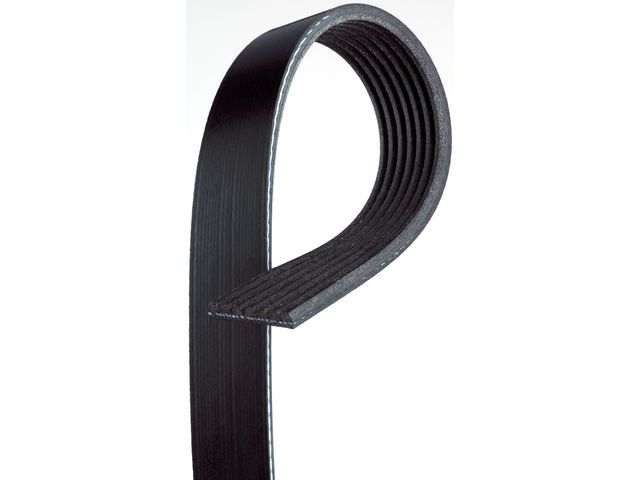
This is a multi-ribbed (or poly-v) serpentine belt made of EPDM rubber. The correct length and rib count varies between the 8th generation (2007-2011) and 9th generation (2012-2016) Civics.
We Have This Part in Stock

The information in this article is provided for general reference and educational purposes only. Vehicle specifications, procedures, and part compatibility can vary by production date, trim level, and region. Always consult your vehicle's factory service manual and verify part numbers before purchasing or performing repairs. Safety-critical components such as airbags, seat belts, and braking systems should be installed by a qualified professional.
- Honda Civic: