

A Honda Mechanic's Guide to the 2007-2016 Civic Catalytic Converter
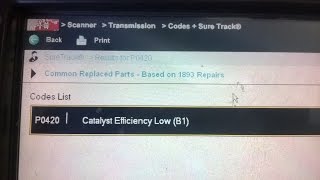
Is your check engine light on with a P0420 code? Here’s what you need to know before replacing your catalytic converter.
- Always diagnose a P0420 code properly before buying parts; it could be a cheaper fix like an O2 sensor or exhaust leak.
- Avoid the cheapest aftermarket converters, as they often fail to keep the check engine light off on a sensitive Honda system.
- You must buy a converter that is legal for your state (EPA Federal vs. CARB for CA, CO, NY, ME).
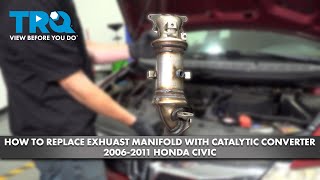
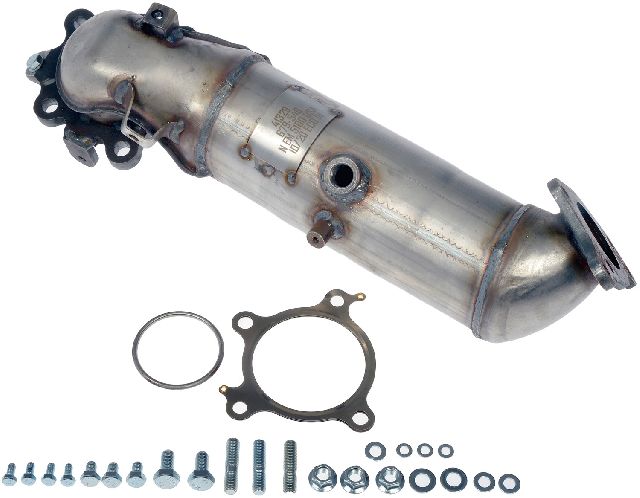
- The converter on a 2007-2016 Civic is part of the exhaust manifold, sold as a single direct-fit unit.
Is Your Civic's Catalytic Converter Really Bad?

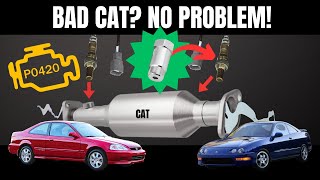
The most common reason Civic owners think their catalytic converter has failed is the check engine light with a P0420 code, which means "Catalyst System Efficiency Below Threshold." While this can mean the converter is worn out, it's not the only cause. Hondas have sensitive diagnostic systems. Before you spend money on a new converter, make sure a mechanic has ruled out these other common issues:
- Failing Oxygen Sensors: Your Civic has an oxygen sensor before and after the catalytic converter. If one of these sensors is old or faulty, it can send bad information to the car's computer and trigger a false P0420 code.
- Exhaust Leaks: A small crack or a bad gasket in the exhaust manifold or pipe can let oxygen into the system. This can fool the sensors and lead to a P0420 code.
- Engine Problems: If your engine is burning oil or running too rich (too much fuel), it can send unburned fuel and contaminants into the exhaust. These will coat the inside of the catalytic converter, ruining it over time. A new converter will quickly fail if you don't fix the root engine problem first.
Diagnose Before You Buy
Nearly 30% of P0420 codes are misdiagnosed. Replacing the catalytic converter without checking for other issues often results in the check engine light coming back on, even with a new part. Always confirm the converter is the true cause of failure.
Choosing the Right Aftermarket Converter for Your Civic

Once you've confirmed the converter needs replacement, you'll find that a new OEM part from Honda is extremely expensive. Aftermarket parts offer a more affordable solution, but quality varies greatly. For a sensitive Honda system, choosing the right one is critical to keeping the check engine light off.
Brand Quality Tiers
Not all aftermarket brands are created equal. Here’s an honest breakdown based on mechanic and owner experiences:
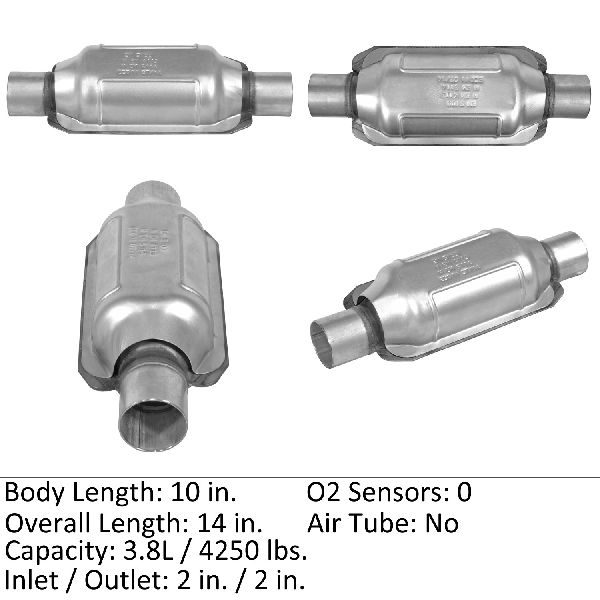
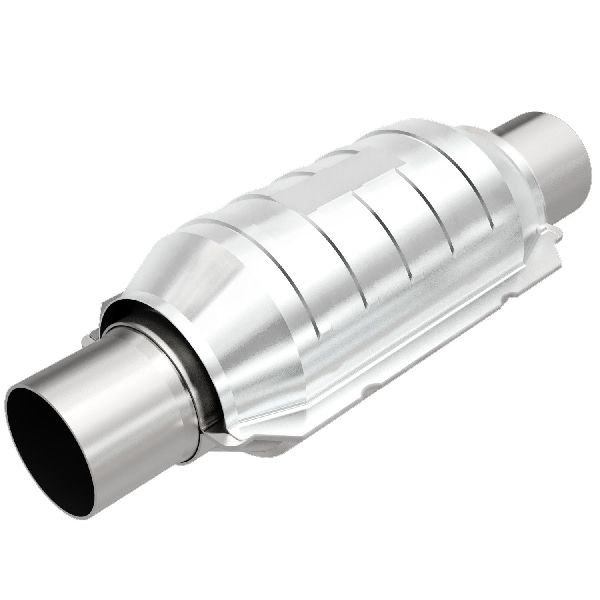
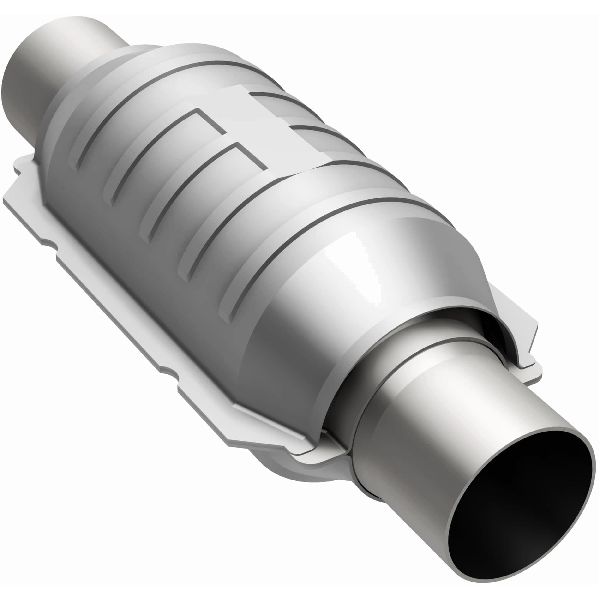
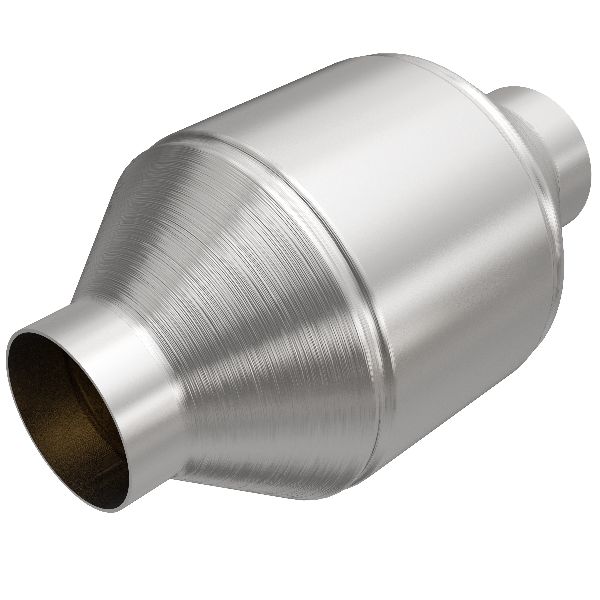
- Premium / High-Quality Aftermarket (MagnaFlow, Walker): These brands are widely trusted by mechanics. They invest more in the precious metals needed for the chemical reaction to work properly. A converter from MagnaFlow or Walker is your best bet to satisfy your Civic's computer and pass emissions tests long-term.
- Standard Aftermarket (Eastern Catalytic, AP Exhaust): These brands can be a good middle-ground, often meeting OEM specifications. They are generally considered reliable replacements for a daily driver.
- Economy Aftermarket (Dorman, Davico, Evan Fischer): While tempting due to their low price, these brands are a gamble for a Honda. Many owners report that cheap converters lack enough catalytic material and cause the P0420 code to return within a few months. They might get you through a single emissions test, but often don't last.
EPA vs. CARB: A Critical Choice
You must buy a converter that is legal in your state. Converters are either EPA (Federal) or CARB (California Air Resources Board) compliant. If you live in California, Colorado, New York, or Maine, you MUST install a CARB-compliant converter. These are more expensive because they are built to a higher standard with more precious metals. Installing a non-CARB part in these states is illegal and will fail inspection.
What to Expect for Replacement Costs

For the 2007-2016 Civic, the catalytic converter is part of the exhaust manifold, which is a single bolt-on unit. This makes the job straightforward for a mechanic.
🎬 See this walkthrough for replacing the exhaust manifold converter assembly.| Part / Service | Estimated Cost |
|---|---|
| New Aftermarket Converter (Part Only) | $148.68 - $887.35 |
| New OEM Converter (Part Only) | $2,300 - $3,100+ |
| Shop Labor | $180 - $400 |
| Total Aftermarket Replacement | $330 - $1,290 |
Frequently Asked Questions

Why are OEM Honda converters so expensive?
OEM converters contain a very high load of precious metals (platinum, palladium, rhodium) to ensure they work efficiently for a long time and meet strict emissions standards. These metals are extremely expensive, which drives up the cost of the part. This high metal content is also why OEM converters are a primary target for theft.
Will a cheap aftermarket converter keep my check engine light off?
Often, no. Honda's engine computers are very sensitive and can detect even a small drop in converter efficiency. Cheaper converters often use the minimum amount of precious metals required, which isn't enough for the Honda system, causing the P0420 code to return.
Can I just clean my catalytic converter?
While some fuel additives claim to clean converters, they cannot fix a converter that is melted, physically damaged, or has a depleted catalyst coating. If the converter is simply clogged from a rich-running engine, fixing the engine issue is the priority. In most failure cases, replacement is the only real solution.
What are the known issues, recalls, or TSBs for my Civic's converter?
There are no widespread recalls or Technical Service Bulletins (TSBs) from Honda for catalytic converter failure on the 2007-2016 Civic. The most common issue remains the P0420 code, which requires careful diagnosis. 🎬 Watch this video for a deep dive into the P0420 code. Some 2006-2007 Civic Hybrids were recalled for a faulty voltage converter, but this is unrelated to the catalytic converter itself.
Helpful Videos
Technical Specifications
OEM Part Numbers: 18160-RNA-A00 18160-R1A-A00
Direct-fit catalytic converter integrated with exhaust manifold. Requires front and rear gaskets for installation.
We Have This Part in Stock

The information in this article is provided for general reference and educational purposes only. Vehicle specifications, procedures, and part compatibility can vary by production date, trim level, and region. Always consult your vehicle's factory service manual and verify part numbers before purchasing or performing repairs. Safety-critical components such as airbags, seat belts, and braking systems should be installed by a qualified professional.
- Honda Civic: