

Engine Coolant Thermostat Guide for the 2007-2016 Honda Civic
Is your Civic's temperature gauge acting up or is the heater blowing cold? It might be time for a new thermostat.
- A failing thermostat can cause overheating (stuck closed) or poor performance and a P0128 code (stuck open).
- If your Civic is overheating, pull over immediately to prevent engine damage.
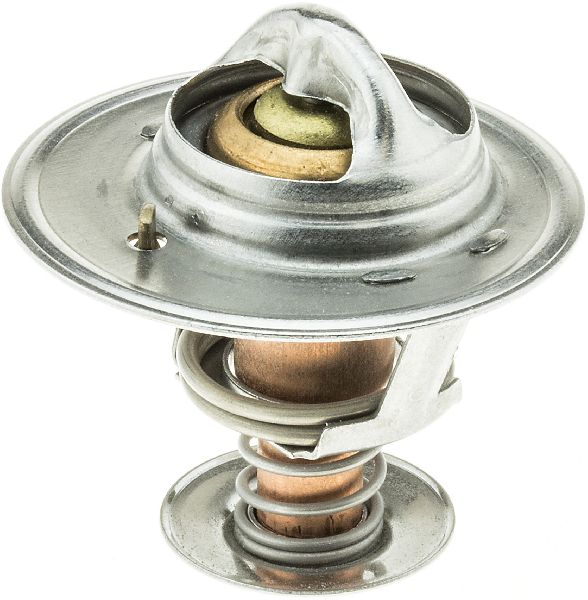
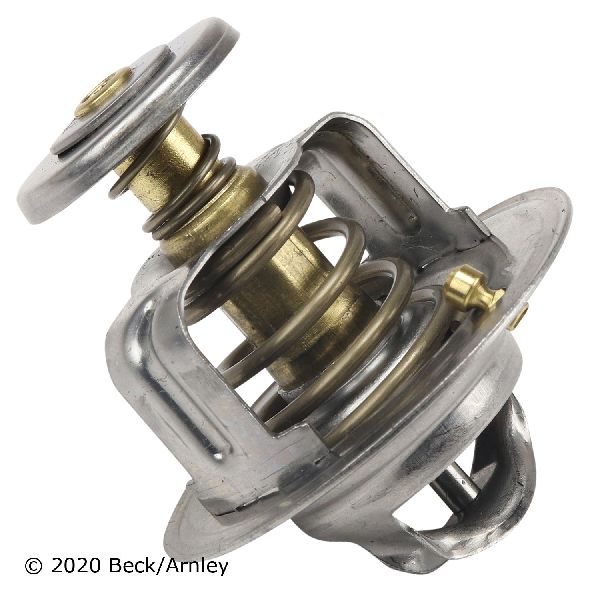
- For a daily driver, stick with an OEM-spec temperature thermostat. High-quality aftermarket brands like Aisin, Beck Arnley, and Gates are reliable choices.
- Replacing the thermostat is a feasible DIY job for many owners and can save significant money on labor costs.
Is Your Civic's Thermostat Failing?

A thermostat is a simple part, but when it fails, it can cause noticeable problems. It can fail in two ways: stuck open or stuck closed. If it's stuck closed, your engine can't get the coolant it needs to stay cool, leading to overheating. This is a serious problem that can cause major engine damage if not addressed immediately. If it's stuck open, your engine will take a very long time to warm up, or may never reach the proper temperature at all. This leads to poor fuel economy, reduced heater performance, and can trigger the Check Engine Light.
Common Symptoms of a Bad Thermostat

- Overheating: The temperature gauge climbs into the red. This is the most critical symptom.
- Engine Slow to Warm Up: The temperature gauge stays on cold for an unusually long time.
- Temperature Gauge Fluctuates: The needle moves back and forth between cool and normal operating temperature.
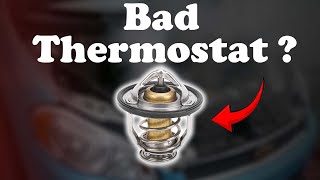
- Poor Heater Performance: The air blowing from your vents isn't as warm as it used to be, especially on cold days. 🎬 Watch: Top symptoms of a bad thermostat you shouldn't ignore.
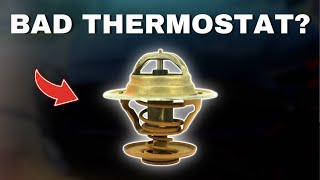
- Check Engine Light: A thermostat stuck open will often trigger the code P0128. 🎬 See this DIY guide for replacing your thermostat and fixing code P0128.
- Coolant Leaks: You might see coolant leaking from around the thermostat housing, which is located where the lower radiator hose connects to the engine.
Overheating is an Emergency
If your Civic's temperature gauge is in the red, pull over immediately and turn off the engine to prevent catastrophic damage. Do not continue driving.
Choosing the Right Aftermarket Thermostat

For the 2007-2016 Civic, the original equipment (OEM) thermostat is a reliable choice, but several high-quality aftermarket options are available that can offer the same performance, often at a better price. When choosing, it's crucial to select one with the correct temperature rating specified for your car.
| Brand Tier | Brands | Our Take |
|---|---|---|
| OEM-Equivalent / Recommended | Aisin, Beck Arnley, Gates | These brands are well-regarded for their quality and reliability. Aisin is a known OEM supplier for many Japanese vehicles. Beck Arnley often sources parts from the original manufacturers. Gates is a trusted name in cooling system components. You can be confident installing these parts. |
| Standard Aftermarket | Calorstat, Facet, Motorad | Motorad is a widely available brand that offers features like a "fail-safe" design meant to lock open when it fails, preventing overheating. However, owner experiences with Motorad can be mixed, with some reporting premature failure. Calorstat is another established brand in this space. |
| Performance / Specialty | Mishimoto | Mishimoto offers "racing" thermostats that open at a lower temperature than the stock unit. These are intended for heavily modified or track-driven cars to increase cooling efficiency. For a daily-driven Civic with a stock engine, a lower-temperature thermostat is unnecessary and can actually hurt performance and fuel economy by preventing the engine from reaching its optimal operating temperature. |
Pro Tip: Replace the Gasket
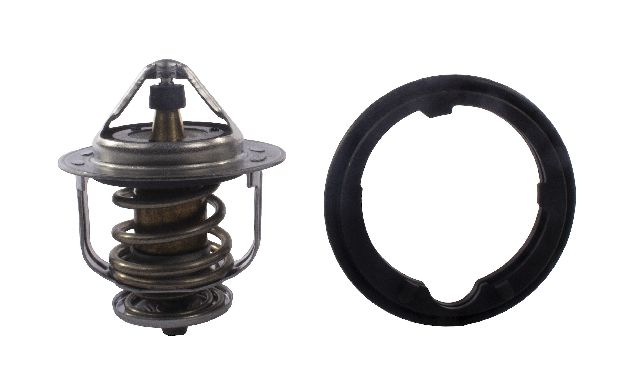
Always replace the thermostat gasket or O-ring when you replace the thermostat. It's a cheap part that is critical for preventing leaks. Many thermostats come in a kit with the gasket included.
Known Issues, Recalls, or TSBs
For the 2007-2016 model years, there are no specific recalls or widespread Technical Service Bulletins (TSBs) from Honda related to the engine coolant thermostat itself. However, a recall was issued for some 2016 Civic models with the 2.0L engine for an issue with piston assemblies that could cause the engine to seize, which is an unrelated problem.
Frequently Asked Questions (FAQ)

How much does it cost to replace a Honda Civic thermostat?
The part itself is inexpensive, typically ranging from $15 to over $90 for a high-performance or complete housing assembly. If you have a shop do the work, you can expect to pay between $150 and $500, including parts and labor. Labor costs vary, but the job usually takes about 1 to 2 hours.
Can I replace the thermostat myself?
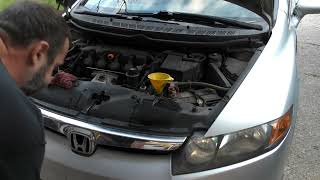
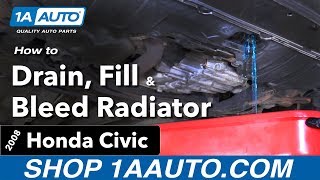
Yes, for many DIYers, this is a very manageable job. It involves draining some coolant, removing two bolts on the thermostat housing, swapping the part, and then refilling and bleeding the air from the cooling system. 🎬 Watch: How to properly drain, fill, and bleed your Civic's radiator. You'll need basic hand tools, a drain pan, and a funnel. The difficulty is low to moderate.
What is a P0128 code?
P0128 is a diagnostic trouble code that means the engine's coolant temperature is below the regulating temperature. In simple terms, the car's computer has noticed that the engine isn't warming up as quickly as it should. The most common cause for this code on a Honda Civic is a thermostat that is stuck open.
Should I use an OEM Honda thermostat or is aftermarket okay?
While OEM is always a safe bet, high-quality aftermarket brands like Aisin, Beck Arnley, or Gates are considered reliable alternatives by many mechanics and owners. They can provide the same performance as the original part for a lower price. Avoid low-quality, unbranded parts, as a failed thermostat can have serious consequences.
What coolant should I use for my 2007-2016 Civic?
It is critical to use the correct coolant. Honda specifies its Type 2 Antifreeze/Coolant, which is a blue-colored, pre-mixed 50/50 solution. Using the wrong type of coolant can cause corrosion and damage to the cooling system components.
Helpful Videos
Technical Specifications
OEM Part Numbers: 19301-RNA-315 19301-RNA-306 19320-RNA-A00 19320-RAA-A02
Standard opening temperature is approximately 170°F-172°F (78°C). The thermostat is located in a housing on the engine block where the lower radiator hose connects.
We Have This Part in Stock


The information in this article is provided for general reference and educational purposes only. Vehicle specifications, procedures, and part compatibility can vary by production date, trim level, and region. Always consult your vehicle's factory service manual and verify part numbers before purchasing or performing repairs. Safety-critical components such as airbags, seat belts, and braking systems should be installed by a qualified professional.
- Honda Civic: