

Honda Civic Oxygen Sensor Guide for 2007-2016 Models
Everything you need to know before replacing an oxygen sensor on your 2007-2016 Honda Civic.
- For reliability, choose an aftermarket sensor from an OEM brand like Denso or NGK (NTK).
- Your Civic has two different sensors (upstream and downstream); ensure you order the correct one for the fault code.
- A P0420 code does not always mean the O2 sensor is bad; it often points to a failing catalytic converter or an exhaust leak.
- On 2006-2011 models, inspect the exhaust manifold for cracks, as this is a known issue that can trigger O2 sensor codes.
Understanding Oxygen Sensor Failure in Your Civic

When an oxygen sensor in your 2007-2016 Honda Civic starts to fail, it can cause noticeable problems. The most common sign is the check engine light turning on. You might also see a drop in your gas mileage or feel like your engine is running rough or hesitating. Over time, a bad sensor can even damage your expensive catalytic converter. These sensors wear out from heat and contamination, and typically need to be checked or replaced between 60,000 and 100,000 miles.
A Note on P0420 Trouble Code
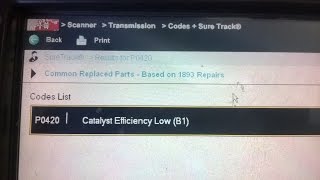
If your check engine light is on and you get a P0420 code, do not automatically assume the oxygen sensor is the problem. This code means "Catalyst System Efficiency Below Threshold." While a bad downstream (Sensor 2) O2 sensor can cause this, it often indicates a failing catalytic converter or an exhaust leak. Many owners have replaced their O2 sensor only to have the P0420 code return because the real issue was the catalytic converter itself. 🎬 Watch this guide to diagnose if it's the sensor or converter. Always diagnose the problem thoroughly before buying parts.
Upstream vs. Downstream Sensors

Your Civic has two main oxygen sensors, and they do different jobs. It is critical to order the correct one for your repair.
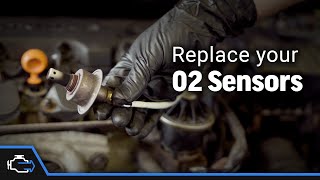
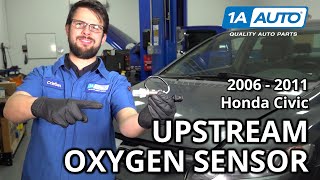
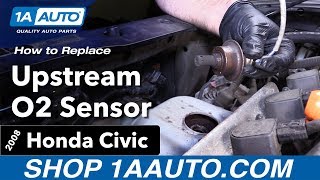
- Upstream Sensor (Sensor 1 / Air/Fuel Ratio Sensor): This sensor is located on the exhaust manifold, before the catalytic converter. It is the most important sensor for engine performance, as it directly controls the air-to-fuel ratio. A failure here will immediately impact fuel economy and engine smoothness.
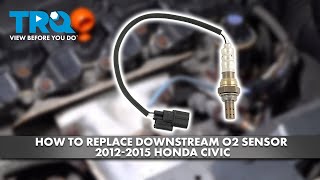
- Downstream Sensor (Sensor 2 / Oxygen Sensor): This sensor is located after the catalytic converter. Its only job is to monitor the converter's efficiency by comparing its reading to the upstream sensor. A failure here will trigger a check engine light but usually won't cause immediate drivability issues. 🎬 See how to replace the downstream sensor on 2012-2015 models.
Choosing the Right Aftermarket Oxygen Sensor

When it comes to sensors for your Honda, brand choice matters. Using a low-quality, unproven brand can lead to incorrect readings, persistent check engine lights, and poor performance.
| Brand Tier | Brands | Assessment |
|---|---|---|
| OEM-Equivalent | Denso, NGK (NTK) | Denso and NGK are the original equipment manufacturers for Honda. Choosing one of these brands is the safest bet and the most recommended option in owner forums. They provide the same quality and performance as the dealer part without the high price tag. |
| Reputable Aftermarket | Bosch, Delphi | Bosch is a well-known brand that invented the modern O2 sensor. While generally reliable, some Honda owners report mixed results, with some experiencing issues while others have no problems. They are a decent alternative if an OEM brand is not available. |
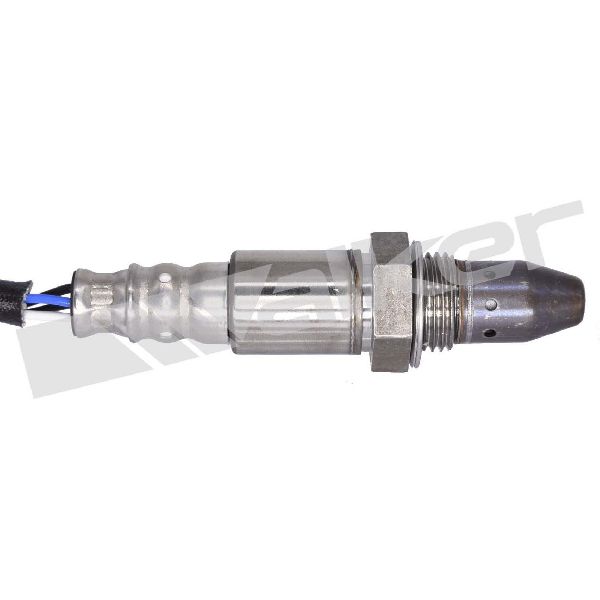
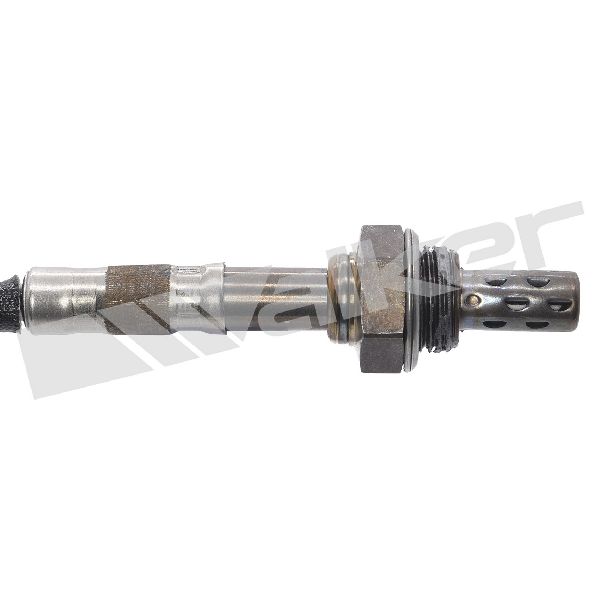
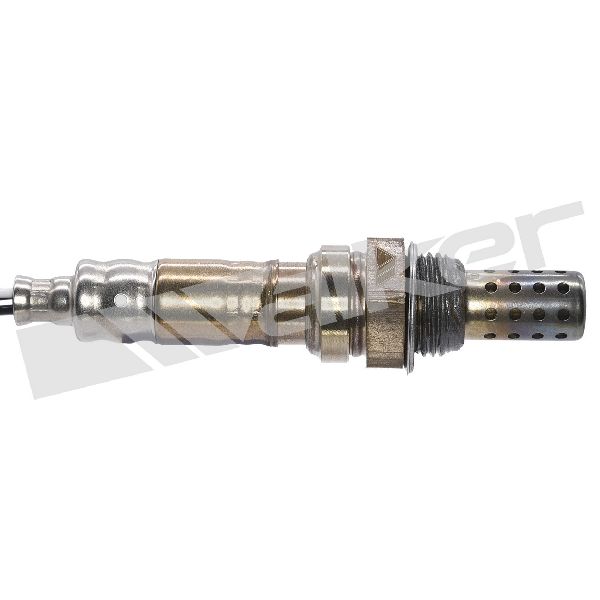
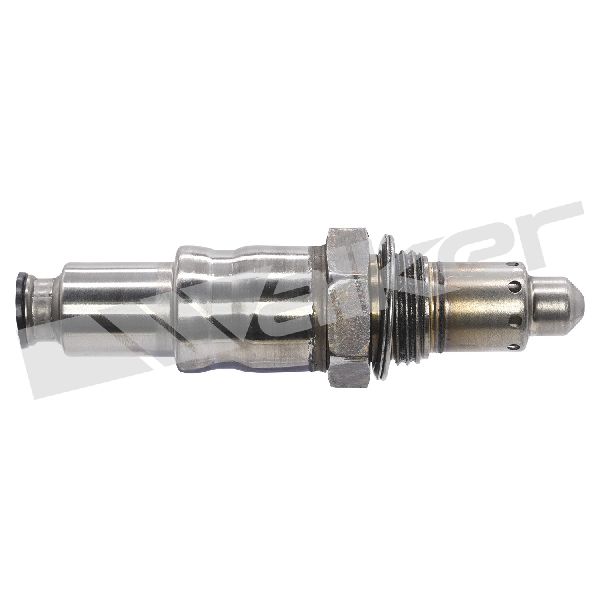
| Economy | Walker Products, Spectra, DriveWire | These brands offer a budget-friendly option. However, their lifespan and accuracy may not match OEM-equivalent brands. Some Walker sensors may be rebranded Denso parts, but this is not guaranteed. Use these with caution, as a cheap sensor that fails early or provides incorrect data can cost more in the long run. |
Check for a Cracked Exhaust Manifold
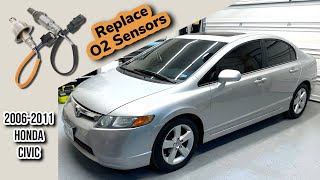
The 8th generation Civic (2006-2011) is known to have issues with cracked exhaust manifolds. A crack in the manifold can cause a ticking noise when the engine is cold and can also trigger oxygen sensor or catalytic converter fault codes. Before replacing any sensors, it's wise to inspect the exhaust manifold for cracks, as this could be the root cause of your problem.
🎬 Watch this video to see how to repair a cracked manifold.Frequently Asked Questions (FAQ)

How many oxygen sensors does a 2007-2016 Civic have?
Most 2007-2016 Honda Civics with the 1.8L engine have two sensors: one upstream (Sensor 1, an air/fuel ratio sensor) and one downstream (Sensor 2, an oxygen sensor). Always confirm the exact number for your specific model and engine.
Can I replace just one oxygen sensor?
Yes. You only need to replace the sensor that has failed. The diagnostic trouble code (DTC) from a code reader will tell you which sensor is having a problem (e.g., Bank 1 Sensor 1 or Bank 1 Sensor 2).
Do I need a special tool for replacement?
Yes, an oxygen sensor socket is highly recommended. This special socket has a slot for the sensor's wire to pass through, allowing you to use a ratchet to remove and install it without damaging the wiring. Soaking the old sensor with penetrating oil before removal can also help, as they are often seized in the exhaust.
Will a new oxygen sensor fix poor gas mileage?
If your poor gas mileage is caused by a failing upstream (Sensor 1) air/fuel ratio sensor, then yes, a replacement will restore proper fuel economy. However, if the downstream (Sensor 2) sensor has failed, replacing it will likely not affect your gas mileage, as its job is only to monitor the catalytic converter.
Is it better to buy a direct-fit or universal sensor?
Always choose a direct-fit sensor. Universal sensors require you to cut your old connector and splice it onto the new sensor. This introduces a potential point of failure. Direct-fit sensors from brands like Denso or NGK come with the correct connector and wire length, making installation much easier and more reliable.
Helpful Videos

Technical Specifications
OEM Part Numbers: 36531-RNA-A01 36532-RNA-A01
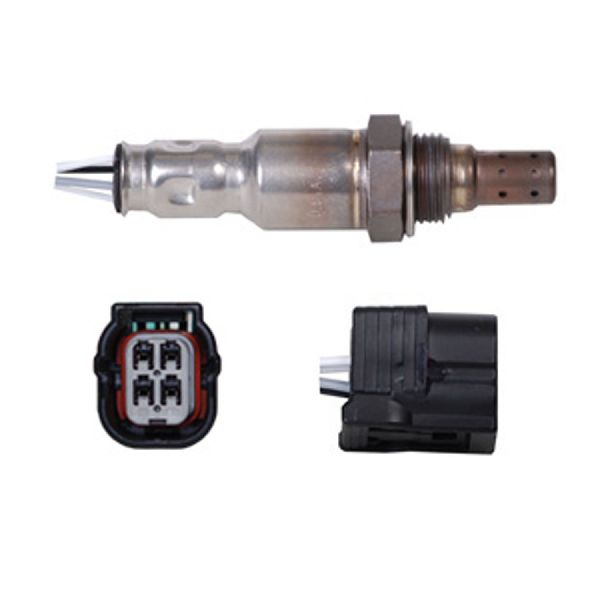
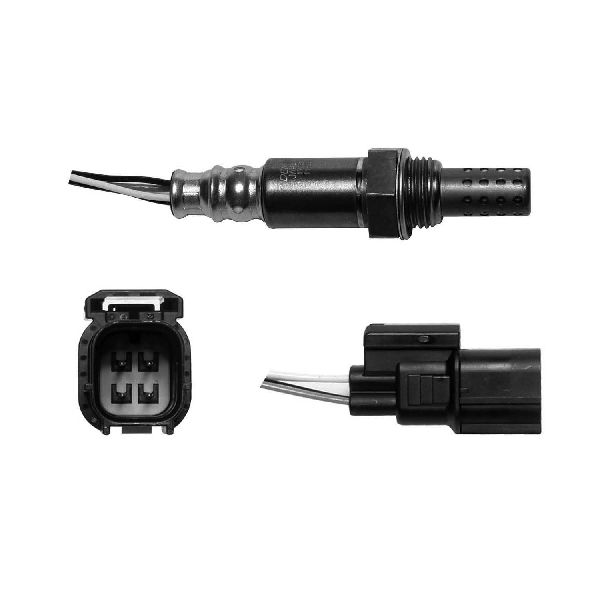
Most 2007-2016 Civics use a wideband Air/Fuel Ratio Sensor for the upstream (Sensor 1) position and a standard narrowband Oxygen Sensor for the downstream (Sensor 2) position. Both are heated, 4-wire sensors. Always verify the part number with your vehicle's specific year, engine, and emissions type (California or Federal).
We Have This Part in Stock

The information in this article is provided for general reference and educational purposes only. Vehicle specifications, procedures, and part compatibility can vary by production date, trim level, and region. Always consult your vehicle's factory service manual and verify part numbers before purchasing or performing repairs. Safety-critical components such as airbags, seat belts, and braking systems should be installed by a qualified professional.
- Honda Civic: