

Honda Civic (2007-2016) Suspension Strut Replacement Guide
Everything you need to know about replacing the struts on your 8th or 9th generation Honda Civic.
- For a factory ride, KYB is a highly recommended OEM-equivalent brand for the Civic.
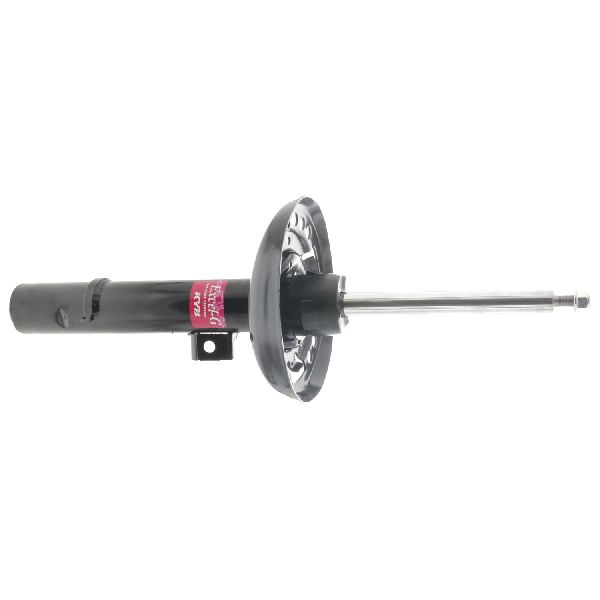
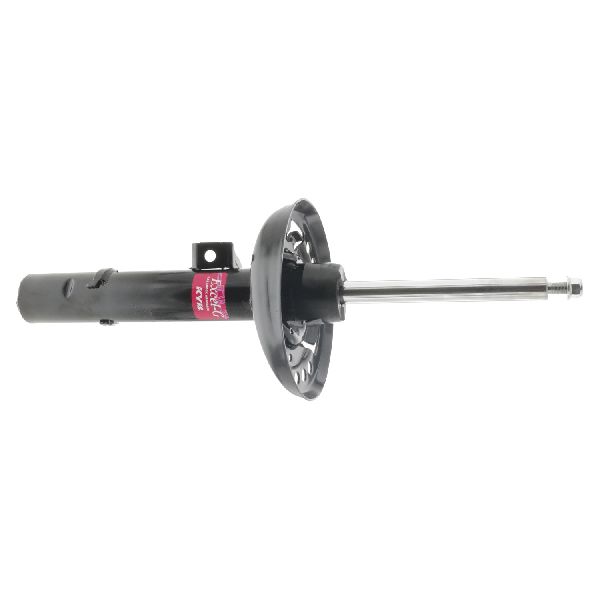
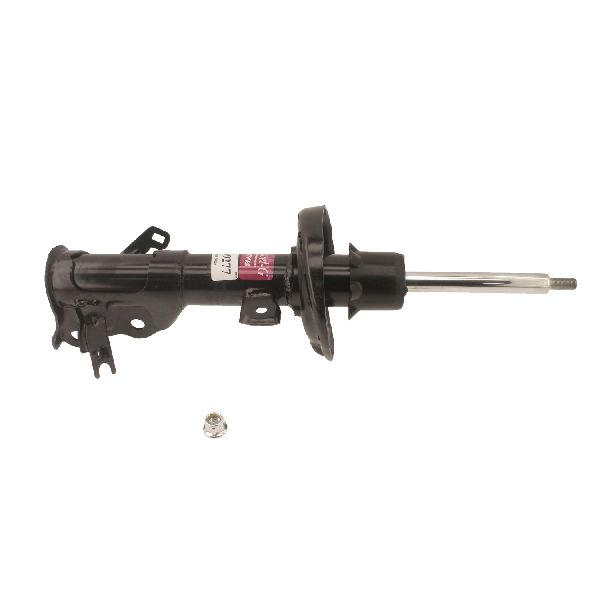
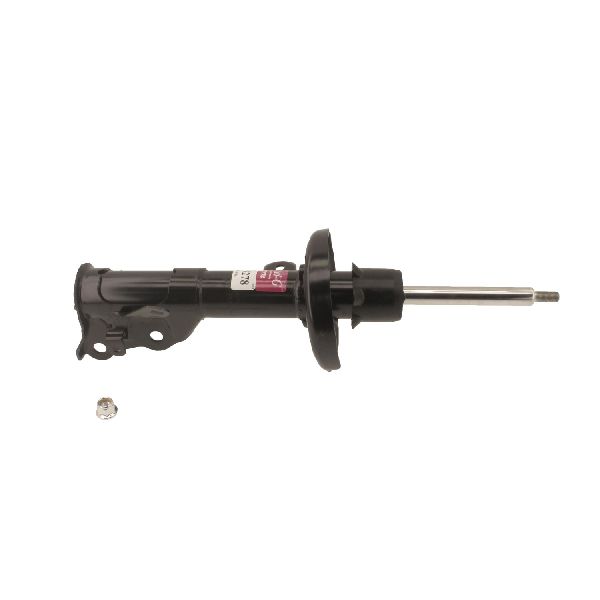
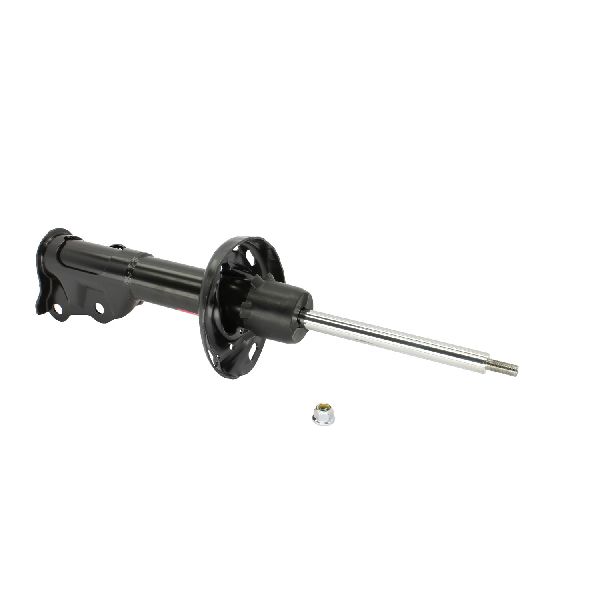
- Complete strut assemblies ('Quick Struts') are recommended for easier and safer DIY installation.
- Always replace struts in pairs (front or rear) to maintain vehicle stability.
- A wheel alignment is mandatory after replacing front struts to prevent tire damage and handling issues.
Is it Time to Replace Your Civic's Struts?


If your Honda Civic feels more like a bouncy castle than a car, your struts are likely worn out. These parts are expected to wear down over time, typically needing inspection around 50,000 miles and replacement not long after. For the 2007-2016 Civics, you'll notice a few key symptoms when the struts are failing.
Key Failure Symptoms:
- Bouncy, Unstable Ride: The most common sign. The car will continue to bounce after hitting a bump and may feel floaty at high speeds.
- Nose-Diving and Squatting: When you brake, the front end of the car will dip excessively. When you accelerate, the rear will squat down.
- Clunking or Popping Noises: You might hear a knocking or clunking sound when driving over bumps or making tight turns. This was noted in a Technical Service Bulletin (TSB) for the front suspension on earlier models in this range.
- Uneven Tire Wear: Worn struts can lead to the inside or outside edges of your tires wearing down faster than the center. A TSB for the 8th generation Civic (up to 2011) noted issues with rear suspension geometry causing rapid tire wear.
- Visible Leaks: If you see oily fluid leaking from the body of the strut, it's a clear sign that the internal seals have failed and it needs immediate replacement.
A Note on TSBs and Recalls
While no major recalls for suspension struts were found for the 2007-2016 Honda Civic, several TSBs were issued. TSB #07-078 and #07043 address popping or clunking noises from the front suspension when turning or after hitting bumps. TSB #08-001 addresses uneven or rapid rear tire wear due to rear control arms on 2006-2007 models (excluding the Si). These bulletins provide repair procedures for technicians but are not recalls. Always check with a dealer or the NHTSA website for the most current information for your specific VIN.
Choosing the Right Aftermarket Struts for Your Civic

When replacing your struts, you don't have to go back to the dealer for expensive OEM parts. The aftermarket offers a wide range of options that can meet or exceed original quality, often at a better price. For your Civic, these parts generally fall into three tiers.
Brand Quality Tiers
- Economy (FCS): Brands like FCS are considered budget-friendly options. They are often softer than the original struts and are a good choice if you're planning to sell the car soon or just need a basic, comfortable ride for a low price. Some users report that installation can be tricky due to minor alignment issues with bolt holes, and the car may sit slightly higher than stock.
- OEM-Equivalent (KYB, Monroe): KYB is widely regarded as an OEM supplier for many Japanese vehicles, including Honda. Their Excel-G line is a popular choice for restoring the original ride quality and handling. Monroe is another well-known brand, often described as providing a softer, more comfort-oriented ride than KYB, though some users find their quality to be inconsistent. For a reliable, factory-feel replacement, KYB is frequently recommended by Civic owners. 🎬 Watch a comparison between KYB Excel-G and high-mileage OEM shocks.
- Performance Upgrade (Koni): For owners looking to improve handling, Koni is a top choice. The Koni STR.T (Orange) struts provide a sportier feel than stock without being overly harsh for daily driving. The Koni Sport (Yellow) struts are adjustable and designed for performance enthusiasts, often paired with lowering springs for a significant upgrade in handling. Note that some Koni applications for the front of the 8th-gen Civic are inserts that require cutting and modifying the original strut housing.
Quick Struts vs. Bare Struts
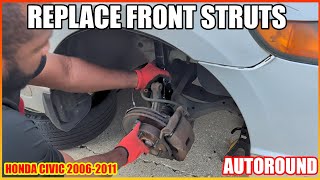
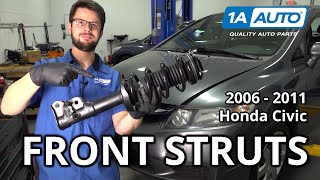
For a faster and safer DIY installation, consider a "quick strut" or complete strut assembly. This includes the strut, coil spring, and top mount all in one unit. This eliminates the need for a dangerous spring compressor tool. 🎬 Follow this complete DIY guide to replacing your front struts. Since your Civic's coil springs and mounts have seen the same mileage as the struts, replacing the whole assembly ensures all components are new and work together perfectly.
Cost to Replace Honda Civic Struts

The cost can vary significantly based on the parts you choose and whether you do the work yourself. Here are some estimated costs:
| Part/Service | Estimated Cost |
|---|---|
| New Aftermarket Strut Assembly (per corner) | $61 - $222 |
| Shop Labor (per pair, front or rear) | $140 - $537 |
| Total Professional Replacement (per pair) | $262 - $981+ |
Note: Prices are estimates and can vary by location and specific product. An alignment is highly recommended after strut replacement, which adds to the total cost.
Frequently Asked Questions
Do I need to replace all four struts at once?
It's highly recommended to replace struts in pairs (both front or both rear) to ensure even handling and stability. If one strut is bad, the other on the same axle is likely not far behind. Replacing all four at once is ideal if your budget allows and they are all high-mileage.
Will replacing my struts fix the clunking noise in my Civic?
Often, yes. A clunking noise over bumps is a classic symptom of a failed strut mount or the strut itself. However, other worn suspension parts like sway bar links or control arm bushings can cause similar noises, so a proper inspection is key.
What's the difference between 8th Gen (2007-2011) and 9th Gen (2012-2016) Civic struts?
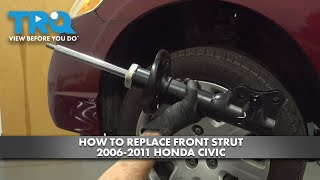
While the basic function is the same, the specific parts are not interchangeable between generations. Always ensure you are buying parts listed for your exact model year. 🎬 See how to replace front struts on 2006-2011 Civics. The 8th generation had a known issue with rear upper control arms causing tire wear, which was addressed with a TSB and revised parts.
Do I need a wheel alignment after replacing my struts?
Yes, absolutely. Replacing the front struts will affect your car's alignment settings. Skipping an alignment will lead to poor handling, crooked steering, and rapid, uneven tire wear. Factor this into your budget.
Helpful Videos

Technical Specifications
OEM Part Numbers: 51402-SNA-A02 51403-SNA-A02 51686-SNA-A02 51684-SNA-A02 51722-SVA-A04
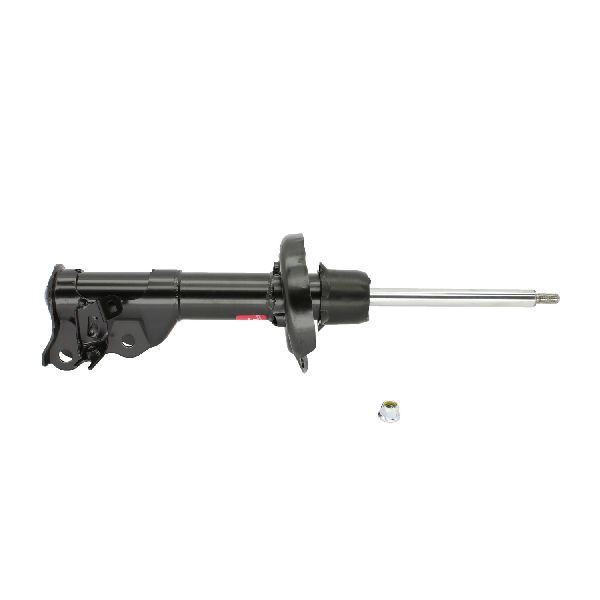
The 2007-2016 Honda Civic uses a MacPherson strut assembly for the front suspension and a separate shock absorber and coil spring for the rear suspension. Torque specs are critical for safety; top mounting nuts are typically torqued to 33 ft-lbs (for non-Si models) and lug nuts to 80 ft-lbs.
We Have This Part in Stock

The information in this article is provided for general reference and educational purposes only. Vehicle specifications, procedures, and part compatibility can vary by production date, trim level, and region. Always consult your vehicle's factory service manual and verify part numbers before purchasing or performing repairs. Safety-critical components such as airbags, seat belts, and braking systems should be installed by a qualified professional.
- Honda Civic:
- 🎬 Helpful Videos
- 🛍️ Shop This Part
- Is it Time to Replace Your Civic's Struts?
- Key Failure Symptoms:
- A Note on TSBs and Recalls
- Choosing the Right Aftermarket Struts for Your Civic
- Brand Quality Tiers
- Quick Struts vs. Bare Struts
- Cost to Replace Honda Civic Struts
- Frequently Asked Questions
- 🎟️ Get 5% Off