

Engine Coolant Temperature Sensor Guide for the 2007-2016 Mercedes-Benz GL450
Is your Mercedes-Benz GL450 running rough, overheating, or getting poor gas mileage? A bad coolant temperature sensor could be the culprit.
- A failing sensor causes poor fuel economy, overheating, and rough running.
- Replacement is challenging due to the sensor's tight location at the rear of the engine.
- Always confirm the exact part number with your GL450's VIN before purchasing.
- No specific recalls were found for this sensor, but ignoring symptoms can lead to costly engine damage.
Symptoms of a Failing Coolant Temperature Sensor in a GL450

When the coolant temperature sensor starts to fail, it sends incorrect information to your vehicle's computer. This can cause a variety of noticeable problems. Being aware of these signs can help you diagnose the issue before it leads to more serious engine damage.
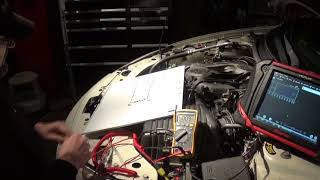
- Check Engine Light: This is often the first sign. The computer will detect a problem with the sensor's signal and trigger a warning light. Common trouble codes include P0115, P0117, and P0118. 🎬 Watch: How to diagnose and understand these specific trouble codes.
- Poor Fuel Economy: If the sensor wrongly tells the computer the engine is cold, the computer will inject more fuel than needed. This leads to you filling up at the gas station more often.
- Black Smoke from Exhaust: A side effect of the engine running too rich (too much fuel) is black, sooty smoke coming from the tailpipe.
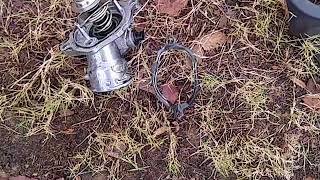
- Engine Overheating: A faulty sensor may fail to signal the cooling fans to turn on when the engine gets hot, leading to overheating, especially in traffic. This is a serious condition that can cause severe engine damage. 🎬 Watch: How to replace the thermostat if overheating persists.
- Rough Idle and Misfires: With the wrong fuel and timing adjustments, the engine can idle roughly, shake, or misfire.
- Weak Heater Performance: An incorrect temperature reading can sometimes affect the climate control system, resulting in lukewarm air from the heater.
Don't Ignore the Signs
Driving with a bad coolant temperature sensor is not recommended. It can lead to long-term engine damage from overheating, foul your spark plugs and oxygen sensors from a rich fuel mixture, and leave you stranded.
Choosing the Right Aftermarket Sensor for Your GL450
You do not need to buy a genuine Mercedes-Benz part to fix your GL450. Several reputable aftermarket brands offer quality replacements, often for a fraction of the price. However, quality can vary, so it's important to choose wisely.
Brand Quality Tiers
For a critical component like this, it's best to stick with brands known for their sensor technology. Based on industry reputation and OEM supply history, we can sort the available brands into tiers.
- Premium Aftermarket (OEM-level Quality): Brands like Vemo and Delphi are often original equipment manufacturers for German automakers. They are trusted choices for reliability and accurate performance, closely matching the original part.
- Standard Aftermarket (Reliable & Recommended): Brands such as Standard Ignition, Holstein, and Walker Products offer a solid balance of quality and value. They are dependable replacements for a daily-driven vehicle.
- Economy Aftermarket (Budget-Focused): Brands like URO Parts and Global Parts provide a low-cost alternative. While functional, they may not have the same long-term durability or precise calibration as premium options. They can be a viable choice for an older vehicle or if budget is the primary concern.
Pro Tip: The 2007-2016 GL450 covers two different generations (X164 and X166) with different V8 engines. Always verify the correct part number for your specific vehicle using its VIN before ordering.
Cost to Replace the GL450 Engine Coolant Temperature Sensor

The cost for this repair depends on whether you do it yourself or take it to a shop. The part itself is inexpensive, but labor can be significant due to the sensor's difficult location on some GL450 engines.
| Part/Service | Estimated Cost |
|---|---|
| New Aftermarket Sensor | $8 - $33 |
| New OEM Sensor | $30 - $60 |
| Shop Labor | $150 - $450 |
| Total (Shop Repair) | $180 - $510 |
Frequently Asked Questions (FAQ)

Where is the coolant temperature sensor located on the 2007-2016 GL450?
On many Mercedes V8 engines of this era, the sensor is located on the rear of one of the cylinder heads, near the firewall and close to the crankshaft position sensor. This location is known for being very tight and difficult to access, often requiring you to work by feel with one hand.
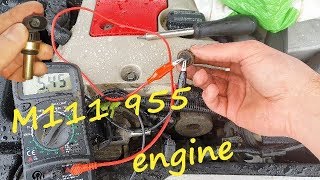
🎬 See a demonstration of how to test and remove the sensor.Can I replace this sensor myself?
While technically possible for an experienced DIYer, this is not a simple job. Accessing the sensor is challenging due to the tight space at the back of the engine. It requires removing engine covers and potentially other components. If you are not comfortable working in tight spaces or by feel, it is best to leave this job to a professional mechanic.
What happens if I ignore a bad coolant temperature sensor?
Ignoring a faulty sensor can have serious consequences. The most critical risk is engine overheating, which can lead to warped cylinder heads or catastrophic engine failure. Continuously running rich will also damage your catalytic converter and oxygen sensors over time, leading to more expensive repairs.
Does my GL450 have more than one coolant sensor?
Some vehicles use multiple temperature sensors for different purposes (one for the gauge, one for the computer, one for the fans). However, the primary Engine Coolant Temperature (ECT) sensor is the one that provides data to the ECU and is responsible for the symptoms listed above. Replacing this main sensor typically resolves these issues.
Helpful Videos
Technical Specifications
OEM Part Numbers: 0009050600 0999053800 A0051536328 0009056102 0041539728
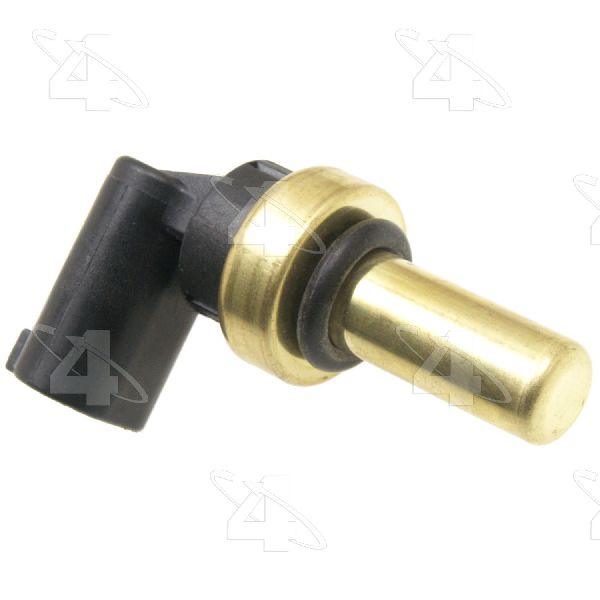
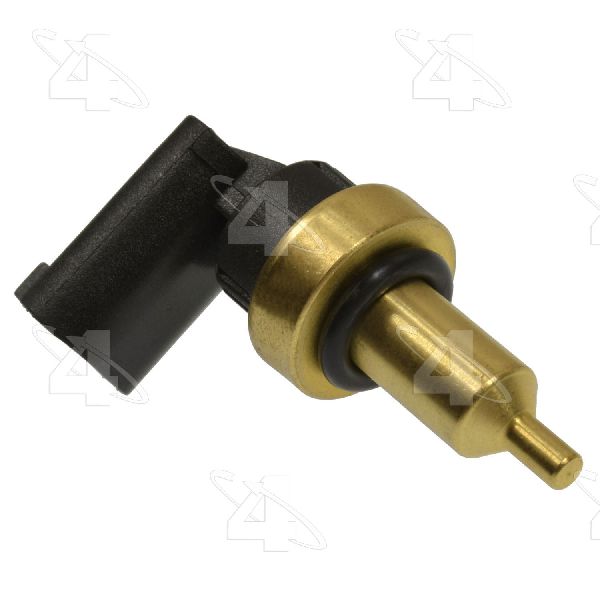
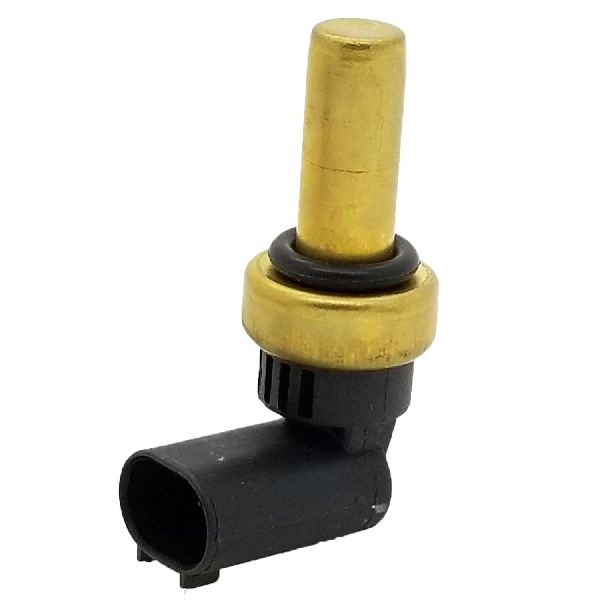
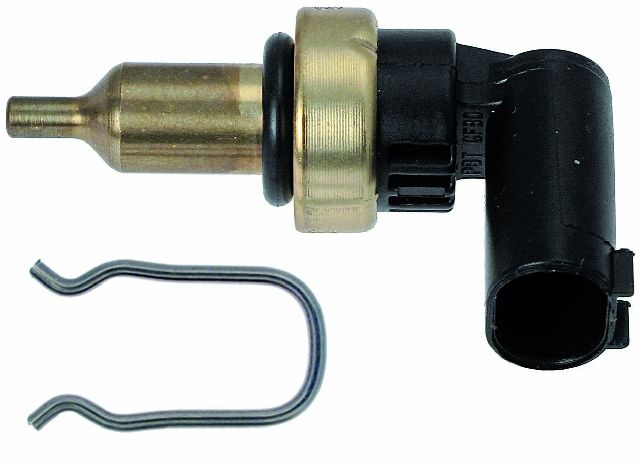
Typically a 2-pin sensor that clips or screws into the engine block or cylinder head.
We Have This Part in Stock


The information in this article is provided for general reference and educational purposes only. Vehicle specifications, procedures, and part compatibility can vary by production date, trim level, and region. Always consult your vehicle's factory service manual and verify part numbers before purchasing or performing repairs. Safety-critical components such as airbags, seat belts, and braking systems should be installed by a qualified professional.
- Mercedes-Benz GL450: