

A Guide to Replacing Disc Brake Pads on the 2007-2016 Volkswagen Eos
Keep your convertible's stopping power reliable and safe by choosing the right brake pads.
- The rear brakes on a VW Eos have an Electronic Parking Brake (EPB) and require a special scan tool to retract the calipers for service.
- Verify your specific rear rotor diameter (253mm, 272mm, or 285mm) before ordering to ensure correct fitment.
- OEM-supplier brands like Textar and Pagid, or low-dust ceramic options like Akebono, offer excellent performance for daily driving.
- Always replace brake pads and rotors together for the best and safest performance.
Signs Your Eos Brake Pads Are Worn

Your Volkswagen is designed to tell you when its brake pads need attention. Ignoring these signs can lead to more expensive repairs. Here’s what to look and listen for:
- Squealing or Screeching Noises: This is often the first sign. A small metal tab called a wear indicator makes this noise when it contacts the brake rotor, telling you the pads are thin.
- "Check Brake Pads" Warning Light: Many Eos models have electronic wear sensors. When the pad material wears down to a certain point, a light will appear on your dashboard.
- Grinding Sounds: If you hear a deep, harsh grinding, it means the pads are completely worn away. Metal is grinding against metal, which can quickly destroy your brake rotors. This is a critical safety issue.
- Spongy or Soft Brake Pedal: If the brake pedal feels less firm than usual or goes down further, it could mean there's air in the brake lines or a problem with the master cylinder.
- Longer Stopping Distances: If you notice your car takes longer to stop, your brake pads are likely worn out and not creating enough friction.
Recall and Safety Information
There was a recall (NHTSA ID: 16V913) for some 2009-2010 Volkswagen Eos models related to the ABS control module. This could cause the ABS or Electronic Stability Control (ESC) to fail, increasing crash risk. While not a recall on the brake pads themselves, it's crucial to ensure this recall has been performed on your vehicle by a dealer, as it affects the overall braking system's safety.
Choosing the Right Aftermarket Brake Pads

The aftermarket offers a wide range of brake pads for your Eos. They generally fall into three categories, allowing you to choose based on your budget and driving style.
Tier 1: Economy Pads
These are the most affordable options, suitable for drivers on a tight budget or with gentle driving habits. Brands like Pronto, Dynamic Friction, and Total Stopping Solutions fit in this category. They will stop your car safely but may wear out faster and create more dust or noise than higher-tier options.
Tier 2: OEM-Quality Daily Driver Pads
This is the sweet spot for most Eos owners. These pads offer a balance of performance, longevity, and price, similar to or better than the original factory pads. Many are made by the same companies that supply Volkswagen.
- Textar & Pagid: These brands are often original equipment (OE) suppliers to VW. They provide a factory-like feel and reliable performance.
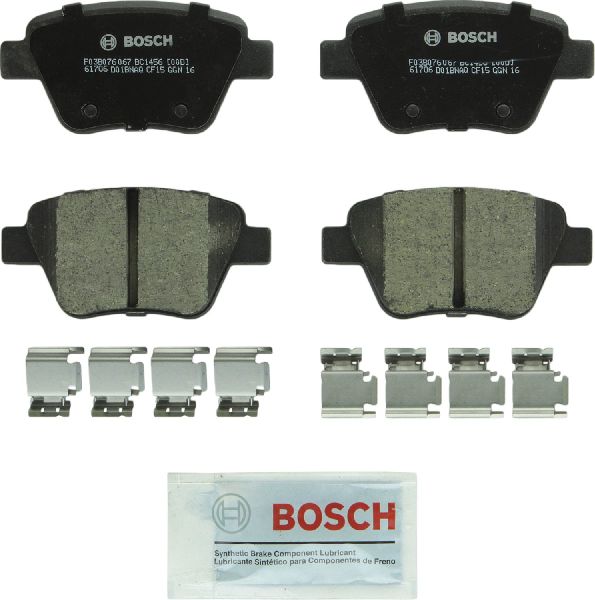
- Bosch & Brembo (Standard Line): Both are trusted names that produce high-quality pads offering quiet operation and consistent stopping power.
- Akebono (Pro-ACT): Known for being very quiet and producing significantly less brake dust than typical German car pads, making them a popular upgrade.
- Centric, Raybestos, Wagner: These are well-regarded aftermarket brands that offer dependable performance for daily driving.
Tier 3: Performance / High-Performance Pads
If you enjoy spirited driving, these pads offer a stronger bite and better resistance to brake fade (a loss of stopping power from heat). They are often made from semi-metallic or advanced ceramic compounds.
- Hawk Performance & EBC Brakes: These brands specialize in performance pads. They provide superior stopping power but can be noisier and produce more dust than daily driver pads.
- StopTech & Powerstop: Often sold in kits with rotors, these provide a noticeable upgrade in braking performance for enthusiastic drivers.
Ceramic vs. Semi-Metallic
Most aftermarket pads for the Eos are available in ceramic or semi-metallic formulas. Ceramic pads are known for being quiet and producing very little dust, which helps keep your wheels clean. Semi-metallic pads offer excellent performance, especially in high-heat situations, but tend to be dustier and can wear rotors faster. For most Eos owners, a quality ceramic pad from a brand like Akebono or Bosch is an excellent all-around choice.
Common Ordering Mistakes

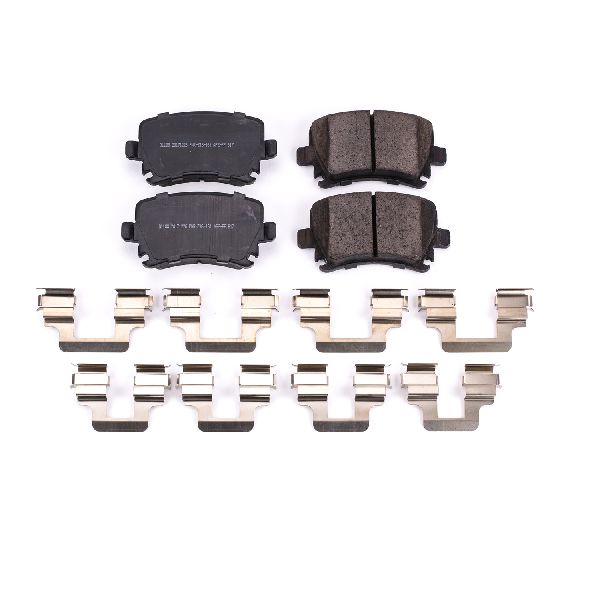
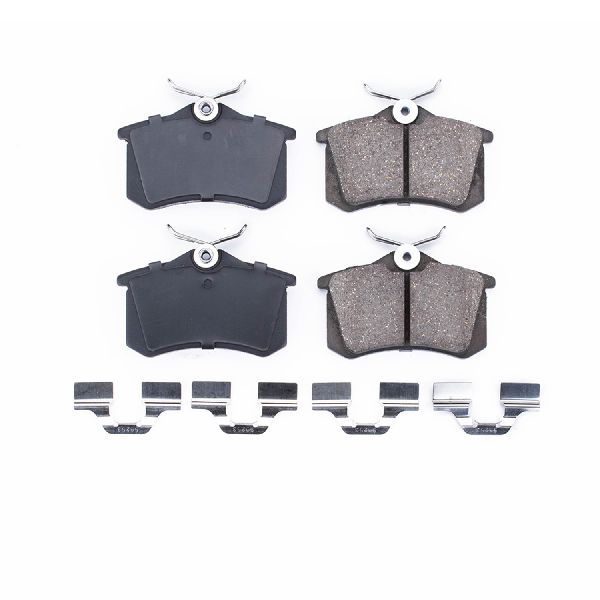
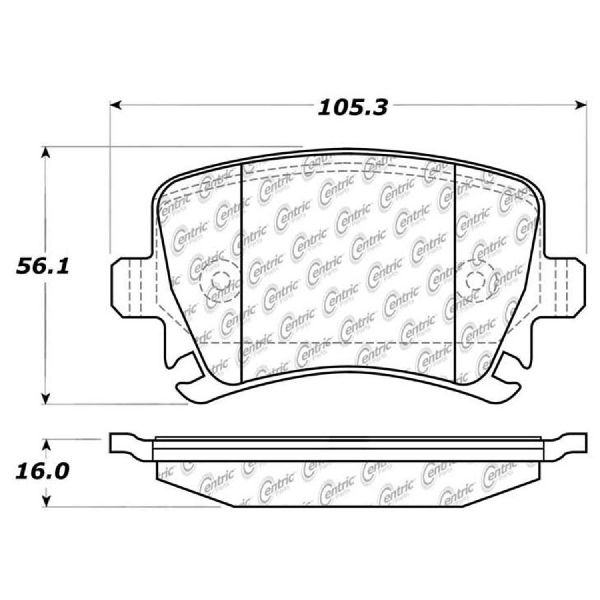
The 2009-2015 VW Eos had several different rear brake sizes (253mm, 272mm, and 285mm). It is critical to verify your car's specific rotor size before ordering new pads to ensure you get the correct parts. Check your vehicle's information or measure the rotor diameter if you are unsure.
| Item | Estimated Cost |
|---|---|
| New Aftermarket Brake Pad Set | $26 - $357 |
| New OEM Brake Pad Set | $80 - $200 |
| Shop Labor for Installation | $150 - $250 |
Frequently Asked Questions (FAQ)
Do I need a special tool to change the rear brake pads?
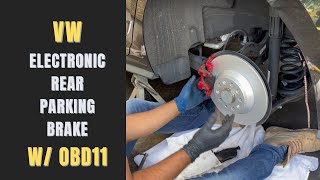
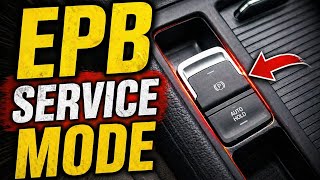
Yes, most likely. The Volkswagen Eos is equipped with an Electronic Parking Brake (EPB). You cannot simply push the rear caliper pistons back by hand. You need an OBD2 scan tool (like VCDS, OBDEleven, or Carista) to put the rear brakes into a special service mode 🎬 Watch how to use OBDEleven for rear brake service mode., which retracts the electronic mechanism. Attempting to force the piston back without using this tool can cause expensive damage to the brake caliper.
🎬 Learn how to safely retract electronic parking brake pistons.Should I replace my brake rotors at the same time as the pads?
It is highly recommended. Installing new pads on old, worn, or grooved rotors can cause noise, vibration, and prevent the new pads from bedding in correctly. For best performance and safety, you should replace the pads and rotors as a set.
What are brake pad wear sensors?
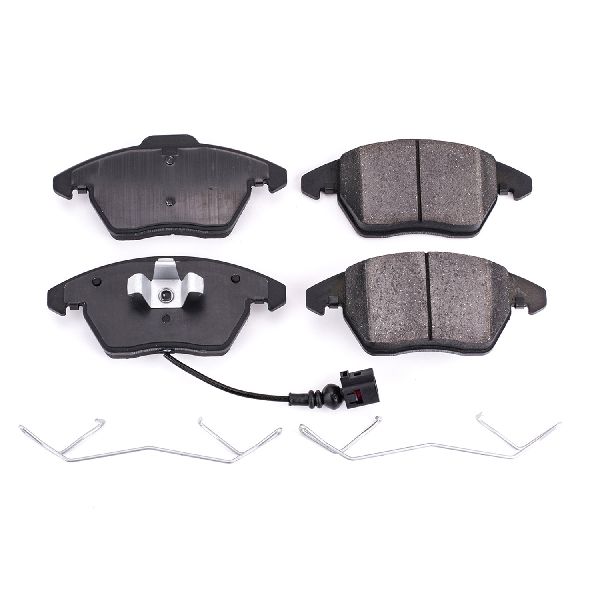
The Eos uses a small electronic sensor, typically on the driver's side front inner brake pad, that triggers the "Check Brake Pads" warning light on your dash when the pads are low. When you buy new pads, make sure the set includes a new wear sensor if required. Not all pad sets come with one.
Why are my wheels always covered in black dust?
This is a common complaint with many German cars. The original factory (OEM) brake pads are often a softer, organic compound that provides great stopping power but produces a lot of dust. Switching to a quality aftermarket ceramic pad, like those from Akebono, can significantly reduce the amount of visible brake dust.
Helpful Videos
Technical Specifications
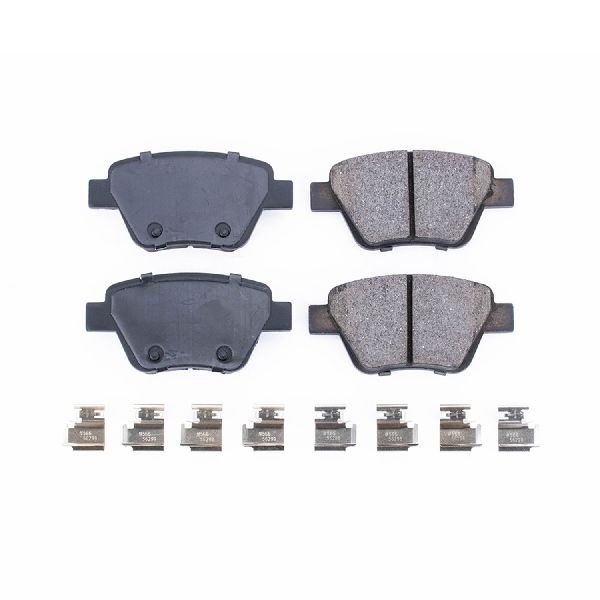
Brake pad sets may be ceramic or semi-metallic and may or may not include a new electronic wear sensor. Rear pad replacement requires a diagnostic tool to retract the Electronic Parking Brake (EPB). Multiple rear brake sizes exist, so vehicle configuration must be verified.
We Have This Part in Stock

The information in this article is provided for general reference and educational purposes only. Vehicle specifications, procedures, and part compatibility can vary by production date, trim level, and region. Always consult your vehicle's factory service manual and verify part numbers before purchasing or performing repairs. Safety-critical components such as airbags, seat belts, and braking systems should be installed by a qualified professional.
- Volkswagen Eos:
- 🎬 Helpful Videos
- 🛍️ Shop This Part
- Signs Your Eos Brake Pads Are Worn
- Recall and Safety Information
- Choosing the Right Aftermarket Brake Pads
- Tier 1: Economy Pads
- Tier 2: OEM-Quality Daily Driver Pads
- Tier 3: Performance / High-Performance Pads
- Ceramic vs. Semi-Metallic
- Common Ordering Mistakes
- Frequently Asked Questions (FAQ)
- 🎟️ Get 5% Off