

A Comprehensive Guide to Disc Brake Pads for the 2007-2016 Volvo S80
Choosing the right brake pads is critical for maintaining the safety, comfort, and performance of your heavy luxury sedan.
- For a factory feel, choose OEM-equivalent brands like ATE or Textar; for low dust and quiet operation, choose premium ceramics like Akebono or Bosch.
- Avoid the cheapest budget pads, as they are not suitable for the weight and performance of the S80 and often cause noise.
- Be aware of TSB #32217664 for uneven wear on the right-front brake pad, which may require replacing the dust shield.
- Rear brake pad replacement on models with an electronic parking brake requires a scan tool to put the system into service mode.
Symptoms of Failing Brake Pads
When your S80's brake pads are nearing the end of their life, you will notice clear warning signs. Ignoring them can lead to more expensive repairs and unsafe driving conditions.
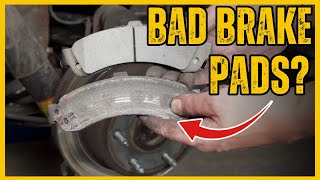
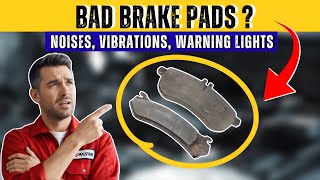
🎬 Watch: A visual guide to identifying these 7 warning signs.- Squealing or Screeching: A high-pitched noise when you apply the brakes is often the first sign. This is caused by a small metal wear indicator built into the pad telling you it's time for a replacement.
- Grinding Noise: A deep, metallic grinding sound means the pads are completely worn away. This is metal-on-metal contact between the caliper and the rotor, which causes significant damage to the rotor and is extremely unsafe.
- Vibration or Pulsation: If you feel a pulsing in the brake pedal or a vibration in the steering wheel when braking, it often points to warped brake rotors, which can be caused by worn pads.
- Pulling to One Side: If your car pulls to the left or right when you brake, it could indicate a problem with a caliper or uneven wear on the pads.
- Longer Stopping Distance: If you feel like you need to press the pedal harder or the car is taking longer to stop, your pads may be worn out or 'glazed' from heat.
Vehicle-Specific Issue: Uneven Front Brake Pad Wear
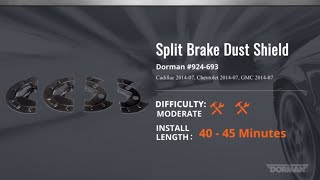
Volvo issued a Technical Journal (TJ 32217664) for the 2007-2016 S80 regarding premature or uneven wear on the right-side front brake pads, particularly the inner pad. This issue is caused by a faulty brake dust shield design that can affect cooling and cause debris to accumulate. The fix involves replacing the right-side dust shield with an updated part (PN 32217664) when you replace the pads and, if necessary, the rotor. If you've noticed your right front pads wearing out much faster than the left, this is likely the cause.
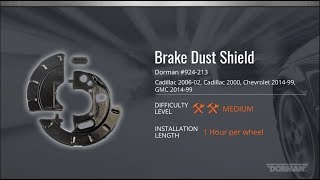
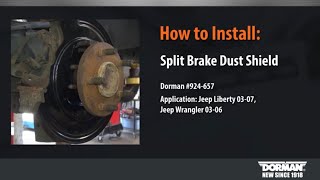
🎬 See how to install an updated brake dust shield.Choosing the Right Aftermarket Brake Pads for Your S80
Your Volvo S80 left the factory with high-quality brake pads designed for quiet, effective stopping. The original equipment (OE) pads are often manufactured by brands like ATE or Textar. When choosing aftermarket pads, you can match or even exceed this quality. Avoid the cheapest options, as they often result in noise, excessive dust, and poor performance on a heavy European sedan.
Brand Tiers
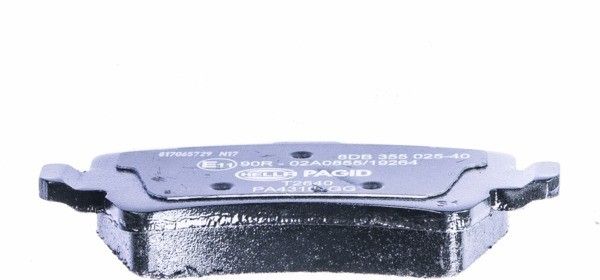
- OEM-Equivalent (Maintain Factory Feel): Brands like ATE, Textar, and Pagid are excellent choices if you want to maintain the original braking performance and feel of your S80. They are engineered to the same standards as the parts Volvo uses.
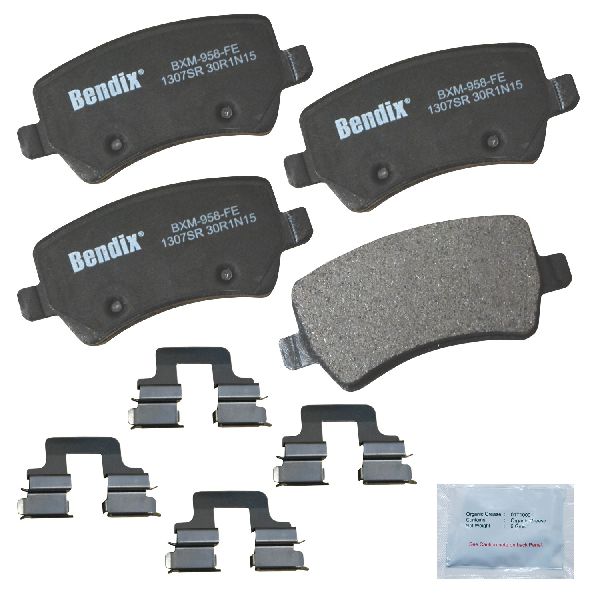
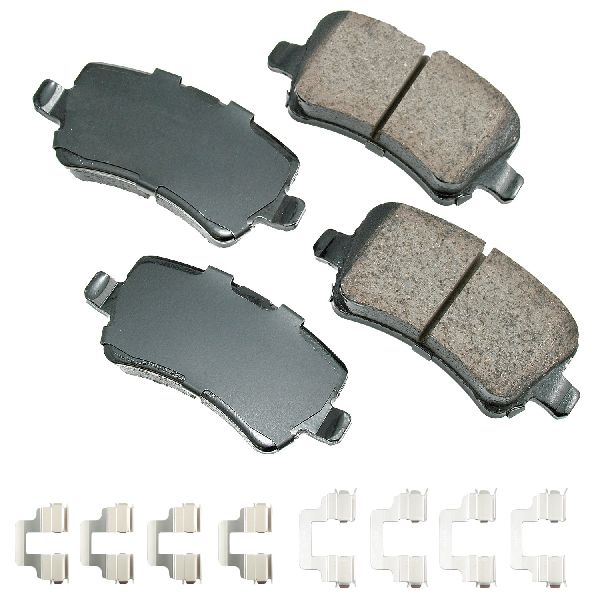
- Premium Ceramic (Low Dust & Quiet): If you're tired of cleaning brake dust off your wheels, brands like Akebono and Bosch QuietCast are top choices. They provide excellent stopping power with significantly less dust and are known for being exceptionally quiet.
- Performance & Heavy Duty: For drivers seeking more initial bite or improved performance under high heat, brands like Brembo, Powerstop, StopTech, and EBC Brakes offer performance-oriented pads. These are a good option if you do a lot of spirited driving, but be aware they may produce more dust or noise than OEM-style ceramic pads.
- Daily Driver (Value & Reliability): Brands such as Centric, Dynamic Friction, Raybestos, and Wagner Brakes offer a great balance of quality, performance, and price for everyday driving. They are reliable choices that meet or exceed all safety standards.
| Category | Price Range (Per Axle) | Notes |
|---|---|---|
| New Aftermarket (Budget) | $21 - $45 | Basic organic or semi-metallic pads. Not generally recommended for the S80 due to potential for noise. |
| New Aftermarket (Daily Driver / Premium Ceramic) | $45 - $90 | This is the sweet spot for most owners, including brands like Bosch, Centric, and Akebono. |
| New Aftermarket (Performance / OEM-Equivalent) | $90 - $194 | Includes high-performance compounds and OEM-supplier brands like ATE, Brembo, and Textar. |
| New OEM (Dealership) | $120 - $250+ | Highest cost, but guarantees factory parts. Often made by the same companies as the OEM-Equivalent tier. |
Frequently Asked Questions
Do I need to replace my brake rotors at the same time as the pads?
It is highly recommended. While you can sometimes install new pads on old rotors if the rotors are in excellent condition, it's best practice to replace them together. New pads need a perfectly flat, clean surface to bed-in correctly. Installing new pads on worn or grooved rotors will reduce braking effectiveness, increase noise, and cause the new pads to wear out prematurely.
What's the difference between ceramic and semi-metallic pads?
Ceramic pads are made from dense ceramic materials and are known for being very quiet, producing a fine, light-colored dust that doesn't stick to wheels, and offering long life. Semi-metallic pads contain metal fibers, which help with heat transfer and provide strong stopping power, but they tend to be noisier, dustier, and can be harsher on rotors. For a luxury car like the S80, most owners prefer ceramic pads for their clean and quiet operation.
What is the 'bedding-in' process for new brakes?
Bedding-in, or break-in, is a critical process that mates your new pads to the new rotors. It involves a series of controlled stops to deposit an even layer of friction material from the pad onto the rotor surface. This prevents vibration and ensures maximum stopping power. Always follow the manufacturer's specific bedding-in procedure included with your new pads.
Why are my new brakes squeaking?
Squeaking after a brake job can be caused by a few things. It could be that the pads are still in the bedding-in period. It can also be caused by brake dust or a lack of proper lubrication on the pad's contact points with the caliper. High-performance metallic pads are also naturally noisier than ceramic pads. If the noise persists after a few hundred miles, have the installation checked.
Do I need special tools for the rear brakes?
Yes, many 2007-2016 S80 models are equipped with an electronic parking brake (EPB). You cannot simply push the caliper piston back in. The EPB must be put into a 'service mode' using a compatible diagnostic scan tool before you can retract the piston and replace the rear pads. Attempting to force the piston back will damage the caliper.
Helpful Videos

Technical Specifications
Relevant Technical Journal: Volvo TJ 32217664 (for uneven right-front pad wear). Rear brakes may require an electronic parking brake service tool for retraction.
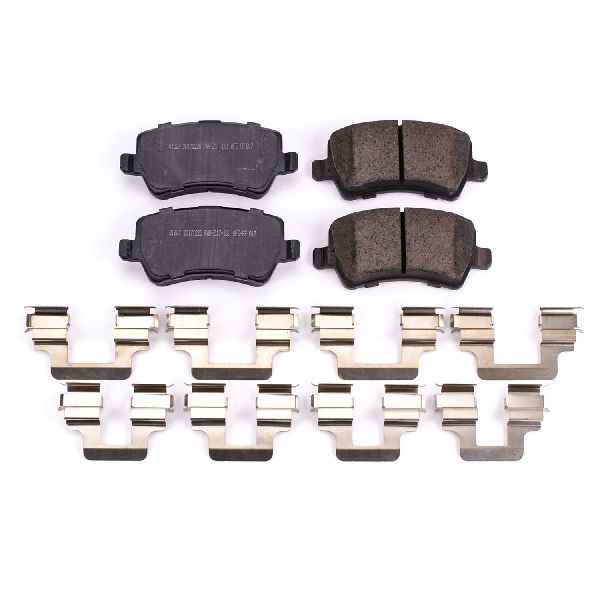
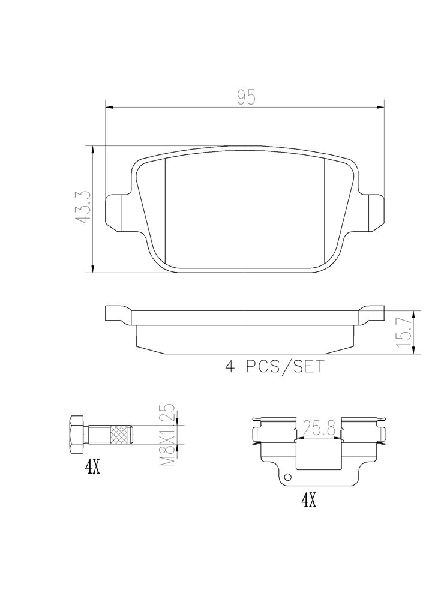
We Have This Part in Stock


The information in this article is provided for general reference and educational purposes only. Vehicle specifications, procedures, and part compatibility can vary by production date, trim level, and region. Always consult your vehicle's factory service manual and verify part numbers before purchasing or performing repairs. Safety-critical components such as airbags, seat belts, and braking systems should be installed by a qualified professional.
- Volvo S80: