

Guide to the 2007-2016 Volvo S80 Engine Cooling Fan Module
Understanding the common failures of the fan control module in your Volvo S80 and how to fix them.
- A failed module can either cause overheating or a dead battery; both symptoms require immediate attention.
- A recall was issued for 2008-2009 models; check if your vehicle was affected and serviced.
- Aftermarket modules from brands like Gates or Beck Arnley offer significant cost savings over the OEM full fan assembly.
- A faulty fan module is a likely cause if your A/C blows warm at idle but gets cold when driving.
Is Your S80 Fan Module Failing?

A faulty engine cooling fan module is a known issue for the 2007-2016 Volvo S80 generation. These modules can fail in a few distinct ways, often leaving you with either an overheating engine or a dead battery. Understanding the symptoms can help you diagnose the problem quickly before it leads to more serious engine damage.
Most Common Failure Symptoms
- Engine Overheating at Idle: The most dangerous symptom is when the fan fails to turn on in traffic or at a stop light. Your temperature gauge will climb into the red, and you may see a warning message. This happens because the module is not telling the fan to start when needed.
- Fan Runs Constantly: Many owners first notice a problem when the cooling fan runs at full speed and doesn't shut off, even after the car is turned off. 🎬 Watch: Why your fan stays on and drains the battery. This will drain your battery overnight. This is a classic sign that the module's internal electronics have failed in the 'on' position.
- A/C Blows Warm Air: If your A/C works on the highway but blows warm air when you're stopped, the fan module could be the culprit. The A/C system needs the fan to cool the condenser, and if the fan isn't running, the A/C can't produce cold air.
Recall Notice for 2008-2009 Models
Volvo issued a safety recall (NHTSA Campaign ID: 09V218000) for 2008 and 2009 S80 models due to a software error in the fan control module that could cause the fan to stop working. This could lead to engine overheating. The fix was a complete replacement of the module. Before purchasing a part, it is wise to check with a Volvo dealer to see if your vehicle was part of this recall and if the repair was performed.
Choosing the Right Aftermarket Part

When it's time for a replacement, you have a choice between OEM and aftermarket parts. For this specific component, the difference is significant.
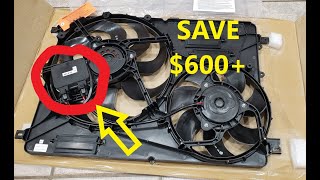
- OEM (Original Equipment Manufacturer): Volvo dealers often do not sell the fan control module by itself. Instead, they sell the entire cooling fan assembly (fan, shroud, and module). This makes the repair much more expensive.
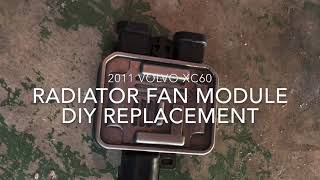
- Aftermarket: Reputable aftermarket brands offer the module as a standalone part, providing a huge cost savings. 🎬 See this step-by-step DIY fan controller replacement guide. This is the most common repair route. However, quality varies. Very cheap modules found on sites like Amazon or eBay have a reputation for failing quickly.
Brand Tiers: Gates vs. Beck Arnley
For a critical part like this, sticking with a known brand is recommended. Both Gates and Beck Arnley are established aftermarket manufacturers that offer a reliable alternative to questionable online sellers.
- Gates: A well-regarded brand in the automotive world. Their modules are marketed as OE-performance replacements and sometimes include engineered improvements over the original design. Forum users often mention Gates as a higher-quality choice after having issues with cheaper parts.
- Beck Arnley: This brand specializes in parts for foreign nameplate vehicles and focuses on matching the original part's form, fit, and function. They are a solid choice for getting OE-like performance without the OE price tag.
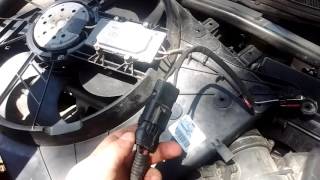
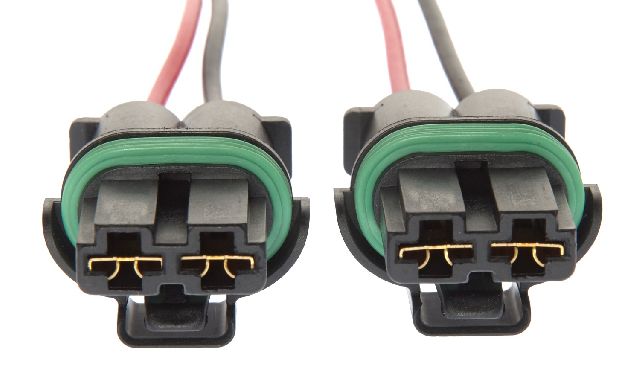
Pro Tip: When replacing the module, it's a good idea to inspect the electrical connector for any signs of melting or corrosion. A bad connection can damage the new module. Some premium aftermarket kits may even include a new connector pigtail.
Cost of Replacing Your Fan Module
The cost can vary greatly depending on whether you do the work yourself and which parts you choose.
| Part / Service | Estimated Cost |
|---|---|
| New OEM (Full Assembly) | $500 - $700 |
| New Aftermarket (Module Only) | $254.55 - $449.34 |
| Shop Labor | $150 - $350 |
| Total Professional Job (Aftermarket) | $405 - $800 |
Frequently Asked Questions

Can I still drive my S80 with a bad fan module?
No. If the module has failed and the fan is not turning on, you risk catastrophic engine damage from overheating. If the fan is stuck on, you risk a dead battery. It is not safe to drive until the issue is fixed.
Why did my battery die?
A common failure mode for this module is for it to get stuck in the 'on' position. This causes the cooling fan to run at full speed even when the car is off, draining the battery completely.
Is the fan module hard to replace myself?
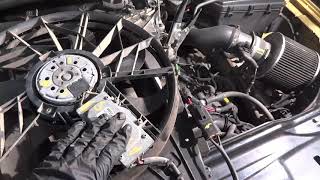
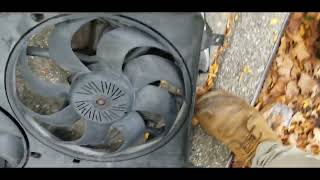
For a DIYer, it is a moderately difficult job. The module itself is attached to the fan shroud. The main challenge is removing the fan assembly from the car, which has tight clearances. Some mechanics remove the front bumper for better access, while others have found ways to do it from the top. 🎬 Watch: This 1-hour hack makes the replacement much easier. It typically takes 1-3 hours.
Why does my A/C only work when I'm driving fast?
Your car's A/C needs airflow over the condenser (which looks like a small radiator) to get cold. When you are driving fast, air is forced through it naturally. When you are stopped, the cooling fan is supposed to pull air through it. If the fan isn't working because of a bad module, the A/C can't cool the air, and it will blow warm.
Helpful Videos
Technical Specifications
OEM Part Numbers: 31305106
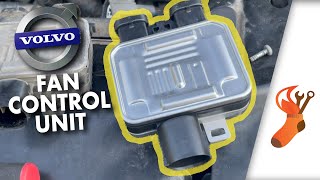
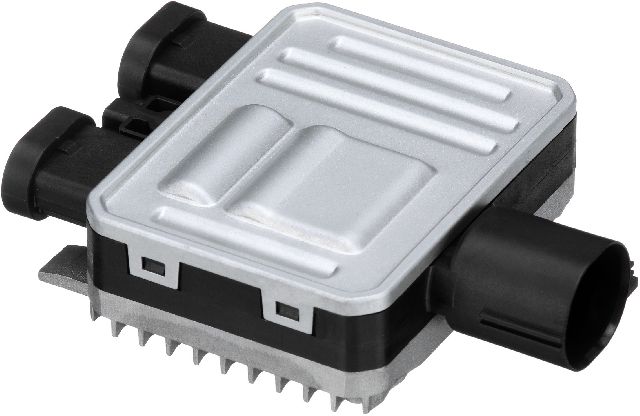
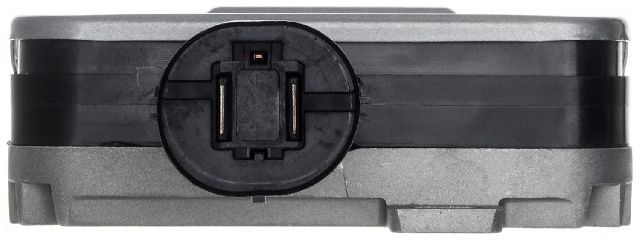
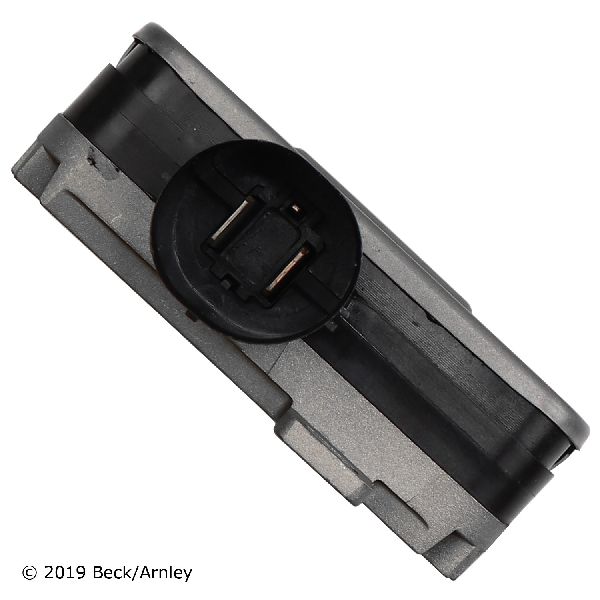
The Engine Cooling Fan Module is an electronic controller that receives a pulse-width modulation (PWM) signal from the Engine Control Unit (ECU) to vary the speed of the cooling fan motor. It is typically mounted directly to the fan shroud.
We Have This Part in Stock

The information in this article is provided for general reference and educational purposes only. Vehicle specifications, procedures, and part compatibility can vary by production date, trim level, and region. Always consult your vehicle's factory service manual and verify part numbers before purchasing or performing repairs. Safety-critical components such as airbags, seat belts, and braking systems should be installed by a qualified professional.
- Volvo S80: