

GMC Acadia Steering Tie Rod End Replacement Guide (2007-2017)
Everything you need to know about replacing the steering tie rod ends on your 2007-2017 GMC Acadia.
- A clunking noise, loose steering, or uneven tire wear are the primary symptoms of a bad tie rod end on a 2007-2017 Acadia.
- A complete wheel alignment is mandatory after replacing any tie rod end to prevent unsafe handling and rapid tire wear.
- Premium aftermarket brands like Moog, Delphi, and ACDelco Professional offer excellent quality and are often preferred over base-level parts.
- A worn tie rod is a serious safety issue that can lead to a loss of steering control; inspect and replace it promptly.
Is Your Acadia's Steering Feeling Off? It Could Be the Tie Rod Ends.

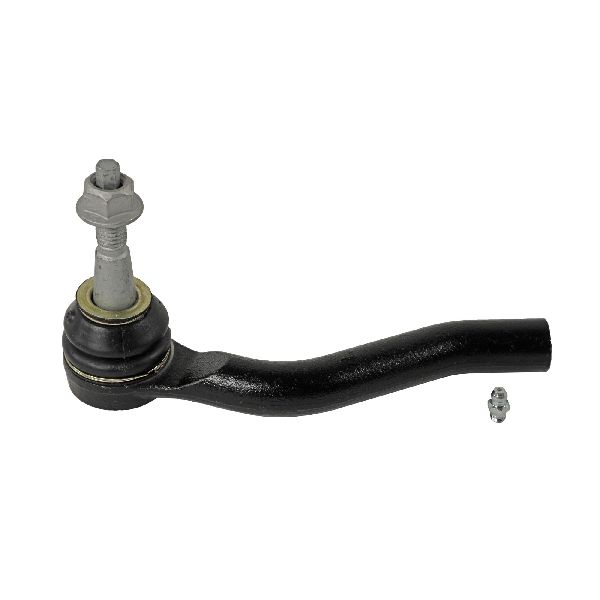
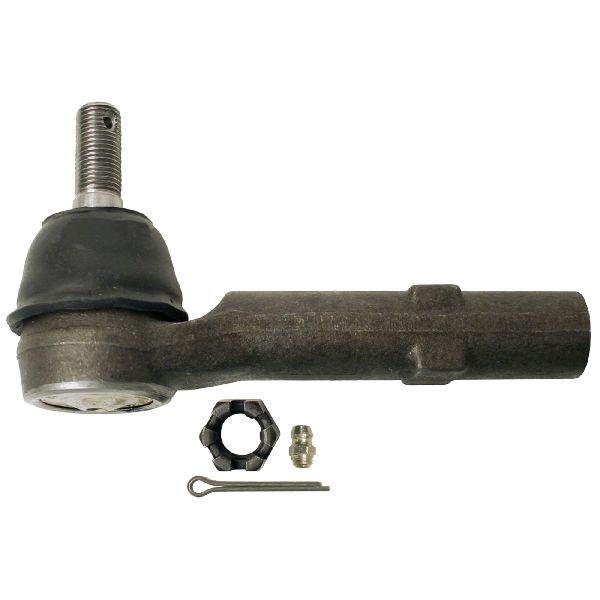
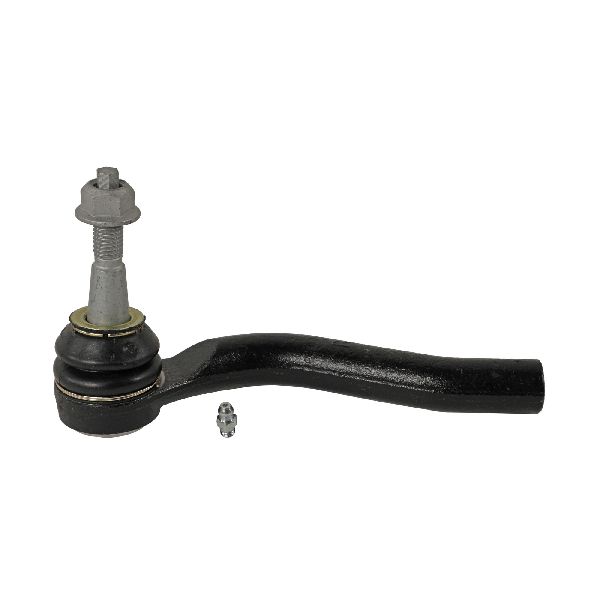
If your 2007-2017 GMC Acadia has developed sloppy steering, is making clunking noises on turns, or your tires are wearing out unevenly, worn steering tie rod ends are a likely culprit. These parts are ball-and-socket joints that wear out from normal use, and their failure can range from annoying to dangerous. This guide will walk you through the symptoms, how to choose the right aftermarket parts, and what to expect during replacement.
Symptoms of Failing Tie Rod Ends on a GMC Acadia

Worn tie rod ends on the Acadia will give you clear warning signs. Ignoring them can lead to a complete loss of steering control. Look out for:
🎬 Watch: MOOG explains common symptoms of bad tie rods- Loose or Shaky Steering: The steering wheel may feel like it has excessive play or vibrates, especially at higher speeds. You might feel like you're constantly making small corrections to keep the vehicle straight.
- Clunking or Popping Noises: A distinct clunk, pop, or rattle from the front end when turning at low speeds or going over bumps is a classic sign. This is the sound of the worn joint moving around excessively.
- Uneven Tire Wear: Bad tie rods throw off the wheel alignment, causing the inside or outside edges of your front tires to wear down much faster than the rest of the tread.
- Vehicle Pulling to One Side: A worn tie rod can cause the alignment to be so off that the vehicle constantly pulls to the left or right, requiring you to fight the steering wheel.
Known Issues, Recalls, and Service Bulletins
While there are no specific recalls for tie rod ends on the 2007-2017 GMC Acadia, GM did issue a special coverage adjustment (14329B) for power steering issues on 2007-2011 models that could cause loss of steering assist. Additionally, a technical service bulletin (TSB 10-02-32-001B) addresses a clunking noise when turning, caused by steering gear bushings, which can sometimes be confused with a tie rod noise. It's important to correctly diagnose the source of any noise or looseness in the front end.
🎬 See how to inspect and test your tie rod endsChoosing the Right Aftermarket Tie Rod End

For the GMC Acadia, you have several good aftermarket options. You don't need to pay for an OEM part to get good quality. Here's a breakdown of common brands:
- Premium Brands (Moog, Delphi, ACDelco Professional): These brands are well-regarded and often seen as equivalent to or better than the original part. Moog's "Problem Solver" line is known for being heavy-duty and often includes grease fittings for longer life. ACDelco is GM's own parts brand, with their "Professional" line being a high-quality aftermarket option. Delphi is another trusted OEM supplier with a strong aftermarket presence.
- Mid-Grade Brands (Mevotech, Dorman): These brands can be a good value. Mevotech offers several lines, with their "Supreme" or "TTX" lines being a step up in quality. Dorman is known for providing a wide range of parts, but quality can sometimes be inconsistent between their different product lines.
- Value Brands (QuickSteer, Suspensia, and various store brands): These are typically the most affordable options. They can be a good choice for a budget-conscious repair, but may not have the same longevity or robust design as premium brands.
| Item | Estimated Cost |
|---|---|
| New Aftermarket Outer Tie Rod End (Single) | $28 - $70 |
| Shop Labor (per side) | $80 - $150 |
| Wheel Alignment (Required) | $100 - $200 |
| Total Estimated Cost (One Side, Professional Install) | $208 - $420 |
Frequently Asked Questions (FAQ)

Do I need to replace inner and outer tie rods at the same time?
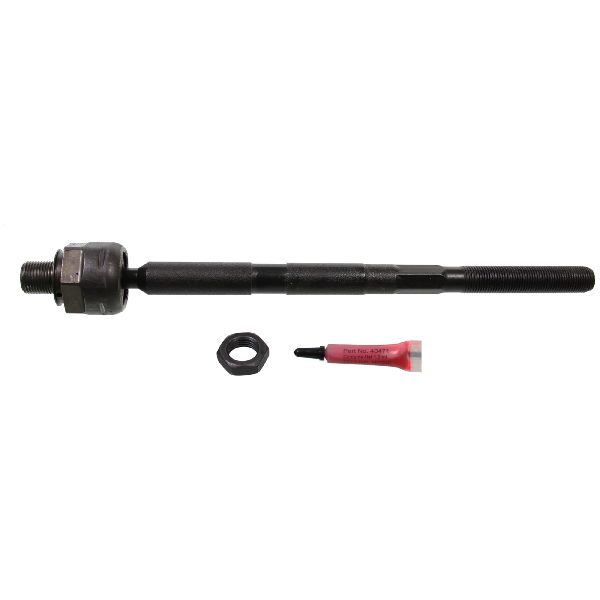
Not necessarily. You only need to replace the part that is worn. However, if you are replacing an inner tie rod, it's often cost-effective to replace the outer at the same time since the labor is nearly identical. If the outer tie rod is old, replacing it with the inner prevents needing another alignment in the near future.
Is a wheel alignment necessary after replacing a tie rod end?
Yes, absolutely. Replacing a tie rod end will change the vehicle's toe alignment setting. Driving without an alignment will cause rapid tire wear and poor handling. This is a required step after the repair is complete.
Can I replace a tie rod end myself?
Yes, this is a DIY-feasible job for someone with mechanical experience and the right tools. You will need a jack and jack stands, a good socket set, wrenches, and either a pickle fork or a tie rod puller to separate the joint. 🎬 Watch this step-by-step outer tie rod replacement walkthrough For inner tie rods, a special inner tie rod tool is highly recommended. Remember, you will still need to take the vehicle to a shop for a professional alignment afterward.
Should I replace them in pairs?
It's a good practice. Suspension parts wear at similar rates. If the driver's side tie rod has failed, the passenger's side is likely not far behind. Replacing both at the same time can save you the hassle of doing the job again soon.
Helpful Videos
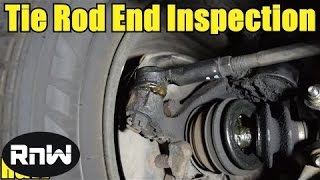
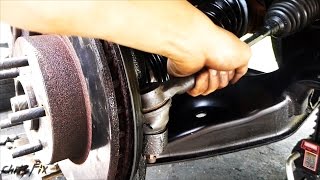
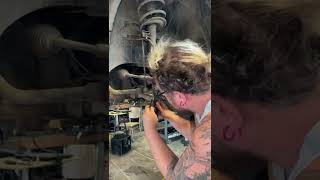
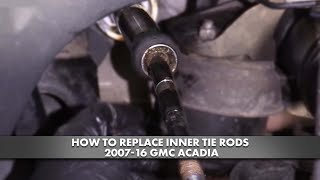
Technical Specifications
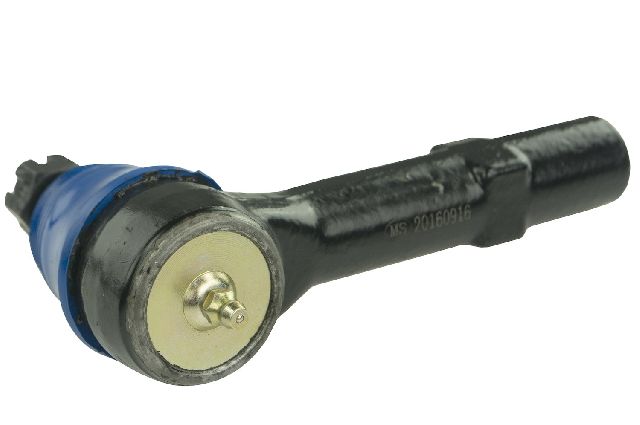
Replacement requires separating the tie rod end from the steering knuckle. Counting the threads when removing the old part can help get the alignment close for the drive to the alignment shop. An alignment is required after installation.
We Have This Part in Stock
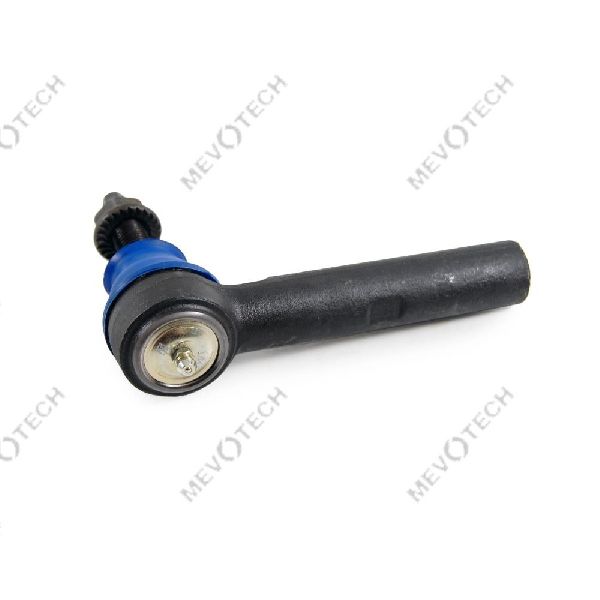

The information in this article is provided for general reference and educational purposes only. Vehicle specifications, procedures, and part compatibility can vary by production date, trim level, and region. Always consult your vehicle's factory service manual and verify part numbers before purchasing or performing repairs. Safety-critical components such as airbags, seat belts, and braking systems should be installed by a qualified professional.
- GMC Acadia: