

A Guide to Replacing Disc Brake Calipers on the 2007-2017 IC Corporation HC Integrated Commercial
Keep your commercial bus stopping safely and reliably by understanding when and how to replace your brake calipers.
- Due to the heavy-duty nature of this vehicle, professional installation by a qualified mechanic is essential for safety.
- Always replace calipers in pairs on the same axle to ensure even and safe braking.
- Choose new calipers with a protective coating (from brands like Raybestos or Dynamic Friction) to combat corrosion from road salt and moisture.
- A failing caliper is a critical safety issue that can lead to loss of braking; do not operate the vehicle if you suspect a problem.
Is Your Brake Caliper Failing? Common Symptoms
A failing brake caliper on a heavy commercial vehicle is a serious safety issue. Because these buses are subject to heavy use and exposure to road grime and de-icing chemicals, caliper components can corrode and fail. If you notice any of these signs, it's time for an inspection.
- Vehicle Pulling to One Side: When braking, a seized caliper on one side can cause the bus to pull towards the opposite side. If the caliper is stuck clamped, it can pull to the affected side even when not braking.
- Spongy or Soft Brake Pedal: This can be a sign of a fluid leak from a corroded caliper seal. You might also see brake fluid puddled near a wheel.
- Brake Dragging or Hot Wheel: A caliper piston or slide pin that is stuck can cause the brake pads to remain in contact with the rotor, creating constant friction. This leads to a burning smell, excessive heat from one wheel, and poor fuel economy.
- Visible Fluid Leaks: Puddles of brake fluid on the inside of a wheel are a clear sign of a failing caliper seal.
- Loud Noises: Squealing, clunking, or grinding sounds when you brake can indicate a problem with a seized or misaligned caliper.
Known Issues on Similar IC Bus Models
While no recalls are specific to the calipers on the 2007-2017 HC model, Navistar has issued recalls for other brake components on similar vehicles. A notable recall (NHTSA 23V398) for some 2016 CE series buses involved a leaking brake pressure switch that could pose a fire risk. Owners of 2016 models should be aware of any brake system irregularities.
Choosing the Right Aftermarket Caliper
For a commercial vehicle, choosing a quality replacement part is not just about fitment; it's about durability and safety. All the brands listed offer new parts that meet or exceed original specifications. The main difference often comes down to coatings, hardware, and quality control.
Brand Tiers for Your Vehicle
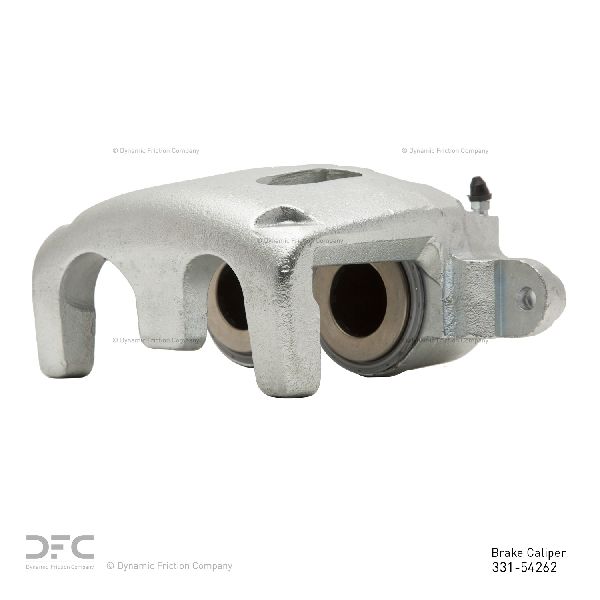
- Heavy-Duty & Premium Options (Raybestos, Dynamic Friction): Brands like Raybestos and Dynamic Friction (DFC) are excellent choices for a commercial bus. Raybestos is a well-respected name in brakes, and their new coated calipers provide an extra layer of protection against rust and corrosion, a known issue for commercial vehicles. Dynamic Friction offers specific product lines for heavy-duty and fleet use, designed to handle higher temperatures and provide longer service life under demanding conditions.
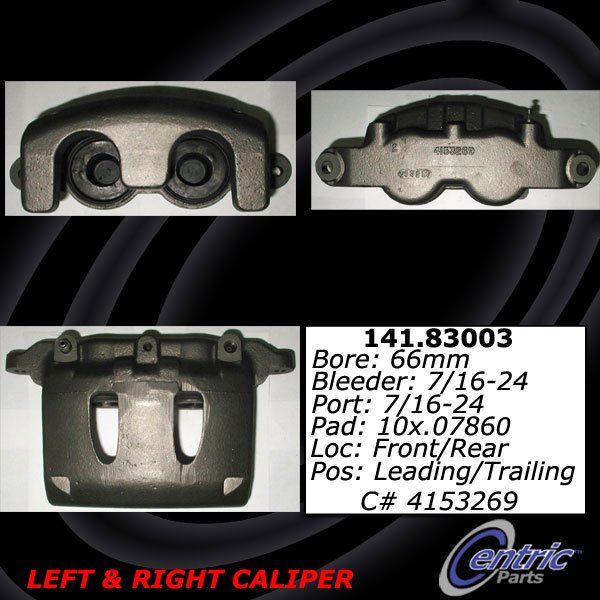
- Standard Replacement Options (Cardone, Centric): Centric is known for being a reliable remanufacturer with good quality control, making them a solid choice for standard replacement. Cardone is one of the largest remanufacturers and offers a wide range of products. While some users report long life from their parts, others have noted issues like surface rust developing quickly on non-coated models. When choosing from this tier, opting for a coated version is highly recommended.
Cost of Replacing an IC Corporation HC Brake Caliper
The cost can be broken down into parts and labor. Given the safety-critical nature of this repair on a commercial bus, professional installation is required.
| Item | Estimated Cost |
|---|---|
| New Aftermarket Caliper (Single) | $81.92 - $418.98 |
| Shop Labor (Per Axle) | $250 - $500 |
| Total Per Axle (Parts & Labor) | $415 - $1340 |
Frequently Asked Questions
Should I buy a new or remanufactured caliper?
For a commercial vehicle like the HC Integrated Commercial, a new caliper is the recommended choice. New calipers from brands like Raybestos or Dynamic Friction are built with all-new components and often feature superior anti-corrosion coatings. While remanufactured calipers from Cardone or Centric can be a budget-friendly option, their quality can be inconsistent, and they may not last as long in a heavy-duty environment.
Can I replace just one brake caliper?
It is strongly recommended to replace calipers in pairs on the same axle. Replacing only one can lead to unbalanced braking, causing the vehicle to pull to one side. A new caliper will have different performance characteristics than an old, worn one on the other side.
What other parts should I replace with the caliper?
When replacing brake calipers, you should always install new brake pads and often new brake rotors. It is also mandatory to bleed the brake system and replace the old brake fluid with new, clean fluid that meets the manufacturer's specifications (typically DOT 3 for these vehicles). Replacing the flexible brake hoses at the same time is also a good preventative measure, as they can degrade from the inside.
Is this a DIY job?
No. Replacing brake calipers on a commercial bus is a job for a qualified heavy-vehicle mechanic. The process involves lifting the vehicle safely, handling high-pressure hydraulic lines, and properly bleeding the brake system, which requires specialized tools and knowledge. Incorrect installation can lead to complete brake failure.
Technical Specifications
These vehicles are often equipped with hydraulic disc brakes using 4-piston Meritor calipers. Always verify the specific caliper configuration on your vehicle before ordering.
We Have This Part in Stock


The information in this article is provided for general reference and educational purposes only. Vehicle specifications, procedures, and part compatibility can vary by production date, trim level, and region. Always consult your vehicle's factory service manual and verify part numbers before purchasing or performing repairs. Safety-critical components such as airbags, seat belts, and braking systems should be installed by a qualified professional.
- IC Corporation HC Integrated Commercial: