

Jeep Compass A/C Refrigerant Discharge Hose Guide (2007-2017)
If your Jeep's A/C is blowing warm, a leaking discharge hose is a common cause.
- Check for the 2015 model year recall (NHTSA 15V-676) regarding a misrouted A/C hose that can contact the exhaust.
- Replacement is not a simple DIY job; the system requires professional refrigerant evacuation and recharging equipment.
- Always replace the O-ring seals at the connections and it is highly recommended to also replace the receiver/drier when the system is open.
- Symptoms include warm A/C, visible oily residue on the hose, or physical damage like cracks and abrasions.
Is Your Compass A/C Blowing Hot Air?
One of the first parts to check when your 2007-2017 Jeep Compass A/C stops cooling is the refrigerant discharge hose. This hose lives in the hot engine bay and is constantly under high pressure, which means it can wear out, crack, or get damaged over time. A leak here will let the refrigerant escape, leaving your A/C system unable to cool the air.
Recall Alert for 2015 Jeep Compass Models
There is a safety recall (NHTSA 15V-676) for some 2015 Jeep Compass vehicles with the 2.4L engine, built between October 2014 and June 2015. The factory may have routed the A/C discharge hose too close to the hot exhaust manifold. This can cause the hose to melt or degrade, leading to a refrigerant leak. Leaking A/C oil could drip onto the hot exhaust and cause underhood smoke or a fire. If you own a 2015 model, it is critical to have a dealer check if your vehicle is affected by this recall.
Symptoms of a Failing A/C Discharge Hose
Look for these common signs of a bad discharge hose:
- A/C Blows Warm Air: This is the most obvious symptom. If there isn't enough refrigerant, the system can't cool the air.
- Visible Refrigerant Leak: The refrigerant contains oil to lubricate the compressor. A leak will look like a greasy or oily residue on the hose or its connections. This oily spot will attract dirt and grime, making it easier to spot.
- Visible Damage: Look for cracks, abrasions, or bulging on the rubber sections of the hose. Damage can happen from heat, age, or rubbing against other engine parts.
- A/C Compressor Won't Turn On: Your A/C system has pressure switches that protect the compressor. If too much refrigerant leaks out, the pressure will drop, and the system will prevent the compressor from engaging to avoid damage.
Choosing the Right Aftermarket Hose
For a vehicle like the 2007-2017 Compass, a new aftermarket A/C hose offers a good balance of cost and quality. The original Mopar parts can be expensive, while a used part comes with risks and no warranty.
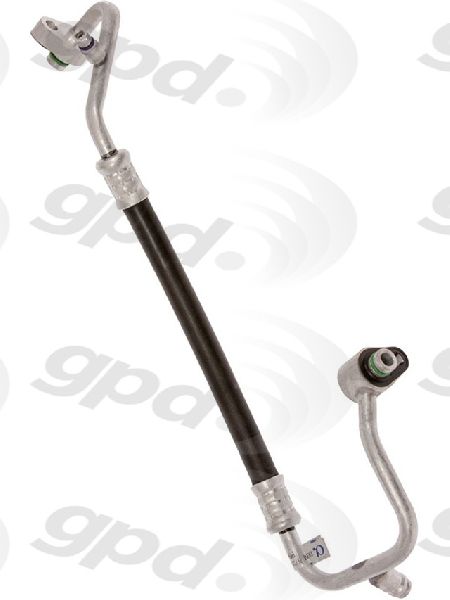
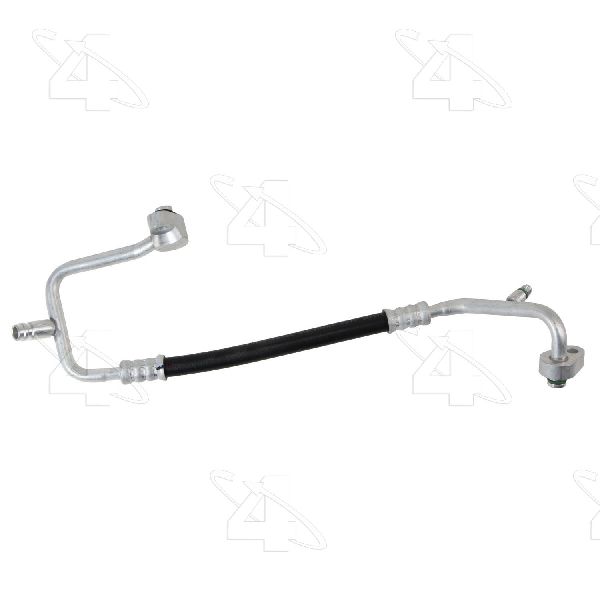
When looking at aftermarket brands like Four Seasons and Global Parts (GPD), here’s what to consider:
- Four Seasons: This is a well-known, standard-tier aftermarket brand. Quality is generally considered acceptable for the price, and they are widely available from most part stores. Some users have reported their parts lasting for years, while others have had issues, which is common for aftermarket components. They are often a reliable choice for a daily driver.
- Global Parts (GPD): This is typically an economy-focused brand. While the price is attractive, at least one user forum reported significant fitment issues with a GPD A/C line, requiring them to switch to a Four Seasons part to get a proper seal. For a part that holds high pressure, correct fitment is critical.
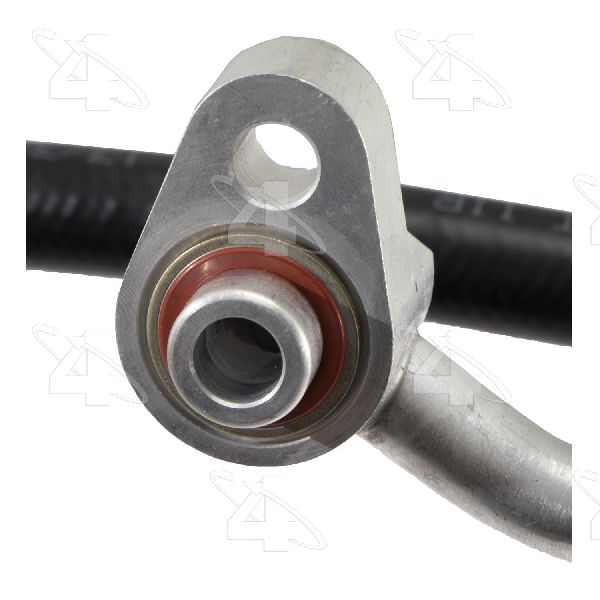
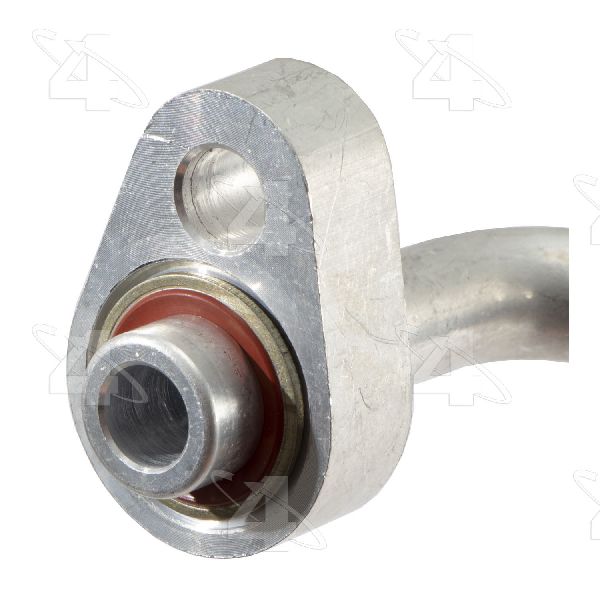
Pro Tip: Regardless of the brand, always replace the small rubber O-rings or seals at the connection points when installing a new hose. Most new hoses come with them. Reusing old, compressed seals is a common cause of leaks.
Replacement Cost
The total cost depends on whether you do the work yourself (not recommended for beginners) or use a professional shop. The A/C system must be legally and safely evacuated and recharged using special equipment.
| Part/Service | Estimated Cost |
|---|---|
| New Aftermarket Hose | $31 - $87 |
| New OEM (Mopar) Hose | $100 - $170 |
| Shop Labor (including evac/recharge) | $186 - $273 |
| Total Professional Job (Aftermarket Part) | $217 - $360 |
Frequently Asked Questions (FAQ)
Can I replace the A/C discharge hose myself?
This is not recommended for a DIY beginner. The A/C system is under high pressure and contains refrigerant that is harmful to the environment. It is illegal to release it into the atmosphere. A professional shop must use a special machine to recover the old refrigerant before work begins and then vacuum-test and recharge the system afterward.
Should I replace any other parts at the same time?
Yes. It is highly recommended to replace the receiver/drier (or accumulator) anytime the A/C system is opened to the atmosphere. This part absorbs moisture from the system, and it becomes saturated once exposed to air. Also, always install the new O-ring seals that come with the new hose to ensure a leak-free connection.
What is the difference between the discharge hose and the suction hose?
The discharge hose (or high-side hose) carries hot, high-pressure gas from the compressor to the condenser. The suction hose (or low-side hose) is larger in diameter and carries cool, low-pressure gas from the evaporator back to the compressor. They are not interchangeable.
My hose is leaking at the metal crimp. Can it be repaired?
Generally, no. The metal crimps that connect the rubber hose to the metal ends are applied with specialized factory equipment. While some hydraulic shops may offer repairs, the most reliable and long-lasting solution is to replace the entire hose assembly.
Technical Specifications
OEM Part Numbers: 68104926AA 55111217AC
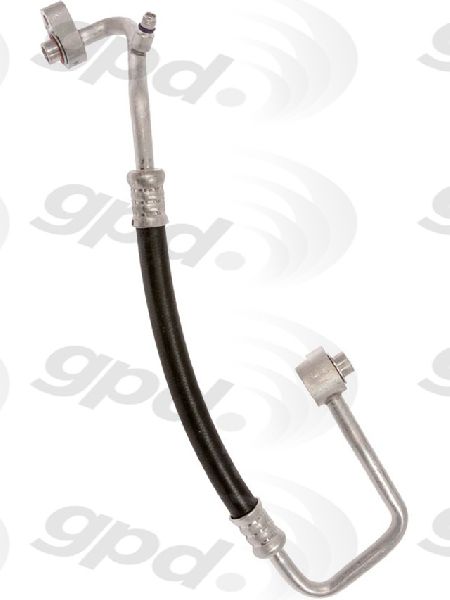
This is the high-pressure line that connects the A/C compressor outlet to the A/C condenser inlet.
We Have This Part in Stock

The information in this article is provided for general reference and educational purposes only. Vehicle specifications, procedures, and part compatibility can vary by production date, trim level, and region. Always consult your vehicle's factory service manual and verify part numbers before purchasing or performing repairs. Safety-critical components such as airbags, seat belts, and braking systems should be installed by a qualified professional.
- Jeep Compass: