

Kia Rondo Engine Crankshaft Position Sensor Guide (2007-2017)
Fix starting issues, rough idling, and stalling by understanding your Rondo's crankshaft position sensor.
- A failing crankshaft sensor is a common cause of no-start, stalling, and rough running issues on the Kia Rondo.
- The most common trouble code associated with this failure is P0335.
- For a critical electronic part, choosing a reputable aftermarket brand like NGK/NTK, Delphi, or Standard Motor Products is recommended for reliability.
- Replacement is a simple, DIY-friendly job that usually takes less than an hour with basic tools.
Is Your Kia Rondo Stalling or Hard to Start?

A failing crankshaft position sensor is a common reason for a Kia Rondo that won't start, stalls unexpectedly, or runs poorly. This sensor tells the engine's computer how fast the crankshaft is spinning, which is essential for engine timing. When it fails, the computer gets bad information, leading to a variety of engine performance problems. Replacing it is a straightforward repair that can solve major drivability issues.
Vehicle Model Year Note
The Kia Rondo was sold in the United States from 2007 to 2010. It continued to be sold in the Canadian market until 2017. This guide applies to all North American models in the 2007-2017 year range, covering both the 2.4L 4-cylinder and 2.7L V6 engines.
Symptoms of a Failing Crankshaft Sensor

When this sensor starts to go bad, the signs are usually hard to ignore. You might experience one or more of the following issues:
- Check Engine Light: This is often the first sign. A diagnostic trouble code, most commonly P0335, will be stored in the computer.
- Engine Won't Start: The engine will crank over, but it won't fire up because the computer doesn't see the crankshaft turning.
- Stalling: The engine may stall intermittently while driving or when you come to a stop. This can be dangerous.
- Rough Idle and Misfires: Your Rondo may idle poorly, vibrate, or feel like it's stumbling.
- Poor Acceleration: You might notice the car feels sluggish and lacks power when you press the gas pedal.
- Reduced Fuel Economy: When engine timing is off, fuel isn't burned efficiently, leading to worse gas mileage.
Choosing the Right Aftermarket Sensor

For a critical sensor like this, quality matters. While an OEM sensor from Kia is always an option, many aftermarket brands offer reliable parts at a better price. It's generally best to avoid the absolute cheapest, no-name options, as sensor failures can leave you stranded.
Here’s a breakdown of reputable aftermarket brands:
- Top-Tier Aftermarket (OEM-Equivalent): Brands like NGK (NTK) and Delphi are often original equipment suppliers to many automakers. They are known for their quality and reliability, making them a safe bet.
- Reputable Aftermarket: Standard Motor Products (SMP) and Beck Arnley have a long history in the aftermarket and are generally considered reliable choices. Dorman is also a popular option that often re-engineers parts to fix common factory flaws.
- Budget-Friendly: Brands like Walker Products and True Tech fall into a more budget-conscious category. While they can be a good value, long-term reliability might be less consistent than with premium brands.
Cost to Replace a Kia Rondo Crankshaft Sensor
The total cost depends on whether you do it yourself or have a shop do the work. The part itself is not very expensive.
| Expense Category | Estimated Cost |
|---|---|
| New Aftermarket Part | $27 - $94 |
| Shop Labor | $70 - $102 |
| Total Professional Replacement | $194 - $286 |
Frequently Asked Questions

Where is the crankshaft sensor located on a Kia Rondo?
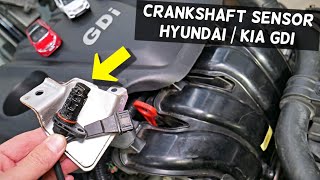
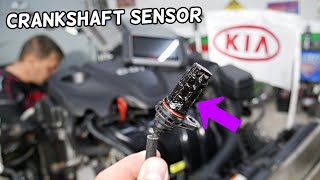
The location depends on your engine. On the 2.7L V6, it is located at the front of the engine, low down near the radiator and exhaust manifold. On the 2.4L 4-cylinder, it is typically found on the back of the engine, near where the engine and transmission meet. 🎬 Watch this video to locate the sensor on 2.4L engines. It is held in by a single 10mm bolt.
Is it difficult to replace this sensor myself?
For a DIYer with basic tools, this is a very feasible job. It involves disconnecting the electrical connector, removing one bolt, and swapping the sensor. Access can be a little tight, so you may need to raise the front of the vehicle for better access from underneath. The job typically takes less than an hour.
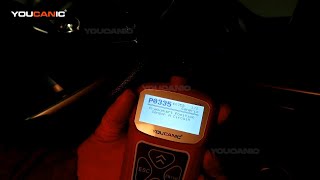
🎬 See a step-by-step walkthrough of the P0335 sensor replacement.Are there any recalls for the crankshaft sensor on the Kia Rondo?
There are no specific recalls for the crankshaft position sensor itself. However, there was a recall for some 2017 Sorento models for improperly manufactured crankshafts, which is a different issue. There was also a recall on 2008-2009 Rondos for a fuel pump issue that could cause similar symptoms like hesitation. Always check for open recalls on your specific vehicle's VIN.
Do I need to reset the computer after replacing the sensor?
Yes, after replacing the sensor, it's important to clear the diagnostic trouble codes from the engine computer using an OBD-II scanner. This will turn off the check engine light. If you don't have a scanner, many auto parts stores offer this service for free, or the light may turn off on its own after several drive cycles.
Helpful Videos
Technical Specifications
OEM Part Numbers: 3918025300 3918025200 391803E100
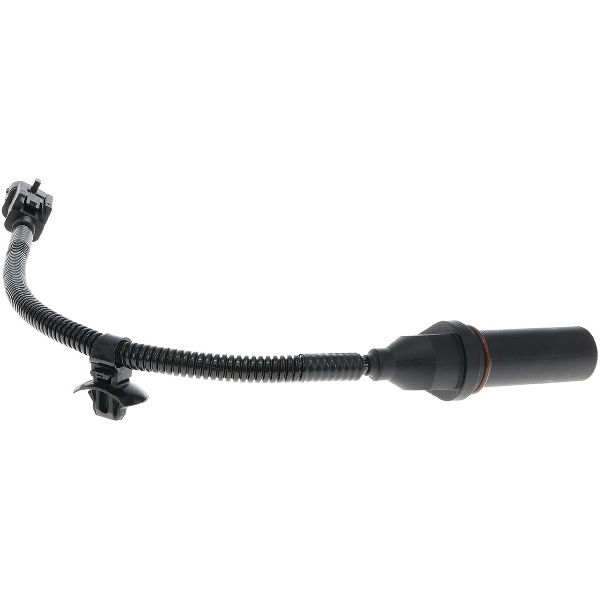
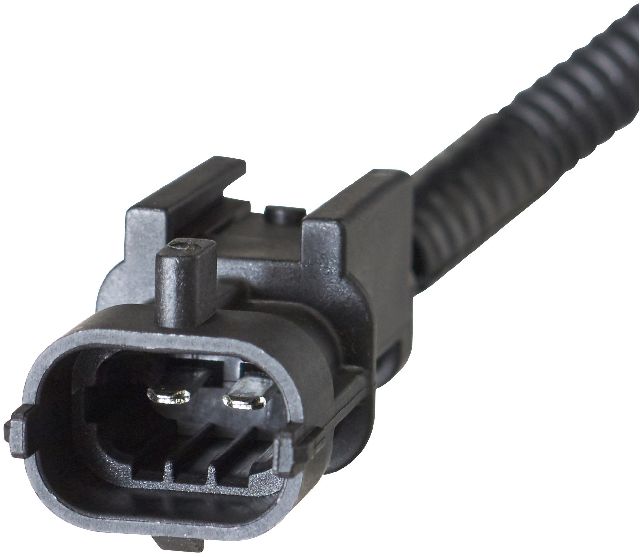
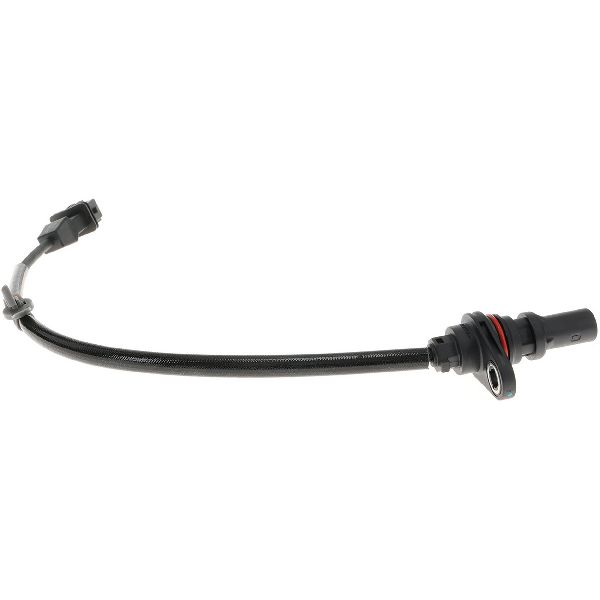
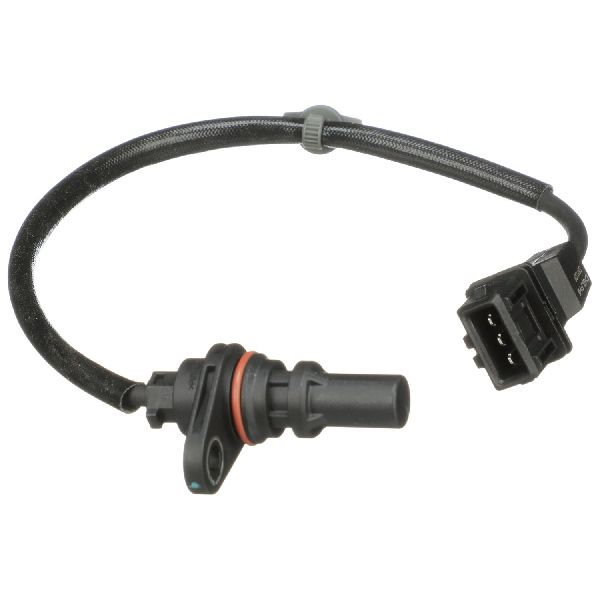
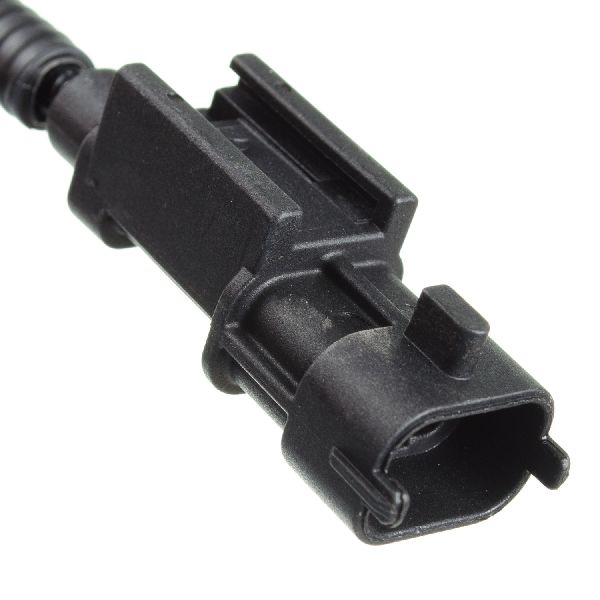
The sensor is a magnetic or hall-effect type that generates a signal based on the passing of teeth on a reluctor wheel on the crankshaft. It is a single-bolt mount with a 2 or 3-pin electrical connector.
We Have This Part in Stock


The information in this article is provided for general reference and educational purposes only. Vehicle specifications, procedures, and part compatibility can vary by production date, trim level, and region. Always consult your vehicle's factory service manual and verify part numbers before purchasing or performing repairs. Safety-critical components such as airbags, seat belts, and braking systems should be installed by a qualified professional.
- Kia Rondo: