

Toyota Highlander Engine Coolant Bypass Hose Replacement Guide (2007-2017)
Leaking coolant or overheating? Here's what you need to know about your Highlander's engine coolant bypass hose.
- The most common signs of failure are coolant leaks, a sweet smell from the engine bay, and overheating.
- Owners of 2014 Highlander Hybrids should be aware of a specific LSC regarding hoses rubbing against the steering shaft.
- Gates and Continental are reliable aftermarket brands that offer OEM-level quality for this part.
- Always use a pre-molded hose and replace the engine coolant with Toyota-specific fluid during the repair.
Symptoms of a Failing Bypass Hose
Coolant hoses are made of rubber and can crack, swell, or become brittle over time. When a coolant bypass hose starts to fail on your Highlander, you will notice specific warning signs. Ignoring them can lead to serious engine damage from overheating.
- Coolant Leaks: This is the most common sign. You might see puddles of pink or red fluid under your vehicle or notice white or pink crusty residue on the engine itself. Leaks often start small at the connection points before getting worse.
- Engine Overheating: If the hose fails completely, you will lose a significant amount of coolant quickly. This will cause the engine temperature gauge to spike into the red, which is a critical situation.
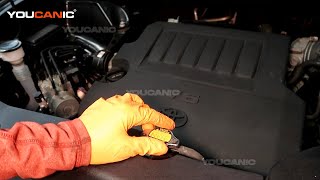
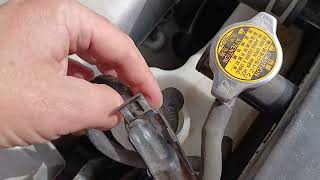
- Sweet Smell: Coolant has a distinct sweet, syrupy smell. If you notice this odor coming from 🎬 See how to safely add coolant to your 2008-2013 Highlander your engine bay, it's a sure sign of a leak, as coolant is evaporating on hot engine surfaces.
- Constantly Low Coolant: Having to top off your coolant reservoir frequently means you have a slow leak somewhere in the system. A failing bypass hose is a likely culprit.
Known Issue: 2014 Highlander Hybrid
Toyota issued a Limited Service Campaign (LSC E0P) for some 2014 Highlander Hybrid models. On these specific vehicles, two coolant hoses could be positioned too close to the steering shaft, causing them to rub and eventually leak. While this campaign officially expired in 2017, it's a known weak point to inspect if you own this particular model and year.
Choosing the Right Aftermarket Hose
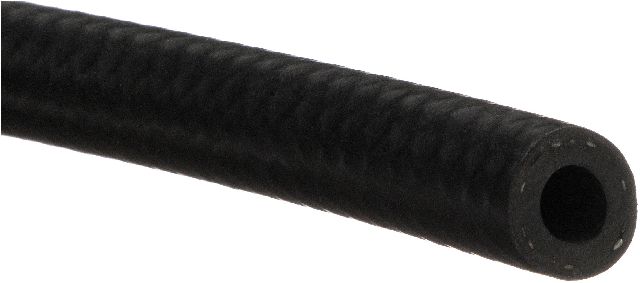
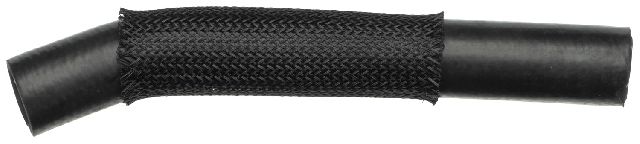
When replacing a coolant hose, you have the choice between OEM (Original Equipment Manufacturer) and aftermarket parts. For a vehicle like the 2007-2017 Highlander, high-quality aftermarket hoses offer excellent value.
- OEM (Toyota): Genuine Toyota hoses are known for their perfect fit and long life, sometimes lasting over 15 years. They are the most expensive option but serve as the quality benchmark.
- Premium Aftermarket (Gates, Continental): Brands like Gates and Continental are widely trusted by professional mechanics. They manufacture hoses that are designed to meet or exceed OEM specifications for material and fitment. For most Highlander owners, these brands provide the best balance of quality and cost.
- Standard Aftermarket (Dayco): Dayco is another available brand, often at a lower price point. However, some mechanics report that Dayco hoses can occasionally have fitment issues on Toyota vehicles, which can make installation more difficult. While they are a budget-friendly choice, be prepared to double-check the shape and fit against the old part.
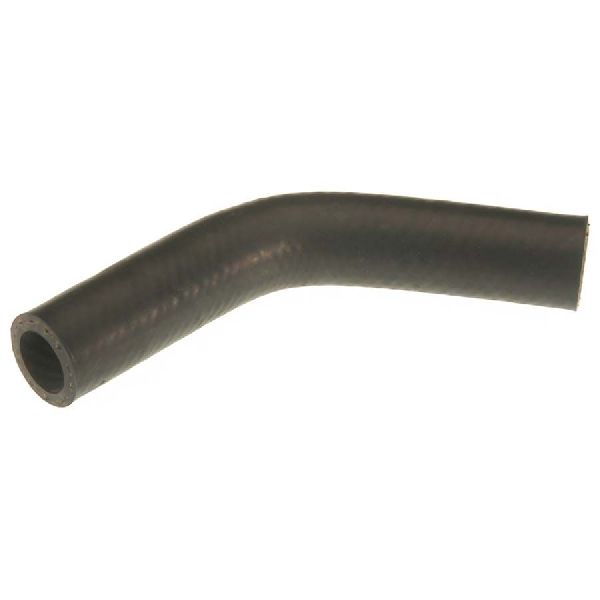
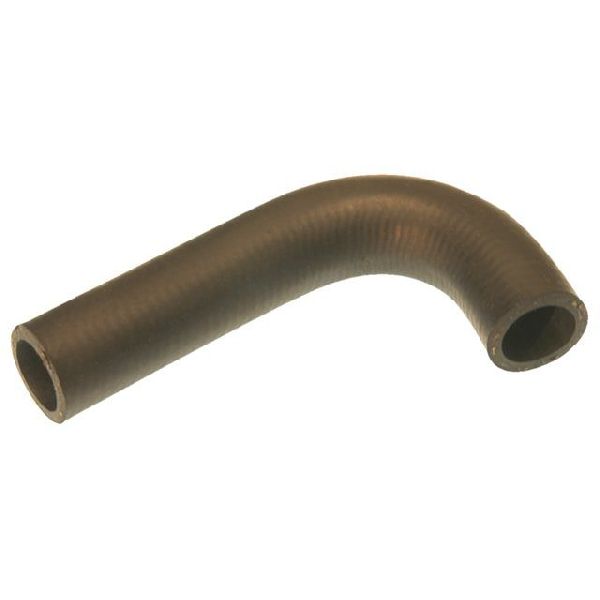
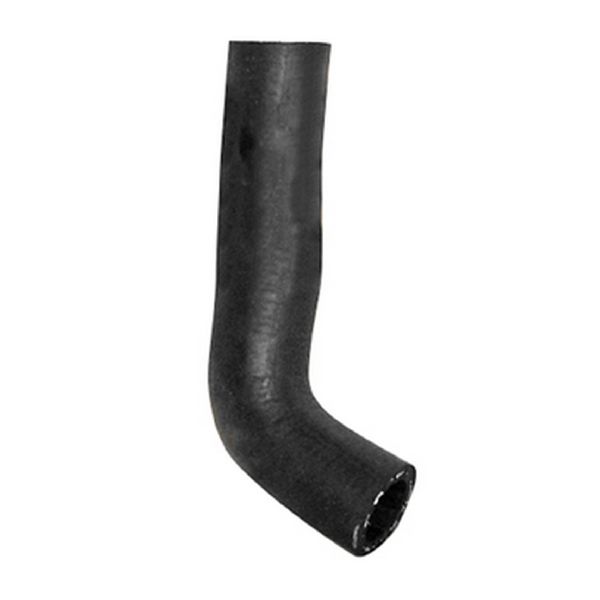
Pro Tip: Always buy a "molded" hose. These are pre-shaped to fit your Highlander's specific engine layout perfectly. Do not use a generic, straight piece of hose, as it can kink and block coolant flow.
Estimated Replacement Costs
The cost to replace an engine coolant bypass hose can vary significantly based on the hose's location. Some are easy to access, while others (especially on the V6 engine) are buried under the intake manifold and require several hours of labor to reach.
| Part/Service | Estimated Cost |
|---|---|
| New OEM Hose | $75 - $150 |
| New Aftermarket Hose | $17 - $135 |
| Shop Labor | $175 - $550 |
| Total Estimated Cost | $192 - $685 |
Cost estimates are for parts and labor and can vary by location and the specific hose being replaced.
Frequently Asked Questions
What does a coolant bypass hose do?
It allows engine coolant to circulate before the thermostat opens. This helps the engine warm up evenly and provides coolant to components like the heater core.
Can I replace just one bad hose?
Yes, but it's good practice to inspect all other coolant hoses at the same time. If they feel hard, brittle, or spongy, it's wise to replace them all at once, as they are likely the same age and condition.
Is this a difficult DIY job?
The difficulty depends entirely on the hose's location. An easily accessible hose is a simple DIY job (1-2 hours). A hose located under the intake manifold on V6 models is a difficult job that can take over 4 hours and is best left to an experienced mechanic.
Do I need to replace my coolant at the same time?
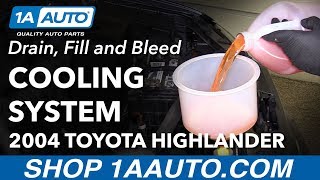
Yes. You will lose a significant amount of coolant during the replacement. It is required to refill the system with new Toyota-specific Super Long Life Coolant (pink) and properly bleed the air out 🎬 Watch: Step-by-step guide to draining and bleeding the cooling system of the system to prevent overheating.
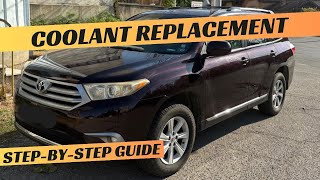
Helpful Videos
Technical Specifications
OEM Part Numbers: 16279-25010 16260-F0021 16261-F0012
Part numbers vary significantly by specific model year, engine (2.7L L4 or 3.5L V6), and hose location. Always verify the exact part number with your vehicle's VIN. Hoses are typically made from EPDM rubber and are pre-molded to fit.
We Have This Part in Stock


The information in this article is provided for general reference and educational purposes only. Vehicle specifications, procedures, and part compatibility can vary by production date, trim level, and region. Always consult your vehicle's factory service manual and verify part numbers before purchasing or performing repairs. Safety-critical components such as airbags, seat belts, and braking systems should be installed by a qualified professional.
- Toyota Highlander: