

Audi Q7 (2007-2018) Fuel Pressure Sensor: A Complete Guide
If your Q7 is stalling, hesitating, or showing an EPC light, a faulty fuel pressure sensor could be the reason.
- Your Q7 has two fuel pressure sensors (low and high); a diagnostic scan is crucial to identify which one has failed.
- A known TSB exists for the low-pressure sensor (G410) failing due to fuel intrusion; check for an updated part number (06E 906 051 K).
- Symptoms like stalling and limp mode are serious; address them promptly to avoid being stranded.
- For this critical part, choosing a premium aftermarket brand like Bosch or Febi is a wise investment over economy options.
Understanding Fuel Pressure Sensor Failure in Your Q7

A failing fuel pressure sensor can cause a range of frustrating problems, from a simple check engine light to sudden engine stalling. Because your 2007-2018 Audi Q7 has both a low-pressure and a high-pressure sensor, identifying the symptoms and associated trouble codes is the first step to getting the right replacement part.
Common Symptoms of a Bad Fuel Pressure Sensor:
- Check Engine Light or EPC Light: This is often the first warning. Codes like P0087, P008B, or P0191 are common.
- Engine Stalling: The engine may stall unexpectedly, especially at idle or when coming to a stop.
- Hard Starting: The engine may take longer than usual to start, or you might have to crank it multiple times.
- Reduced Engine Power: Your Q7 may feel sluggish and accelerate poorly. The car might go into "limp mode," limiting RPMs to prevent damage.
- Rough Idle: The engine may shake or idle unevenly.
- Poor Fuel Economy: A bad sensor can cause the engine to run too rich, wasting fuel.
Known Issues: Low-Pressure Sensor (G410) TSB
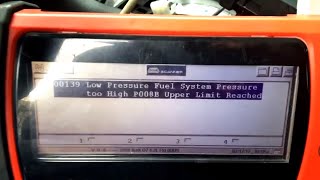
Audi has issued a Technical Service Bulletin (TSB) for a known issue with the low-pressure fuel sensor (G410) on many models, including the Q7. The original sensor can allow fuel to get inside, causing it to send incorrect signals to the computer. This often triggers codes like P008B (pressure too high) or P310B. 🎬 Watch: How to fix low pressure fuel system too high codes. The recommended fix is to replace it with an updated part (OEM part number 06E 906 051 K).
High-Pressure vs. Low-Pressure: Choosing the Right Sensor

Before buying a part, it's critical to know which sensor has failed. A diagnostic scan is the best way to find out.
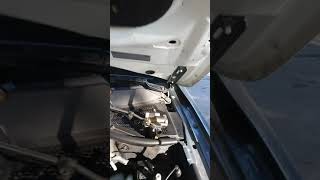
- Low-Pressure Sensor (G410): Often fails due to the issue described in the TSB. It's typically easier to access and replace, located in the engine bay on a low-pressure fuel line. Codes often point to pressure being too high or out of range (P008B, P2540).
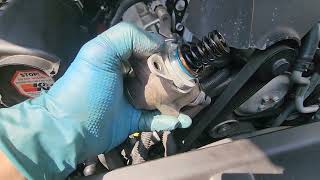
- High-Pressure Sensor: This sensor is mounted directly on the high-pressure fuel rail. It is often much harder to access, sometimes requiring removal of the intake manifold. Failure commonly triggers a P0087 (Fuel Rail/System Pressure - Too Low) or P0191 (Fuel Rail Pressure Sensor Circuit Range/Performance) code. 🎬 See this walkthrough for replacing the high pressure sensor on a 4.2L.
Choosing an Aftermarket Fuel Pressure Sensor

For a critical component like a fuel pressure sensor, quality matters. While OEM is always an option, several aftermarket brands offer a good balance of price and reliability.
Brand Quality Tiers:
- Premium Aftermarket (OEM-Equivalent): Brands like Bosch and Febi are often the original equipment manufacturers for Audi. Choosing these brands gives you OEM quality, often at a lower price than the dealer part. They are highly recommended for reliability.
- Standard Aftermarket: Brands like Standard Ignition (SMP), Dorman, and Vemo offer a mid-range option. They are generally reliable and a good choice for a balance of cost and quality.
- Economy Aftermarket: Brands like URO Parts, Global Parts, and other "Replacement" branded parts are the most affordable. While tempting, be aware that some users report issues with seals or premature failure with budget sensors on European vehicles. They may be suitable for a budget-conscious repair, but carry a higher risk.
Cost of Replacing an Audi Q7 Fuel Pressure Sensor
| Part/Service | Estimated Cost |
|---|---|
| New OEM Sensor | $60 - $300 |
| New Aftermarket Sensor | $32 - $228 |
| Shop Labor | $150 - $450+ |
| Total Estimated Cost | $182 - $750+ |
Frequently Asked Questions

Can I replace the fuel pressure sensor myself?
It depends. The low-pressure sensor (G410) is often accessible in the engine bay and can be replaced by a DIYer with basic tools in about an hour. However, the high-pressure sensor is usually located under the intake manifold, making it a much more difficult job that can take several hours and is best left to an experienced mechanic.
What does the code P0087 mean on my Audi Q7? 🎬 Watch: Diagnosing the P0087 code on an Audi Q7 TDI.
P0087 means "Fuel Rail/System Pressure - Too Low." This is a very common code for a failing high-pressure fuel sensor. However, it can also be caused by a failing high-pressure fuel pump (HPFP), a bad fuel pressure regulator, or even a clogged fuel filter. Proper diagnosis is needed to avoid replacing the wrong part.
What is the difference between the low-pressure and high-pressure sensor?
The low-pressure sensor monitors fuel coming from the tank (around 50-80 PSI). The high-pressure sensor monitors fuel in the fuel rail after it has been pressurized by the HPFP for direct injection, which can be over 2,000 PSI. They are in different locations, have different part numbers, and are not interchangeable.
Should I clear the codes after replacing the sensor?
Yes. After replacing the sensor, you should use an OBD2 scanner to clear the diagnostic trouble codes from the ECU. For some models, an adaptation procedure may also be recommended to make sure the system recognizes the new sensor correctly.
Helpful Videos
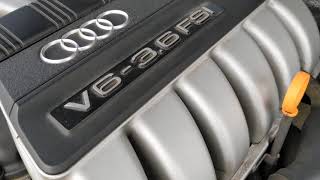
Technical Specifications
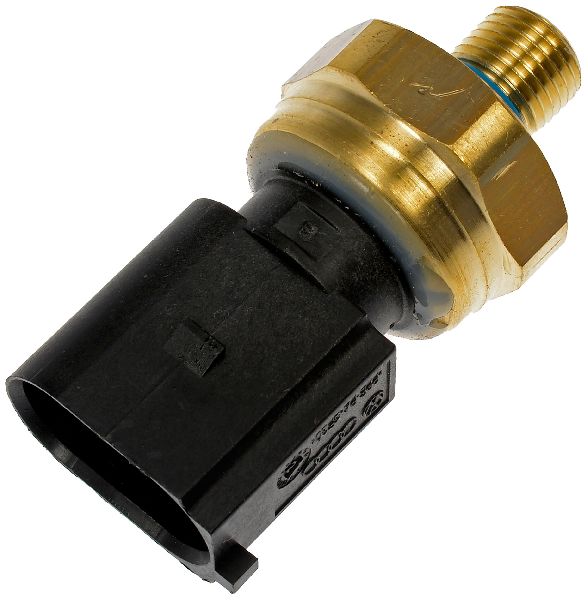
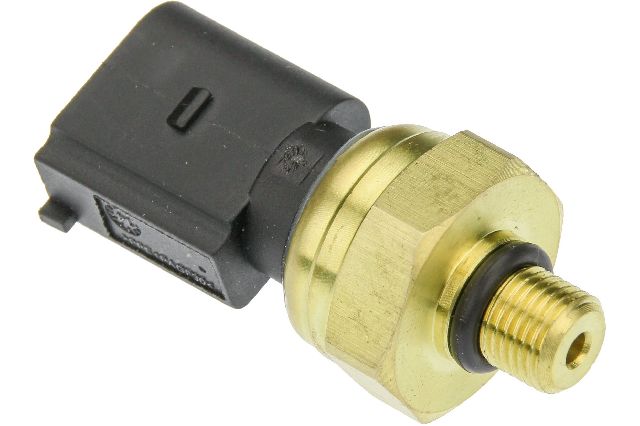
OEM Part Numbers: 06E906051K 06J906051C 03C906051C 06H906051A 0261545059
The 2007-2018 Audi Q7 utilizes both a low-pressure sensor (G410) for the supply line and a high-pressure sensor for the direct injection fuel rail. The correct part depends on your specific engine (e.g., 3.6L FSI, 4.2L FSI, 3.0T TFSI, 3.0L TDI) and which sensor has failed. The low-pressure sensor is a common failure point with an updated OEM part available.
We Have This Part in Stock


The information in this article is provided for general reference and educational purposes only. Vehicle specifications, procedures, and part compatibility can vary by production date, trim level, and region. Always consult your vehicle's factory service manual and verify part numbers before purchasing or performing repairs. Safety-critical components such as airbags, seat belts, and braking systems should be installed by a qualified professional.
- Audi Q7:
- 🎬 Helpful Videos
- 🛍️ Shop This Part
- Understanding Fuel Pressure Sensor Failure in Your Q7
- Common Symptoms of a Bad Fuel Pressure Sensor:
- Known Issues: Low-Pressure Sensor (G410) TSB
- High-Pressure vs. Low-Pressure: Choosing the Right Sensor
- Choosing an Aftermarket Fuel Pressure Sensor
- Cost of Replacing an Audi Q7 Fuel Pressure Sensor
- Frequently Asked Questions
- 🎟️ Get 5% Off