

A Mechanic's Guide to Replacing Brake Pads on the 2007-2018 Ford Edge
Stop the guesswork and choose the right aftermarket brake pads for your Edge the first time.
- Listen for squealing or grinding noises, as these are the first signs your brake pads are worn.
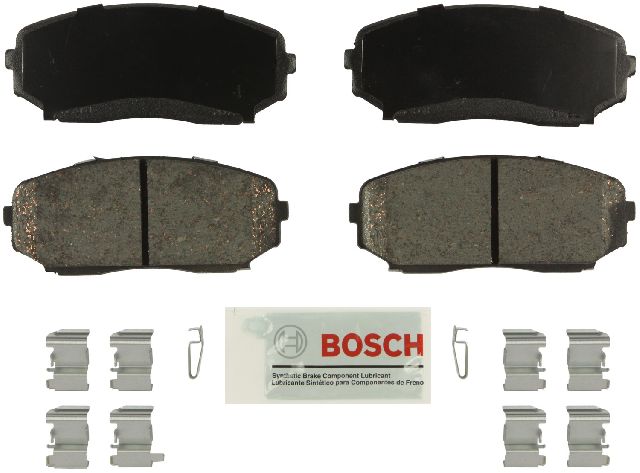
- For most drivers, high-quality ceramic pads from brands like Akebono, Bosch, or PowerStop offer a great balance of quiet operation and low dust.
- Be aware of recalls for brake hoses on 2015-2018 models and potential brake booster issues on earlier models, as these can affect braking safety.
- Always inspect your brake rotors when changing pads and replace them if they are worn, grooved, or warped.
Is It Time for New Brake Pads?


Your Ford Edge will give you clear signs when its brake pads are getting low. Ignoring these can lead to more expensive repairs, like needing new rotors or calipers. Be aware of these common symptoms.
Symptoms of Worn Brake Pads:
- Squealing or Grinding Noises: A high-pitched squeal when you brake is often the first sign. This sound comes from a small metal tab called a wear indicator. If you hear a deeper grinding sound, it means the pads are completely worn out and metal is grinding against metal, which can damage your brake rotors.
- Longer Stopping Distances: If you notice it takes more time and distance to stop your Edge, your brake pads are likely worn and not creating enough friction.
- Spongy or Soft Brake Pedal: A brake pedal that feels soft, spongy, or goes closer to the floor than usual can indicate worn pads or other issues in the brake system. Some Edge owners, particularly with the 2013 model year, have reported a spongy pedal that sometimes requires a second press to feel firm. While this can be a sign of worn pads, it has also been linked to problems with the brake booster or Hydraulic Control Unit (HCU) on some models.
- Vibration in the Steering Wheel or Pedal: If you feel a pulsing or vibration when you apply the brakes, it could mean your brake rotors have been warped by heat from worn-out pads.
Important Note on Ford Edge Brake System Issues
While this guide focuses on brake pads, be aware of related recalls and service campaigns. Ford issued recalls for front brake jounce hoses on 2015-2018 models (NHTSA Campaign #20V469000) and rear brake jounce hoses on 2015-2018 models, which could rupture and cause a loss of brake fluid and stopping power. Additionally, many owners of 2011-2013 models have reported issues with the brake booster, leading to a hard pedal or a pedal that goes to the floor. If you experience a sudden change in braking performance, it's critical to have the entire system inspected by a professional.
Choosing the Right Aftermarket Brake Pads
When replacing your brake pads, you don't have to buy from the dealer. Aftermarket brands often provide excellent quality and can be tailored to your driving style. The original factory pads on the Ford Edge are made by Motorcraft and are known for their long life. However, aftermarket options can offer benefits like less dust or better performance.
Brake pads are generally made from three types of material:
- Ceramic: These are a popular choice for daily driving. They are quiet, produce very little brake dust, and are gentle on rotors. Brands like Akebono, Bosch, and PowerStop's Z23 series are well-regarded ceramic options.
- Semi-Metallic: These pads offer stronger braking performance and are better at handling heat, making them a good choice if you tow or drive aggressively. The trade-off is often more noise and brake dust.
- Organic (NAO): These are typically the quietest and cheapest but wear out faster and create more dust. They are less common for a vehicle the size of the Edge.
Brand Tiers for Your Ford Edge
Based on owner feedback and performance reviews, here’s how some popular brands stack up for the 2007-2018 Edge:
- OEM / Premium Aftermarket (Great for Most Drivers): Motorcraft pads are the factory-installed choice and offer reliable, long-lasting performance. Akebono and Bosch QuietCast are top-tier aftermarket ceramic pads known for being extremely quiet and low-dust, making them a great upgrade for daily driving.
- Performance / Heavy-Duty (For Towing & Spirited Driving): PowerStop Z23 or Z36 kits are a popular all-in-one upgrade that includes pads and rotors. The carbon-fiber ceramic formula provides a strong bite with low dust. Hawk LTS pads are also highly recommended for trucks and SUVs, offering excellent stopping power, especially when towing.
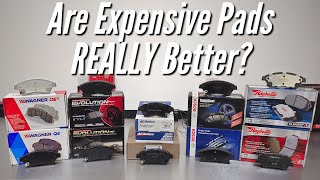
- Daily Driver / Value (Good Quality, Good Price): Brands like Wagner, Raybestos Element3, and Centric offer a solid balance of performance and value. 🎬 Watch a comparison of how these popular brake pad brands perform. They are a dependable choice for normal, everyday use.
- Economy: While the lowest-priced options can be tempting, they often lead to issues like noise, excessive dust, and shorter life. It's usually worth spending a little more for a pad from a reputable brand.
Pro Tip: Always Inspect or Replace Rotors
When you replace your brake pads, it's the perfect time to inspect your brake rotors. If they are below the minimum thickness specification, have deep grooves, or show signs of warping (vibration when braking), they must be replaced. Installing new pads on bad rotors will cause noise, poor performance, and rapid pad wear.
Frequently Asked Questions (FAQ)

How often do I need to replace my Ford Edge's brake pads?
There is no set mileage. It depends entirely on your driving habits, the type of driving you do (city vs. highway), and the quality of the brake pads. Some owners report getting over 80,000 miles on original Motorcraft pads, while others may need replacement sooner. The best approach is to have them inspected annually or whenever you hear brake noise.
Should I replace front and rear brake pads at the same time?
Not necessarily. The front brake pads on the Ford Edge typically wear out faster than the rears because they handle most of the braking force. You only need to replace the pads on the axle (front or rear) that are worn down.
What is "bedding in" new brakes and do I need to do it?
Bedding in, or breaking in, is a process of heating up your new pads and rotors to transfer an even layer of friction material to the rotor surface. This ensures smooth, quiet, and powerful braking. Most manufacturers provide specific instructions, but it typically involves a series of controlled stops from moderate speeds. Following the procedure is highly recommended for best performance.
My new brakes are squeaking. What did I do wrong?
New brake squeal is often caused by vibration between the pad and the caliper. Common causes include not using new hardware clips, failing to apply brake grease to the back of the pads and caliper slide pins, or a sticking caliper. Sometimes, cheaper pads are also more prone to noise.
Helpful Videos
Technical Specifications
OEM Part Numbers: BT4Z2001B BRF901 BR1258C
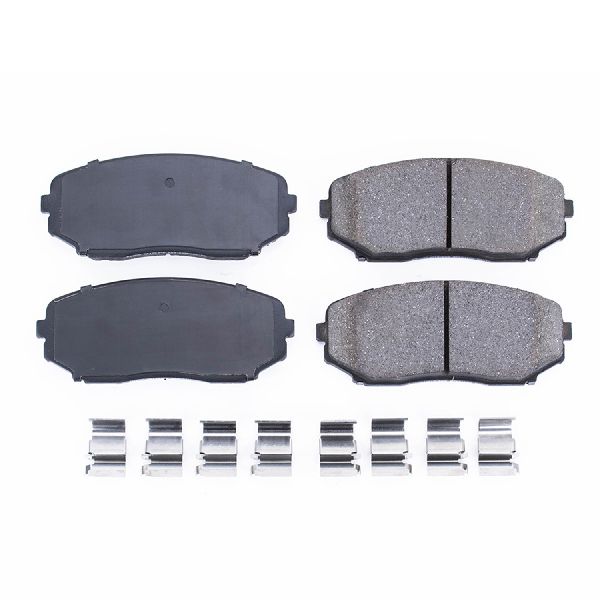
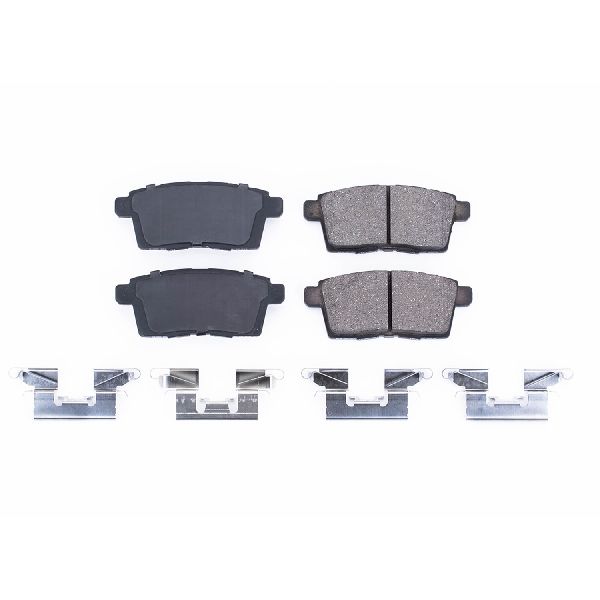
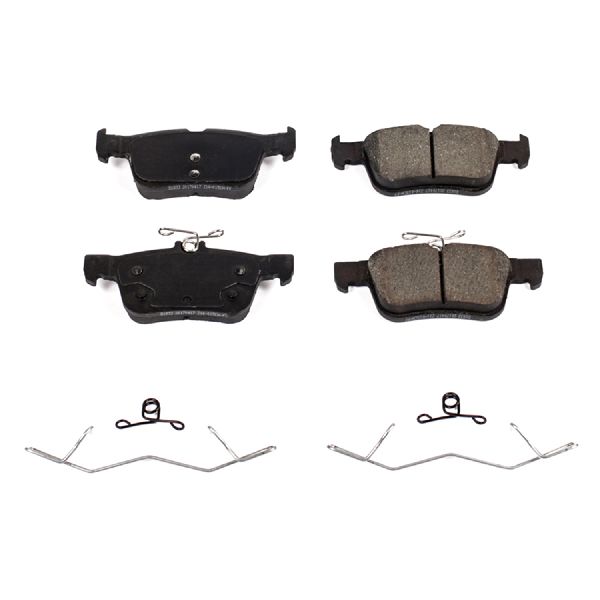
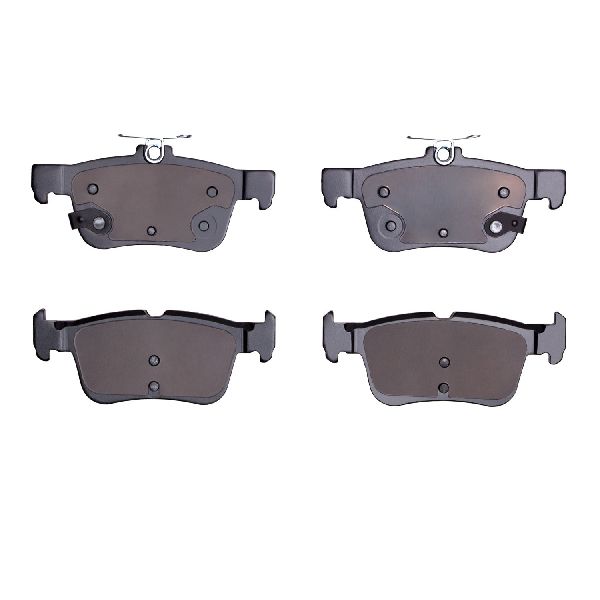
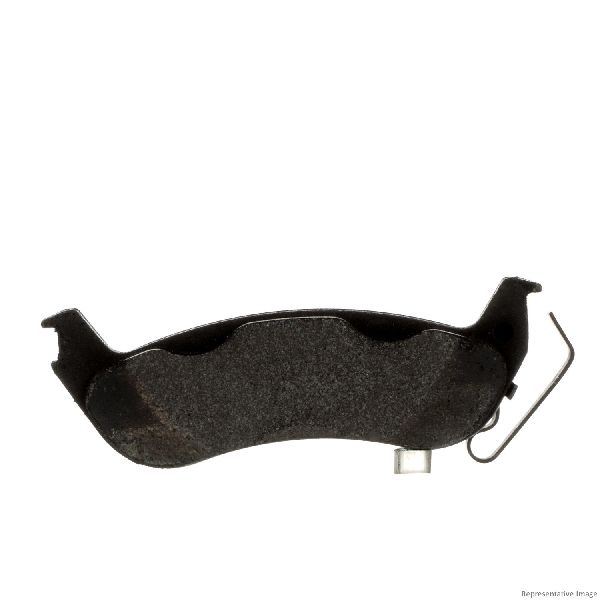
Brake pad material is the most important specification. For the Ford Edge, ceramic pads are recommended for daily driving due to low noise and dust. Semi-metallic pads are better for heavy-duty use or towing. Always ensure the pads you purchase are specified for your exact model year and trim (SE, SEL, Sport, etc.) as caliper and pad sizes can vary.
We Have This Part in Stock

The information in this article is provided for general reference and educational purposes only. Vehicle specifications, procedures, and part compatibility can vary by production date, trim level, and region. Always consult your vehicle's factory service manual and verify part numbers before purchasing or performing repairs. Safety-critical components such as airbags, seat belts, and braking systems should be installed by a qualified professional.
- Ford Edge:
- 🎬 Helpful Videos
- 🛍️ Shop This Part
- Is It Time for New Brake Pads?
- Symptoms of Worn Brake Pads:
- Important Note on Ford Edge Brake System Issues
- Choosing the Right Aftermarket Brake Pads
- Brand Tiers for Your Ford Edge
- Pro Tip: Always Inspect or Replace Rotors
- Frequently Asked Questions (FAQ)
- 🎟️ Get 5% Off