

GMC Acadia (2007-2018) HVAC Pressure Transducer Guide
Is your Acadia's A/C blowing warm or cutting out? Your HVAC pressure transducer might be the problem.
- A bad pressure transducer is a common cause of A/C failure in the Acadia, with symptoms like warm air or intermittent cooling.
- Replacement is often a simple DIY task because the port usually has a Schrader valve, preventing the need to recharge the system.
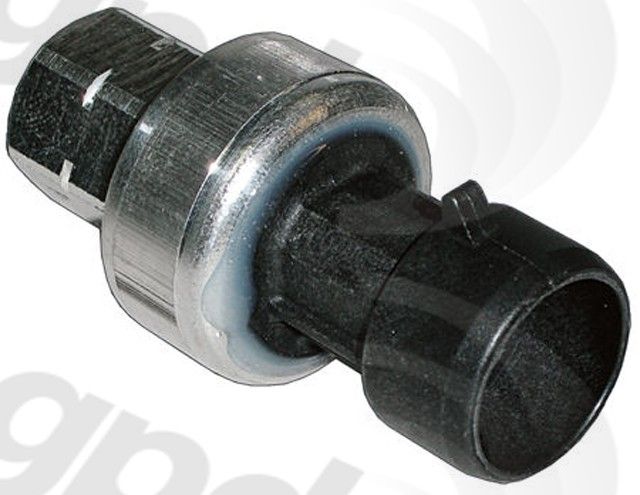
- Aftermarket brands like Four Seasons and Global Parts are cost-effective alternatives for this specific part.
- There are no specific recalls for this part; failure is typically due to age and normal wear.
Is Your Acadia's A/C Acting Up?

If the air conditioning in your 2007 to 2018 GMC Acadia isn't performing like it used to, a faulty HVAC pressure transducer could be the culprit. This sensor is a common failure point in many A/C systems. Its job is to protect the A/C compressor, the most expensive part of the system, by shutting it down if refrigerant pressure is unsafe. When the sensor goes bad, it can send incorrect signals, causing the whole system to stop working even if the refrigerant level is fine.
Common Symptoms of a Bad HVAC Pressure Transducer

A failing pressure transducer in your Acadia will usually show one or more clear symptoms:
- A/C Blows Warm Air: The most common sign. The sensor incorrectly tells the compressor not to engage, so the refrigerant doesn't circulate to create cold air.
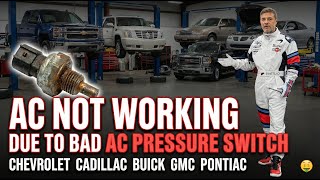
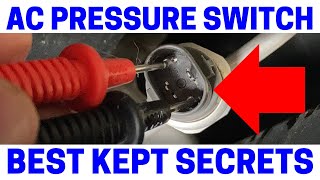
- Intermittent Cooling: The A/C works for a little while, then cuts out, then maybe comes back on again. This happens when the sensor is sending erratic signals to the computer. 🎬 See this guide on how to easily check A/C pressure switches.
- A/C Compressor Clutch Won't Engage: You turn on the A/C, but you never hear the distinct "click" of the compressor clutch engaging 🎬 Watch: How to identify bad pressure switch symptoms and replace it. under the hood. The pressure switch is the primary safety device that allows the compressor to turn on.
- Blinking A/C Light: On some GM vehicles, a blinking A/C indicator light can signal that the system has detected a fault, often related to pressure issues.
Part Cost Comparison
| Part Type | Estimated Cost |
|---|---|
| New OEM (ACDelco) | $50 - $85 |
| New Aftermarket (Four Seasons, Global Parts) | $40 - $50 |
| Shop Labor | $65 - $125 |
Prices are estimates and can vary based on supplier and location. Labor costs assume a straightforward replacement.
Choosing Your Aftermarket Replacement: Four Seasons vs. Global Parts

For a part like the HVAC pressure transducer, an aftermarket replacement is a practical choice for many Acadia owners. The cost savings are significant compared to the OEM part, and the function is straightforward. Both Four Seasons and Global Parts (GPD) are established names in the aftermarket A/C parts world.
- Four Seasons: A long-standing brand in the HVAC parts industry. Forum discussions show mixed reviews; some mechanics trust their new components, while others are wary of aftermarket quality in general. For a simple sensor, they are generally considered a reliable, budget-friendly option.
- Global Parts (GPD): Another common aftermarket supplier often seen as a direct competitor to Four Seasons. They provide a cost-effective alternative to the original part.
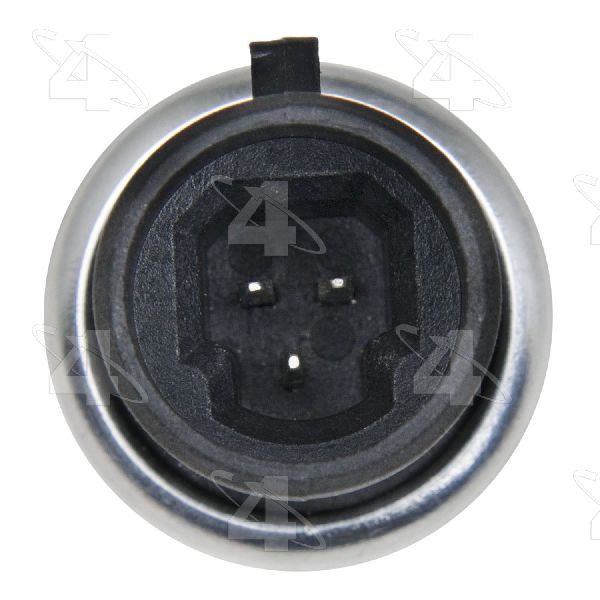
Pro Tip: For this repair, both Four Seasons and Global Parts are suitable aftermarket choices. The quality difference between them for a simple electronic sensor is likely minimal. The most important factor is ensuring the part has the correct thread size and electrical connector for your Acadia's specific year.
Installation & Replacement Info

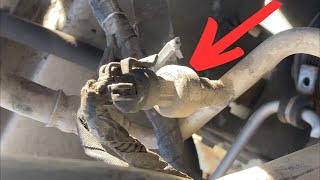
The HVAC pressure transducer is located on one of the aluminum A/C lines in the engine bay, typically near the front of the vehicle. It has an electrical connector and threads directly into a port on the line.
Important Replacement Note
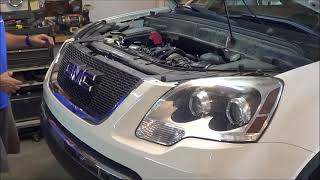
Many GM vehicles, including the Acadia, have a Schrader valve in the A/C line port where this sensor screws in. This valve works like the one on your tires, preventing refrigerant from escaping when the sensor is removed. If your vehicle has this valve, you can replace the sensor without needing to evacuate and recharge the entire A/C system, making it a very simple DIY job. 🎬 Watch: Step-by-step sensor replacement walkthrough for your GM vehicle. However, it's wise to wear safety glasses and gloves, as a small, brief spray of refrigerant can occur. If the port does not have a Schrader valve, the system must be professionally evacuated before replacing the part and recharged after.
Known Issues, Recalls, and TSBs
There are no active recalls from the NHTSA for the HVAC pressure transducer on the 2007-2018 GMC Acadia. While there are several Technical Service Bulletins (TSBs) for A/C-related issues like blowing warm air, none point to a specific, widespread defect with the pressure transducer itself. A failure of this part is typically due to normal wear and tear over time.
Frequently Asked Questions (FAQ)
Can I drive my Acadia with a bad HVAC pressure transducer?
Yes. A bad pressure transducer will only affect the operation of your air conditioning. It will not prevent the vehicle from being driven safely.
Do I need to get my A/C recharged after replacing this sensor?
Most likely, no. These sensors are often installed on ports with a Schrader valve, which prevents refrigerant from escaping during replacement. You can confirm by quickly unscrewing the old sensor; if you only hear a tiny puff of gas, you can proceed. If refrigerant starts escaping continuously, tighten it immediately as your system will need to be evacuated by a professional.
Is an OEM sensor better than an aftermarket one?
OEM parts guarantee a perfect fit and original quality, but at a higher price. For a simple sensor like this, a reputable aftermarket brand like Four Seasons or Global Parts offers a very similar level of performance and reliability for a fraction of the cost, making it a smart choice for most owners.
My A/C is blowing warm, but I replaced the sensor and it didn't fix it. What else could it be?
Warm A/C can be caused by many issues. The most common is a low refrigerant level due to a leak somewhere else in the system. Other potential causes include a bad A/C compressor, a clogged cabin air filter, or an electrical issue. If a new sensor doesn't solve the problem, the system should be checked for leaks by a qualified technician.
Helpful Videos
Technical Specifications
OEM Part Numbers: 13587665 13502759 22678731
Thread Size: M10-1.25 Female. Connector: 3-Pin Rectangular.
We Have This Part in Stock

The information in this article is provided for general reference and educational purposes only. Vehicle specifications, procedures, and part compatibility can vary by production date, trim level, and region. Always consult your vehicle's factory service manual and verify part numbers before purchasing or performing repairs. Safety-critical components such as airbags, seat belts, and braking systems should be installed by a qualified professional.
- GMC Acadia:
- 🎬 Helpful Videos
- 🛍️ Shop This Part
- Is Your Acadia's A/C Acting Up?
- Common Symptoms of a Bad HVAC Pressure Transducer
- Part Cost Comparison
- Choosing Your Aftermarket Replacement: Four Seasons vs. Global Parts
- Installation & Replacement Info
- Important Replacement Note
- Known Issues, Recalls, and TSBs
- Frequently Asked Questions (FAQ)
- 🎟️ Get 5% Off