

GMC Sierra 2007-2018 Serpentine Belt: A Complete Replacement Guide
Everything a Sierra owner needs to know about identifying and replacing a worn serpentine belt.
- A squealing noise is the most common sign of a failing serpentine belt; inspect it immediately.
- For a lasting repair, replace the belt tensioner and idler pulleys at the same time as the belt.
- Premium aftermarket brands like Gates and Continental offer excellent quality and durability.
- Always confirm the correct belt length for your Sierra's specific engine and options before purchasing.
Signs Your Sierra's Serpentine Belt is Failing
A failing serpentine belt usually gives you plenty of warning before it breaks completely. Ignoring these signs can leave you stranded. Here’s what to look and listen for:
- Squealing or Chirping Noises: This is the most common symptom. A high-pitched squeal, especially when you start the engine or during acceleration, often means the belt is slipping because it's worn or the tensioner is weak.
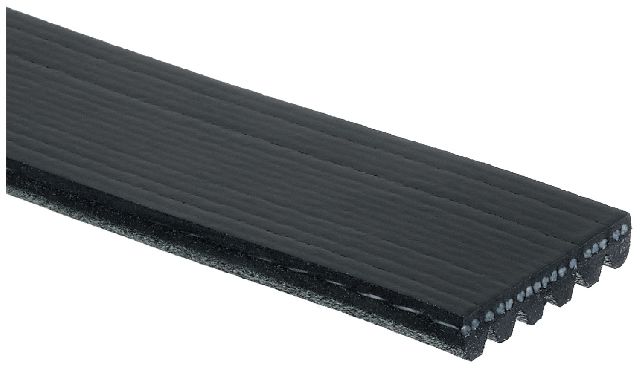
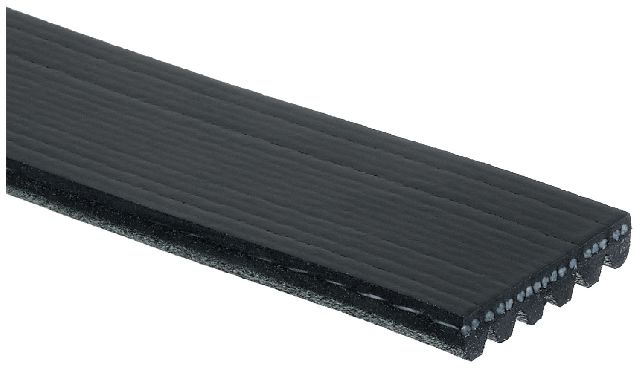
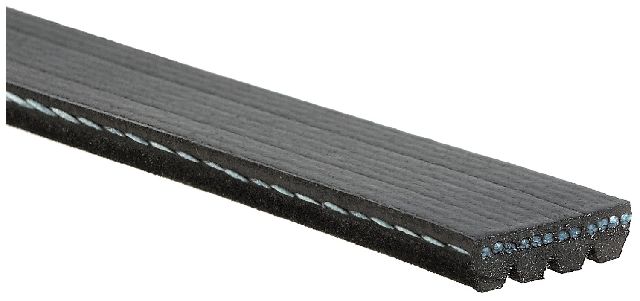
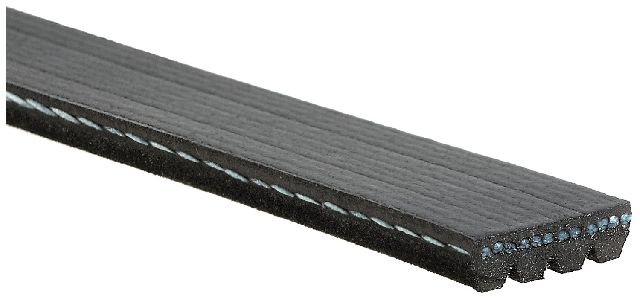
- Visible Wear and Tear: Pop the hood and look at the belt. If you see cracks, frayed edges, missing ribs, or a shiny, glazed surface, it’s time for a replacement.
- Accessory Problems: If you notice dimming headlights, a battery warning light, difficult steering, or your A/C blowing warm air, the belt may not be properly powering the alternator, power steering pump, or A/C compressor.
- Engine Overheating: The belt drives the water pump, which circulates coolant. If the belt slips or breaks, the engine can overheat quickly, leading to serious damage.
A Note on Belt Tensioners and Idler Pulleys
Often, a noisy or failing belt is just a symptom of another problem: a worn-out belt tensioner or idler pulley. The tensioner is a spring-loaded part that keeps the belt tight. If it's weak, a new belt will still slip and wear out quickly. When replacing your belt, it's a smart move to replace the tensioner and any idler pulleys at the same time. This is often sold as a complete kit.
Choosing the Right Aftermarket Serpentine Belt
You don't need to buy a dealership part to get your Sierra running right. Aftermarket brands often meet or exceed OEM quality, and you have more options to fit your budget. Modern belts are made from a durable rubber compound called EPDM, which resists heat and cracking better than older materials.
Brand Quality Tiers
- Premium Brands (Gates, Continental): These are top-tier aftermarket brands, widely respected by professional mechanics and often considered OEM-equivalent or better. They use high-quality EPDM compounds and are engineered for a long, quiet life. If you want maximum reliability and durability, these are excellent choices.
- Standard / Economy Brands (Skyward): Brands like Skyward offer a more budget-friendly option. They provide a functional replacement that meets basic requirements and can be a good choice if cost is your primary concern. While they may not have the same longevity or advanced features as premium brands, they will get your truck back on the road.
Typical Replacement Costs
The cost to replace a serpentine belt can vary based on your truck's engine and whether you do it yourself or hire a mechanic. The part itself is affordable, but labor can add to the cost.
| Item | Estimated Cost |
|---|---|
| New Aftermarket Serpentine Belt | $12 - $75 |
| Shop Labor | $95 - $140 |
| Total Professional Replacement | $110 - $330 |
Frequently Asked Questions (FAQ)
How often should I replace my GMC Sierra's serpentine belt?
Most serpentine belts are designed to last between 60,000 and 100,000 miles. However, it's best to inspect it regularly during oil changes for signs of wear like cracks or fraying.
Can I drive with a squealing serpentine belt?
You can, but it's risky. A squealing belt is a clear warning that it's worn or loose. If it breaks while you're driving, you will lose power to essential systems and could be left stranded. It's best to address the noise as soon as possible.
Is replacing the serpentine belt a DIY job?
Yes, for most people with basic mechanical skills. The process involves using a long-handled wrench or breaker bar to release the tension on the automatic tensioner, slipping the old belt off, and routing the new one according to the diagram. It typically takes less than an hour.
What's the difference between a serpentine belt and a timing belt?
Your GMC Sierra's V8 or V6 engine uses a timing *chain*, not a belt, which is located inside the engine. The serpentine belt is the visible rubber belt on the front of the engine that powers accessories. A failing serpentine belt will not cause internal engine damage like a failing timing chain would, but it will disable the truck.
Were there any recalls for the 2007-2018 Sierra serpentine belt?
No, there were no specific recalls for the serpentine belt itself on these models. Recalls are for safety defects, while a serpentine belt is a normal wear-and-tear item. Searches of the NHTSA database found recalls for seat belts and other components, but not the engine's accessory drive belt.
Technical Specifications
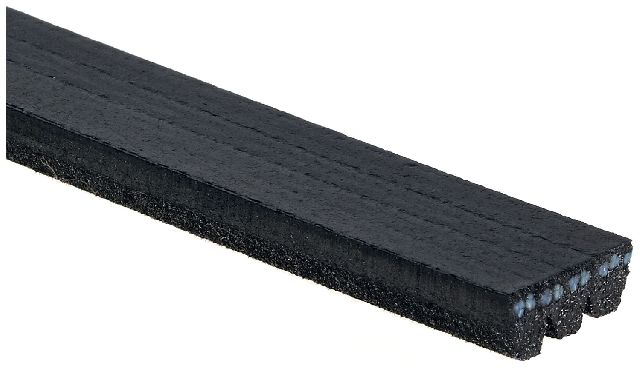
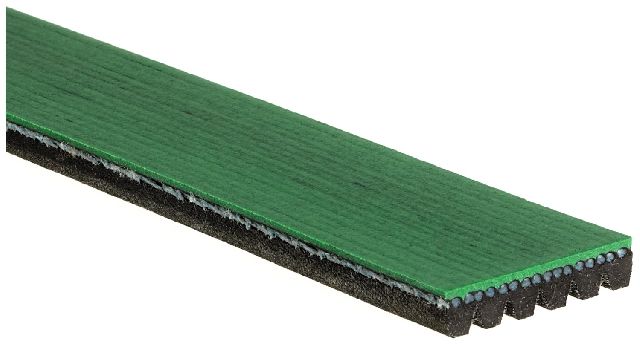
The key specification is the belt's length and number of ribs, which varies by engine size (4.3L, 4.8L, 5.3L, 6.0L, 6.2L) and installed accessories. Always verify the part number or length for your specific vehicle configuration. Belts are typically made of EPDM (Ethylene Propylene Diene Monomer) rubber.
We Have This Part in Stock

The information in this article is provided for general reference and educational purposes only. Vehicle specifications, procedures, and part compatibility can vary by production date, trim level, and region. Always consult your vehicle's factory service manual and verify part numbers before purchasing or performing repairs. Safety-critical components such as airbags, seat belts, and braking systems should be installed by a qualified professional.
- GMC Sierra: