

A Jeep Compass Owner's Guide to Disc Brake Rotors (2007-2018)
Stop the shaking and noise: Learn how to choose the right replacement brake rotors for your Jeep Compass.
- Verify your model year carefully, as 2017 was a crossover year with two different Compass generations that use different parts.
- Vibration when braking is the most common sign of a bad rotor on a Compass.
- Always replace rotors in pairs and with new brake pads to ensure safety and proper performance.
- To prevent repeat issues with vibration, ensure the wheel hub is clean before installation and lug nuts are tightened to spec with a torque wrench.
Is Your Compass Shaking When You Brake?
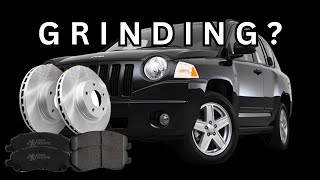
The most common complaint from 2007-2018 Jeep Compass owners is a vibration or pulsation felt in the steering wheel and brake pedal when braking. This is almost always a sign of a warped or unevenly worn brake rotor. 🎬 Watch: Why your car shakes when braking and how to fix it. While it feels like the rotor is bent, it's usually caused by uneven thickness from heat or improper installation. This problem is so recognized that Jeep issued a Technical Service Bulletin (TSB #9004183) for front brake vibration on some models.
Critical: 2017 Model Year Crossover
The 2017 model year is a split year for the Jeep Compass. The first generation (MK) was sold alongside the brand new second generation (MP). They do not use the same brake parts. Before ordering, you must verify if you have the older body style (2007-2017) or the new one (2017-2018). Visually comparing your vehicle to online photos is the easiest way to confirm.
Symptoms of a Bad Disc Brake Rotor
Besides the common brake pedal pulsation, watch for these other signs:
- Grinding or Squealing Noises: A high-pitched squeal usually means the brake pads are low, but a deeper grinding sound often indicates metal-on-metal contact because the pads are completely gone and the rotor is being damaged.
- Visible Grooves or Hot Spots: Look at the rotor surface through your wheel. If you see deep circular lines, scoring, or bluish discolored spots, the rotor is damaged or has been overheated.
- Longer Stopping Distances: If your Compass takes longer to stop than it used to, your brake system is compromised. Worn rotors may not have enough surface area or mass to effectively dissipate heat and create friction.
Choosing the Right Aftermarket Rotors
Aftermarket rotors often meet or exceed the quality of the original factory parts, and you have more options. Here’s how to choose:
- Blank & Smooth (Standard): These are just like your original rotors. They are reliable and perfect for daily driving.
- Coated Rotors: These rotors have a special coating (often grey, black, or silver) on the hub and edges. This coating prevents the non-contact areas from rusting, keeping your wheels looking clean. This is a great upgrade for any Compass, especially in areas where salt is used on winter roads. Wagner and Raybestos offer excellent coated options.
- Drilled & Slotted (Performance): These rotors have holes drilled through them and/or slots cut into the face. They offer a slight performance benefit in wet or high-heat conditions and are mostly for aggressive looks or specific use cases like towing. Brands like Powerstop, EBC, and Hawk specialize in these kits. For most Compass owners, they are not necessary but can be a good upgrade if you want improved bite and a sportier look.
Brand Quality Tiers
With over 100 options available, it can be confusing. Think of them in tiers:
- Good (Value): Brands like Pronto, Dynamic Friction, and Centric's C-Tek line offer a reliable, budget-friendly replacement that meets factory specifications. They are a solid choice for getting your vehicle back on the road safely.
- Better (OEM-Quality): This is the sweet spot for most owners. Brands like Bosch, Wagner, Raybestos, and Centric's premium lines offer excellent quality, often with features like corrosion-resistant coatings. They provide long life and quiet operation.
- Best (Performance/Premium): For owners who want the absolute best performance, quietest operation, and longest life, look to brands like Brembo, EBC Brakes, Hawk Performance, and Powerstop. These are often sold as kits with matching high-performance pads.
Pro Tip: Replace in Pairs
Always replace brake rotors in pairs (both front wheels or both rear wheels) and install new brake pads at the same time. This ensures even braking, proper wear, and safety. Installing a new rotor with old pads will cause uneven wear and ruin the new rotor quickly.
Known Issues, Recalls, and TSBs
- Recall U86 (2018-2019 Compass): Some models were recalled for rear brake caliper pistons that could cause gas to form in the brake fluid, leading to a soft pedal and reduced braking. The fix was a dealer-performed brake bleed. This was not a rotor issue, but it's a critical safety check for the brake system on these years.
- TSB #9004183: Addresses front brake vibration or pulsation on 2019 models by replacing front rotors and pads.
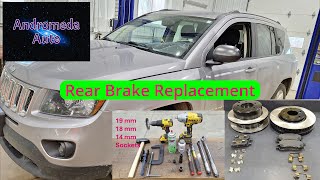
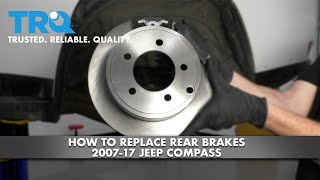
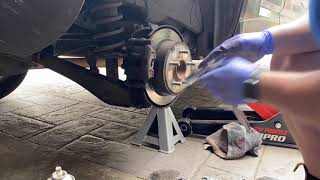
- TSB #05-003-16: For older models, this TSB addressed a grinding noise from the rear brakes by adding an anti-vibration bracket. 🎬 Watch: Step-by-step guide for replacing your rear brakes.
| Part Type | Estimated Cost (Per Pair) |
|---|---|
| New Aftermarket Rotors | $70 - $675 |
| New OEM (Mopar) Rotors | $160 - $300 |
| Shop Labor (Per Axle) | $150 - $300 |
Frequently Asked Questions
Is it hard to replace Jeep Compass brake rotors myself?
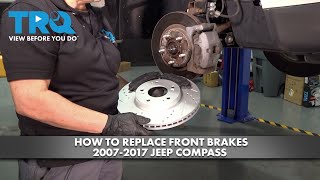
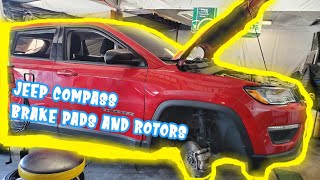
No, it is a common DIY job for someone with basic mechanical skills and tools. You will need a jack, jack stands, a socket set, and a C-clamp or piston tool. The job takes about 1-2 hours per axle. 🎬 See this DIY walkthrough for replacing front pads and rotors. The most important steps are to clean any rust off the wheel hub before installing the new rotor and to tighten your lug nuts to the correct torque with a torque wrench.
Do I have to replace my calipers with the rotors?
No, you typically do not need to replace the calipers unless they are seized, leaking, or damaged. A sign of a sticking caliper can be one brake pad that is much more worn than the other. A Reddit user with recurring warped rotors on their Compass noted that a sticking caliper could be a cause of the excessive heat that damages rotors.
Why do my rotors keep warping?
Recurring rotor warping is often caused by an underlying issue. This can include a sticking caliper, improper lug nut torque (always use a torque wrench), or not cleaning rust off the hub surface during installation. Using higher-quality, coated rotors can also help resist warping from high heat.
Should I get drilled and slotted rotors for my Compass?
For daily driving, standard smooth rotors are more than enough. Drilled and slotted rotors can offer a small benefit in heavy rain or repeated hard braking, but they can also be noisier and wear out pads faster. Many owners choose them for their aggressive appearance. Powerstop kits are a popular choice for those who want this style.
Helpful Videos

Technical Specifications
OEM Part Numbers: 68249840AC
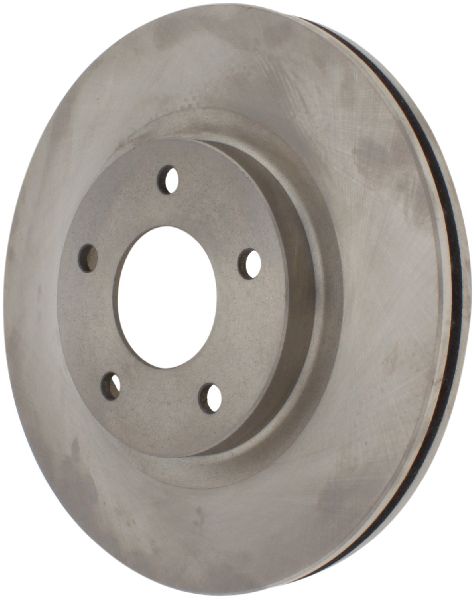
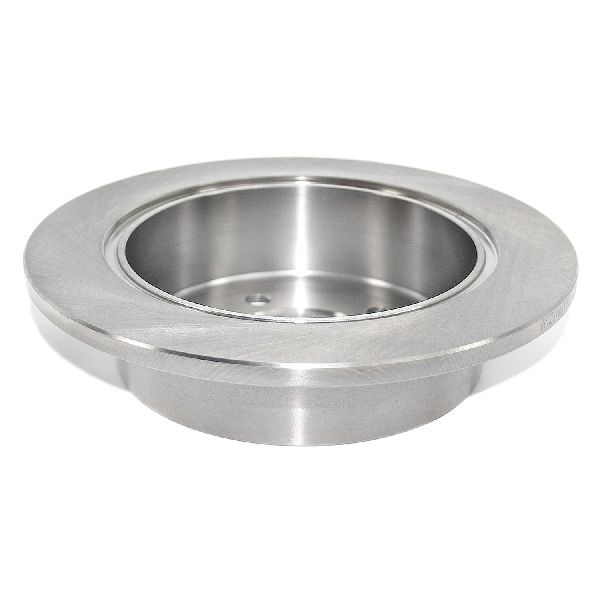
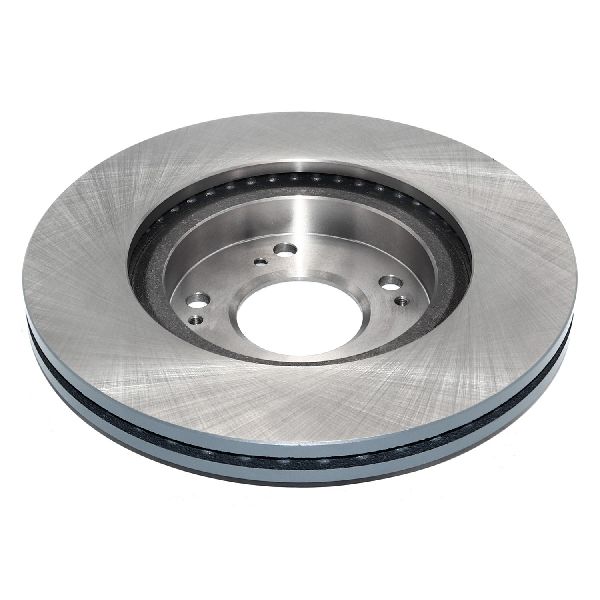
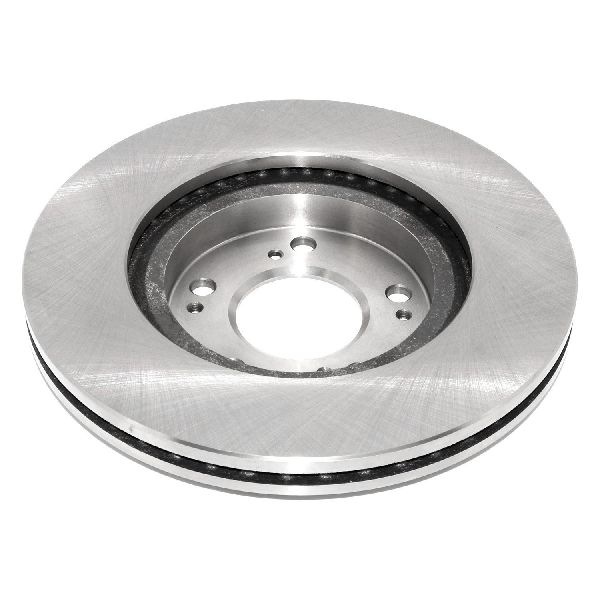
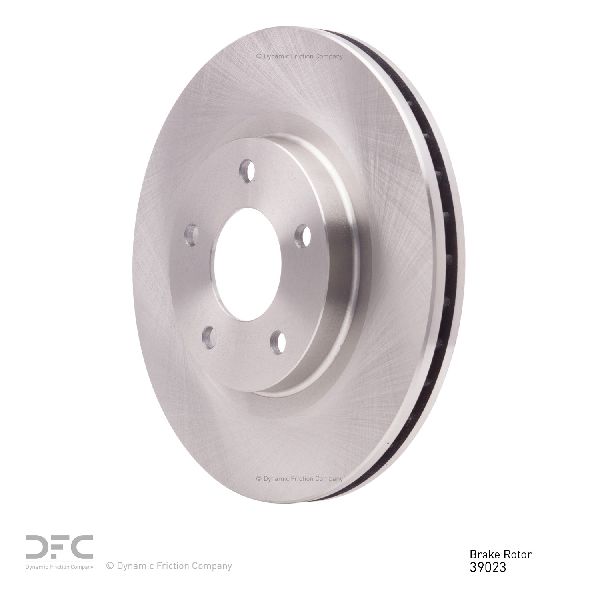
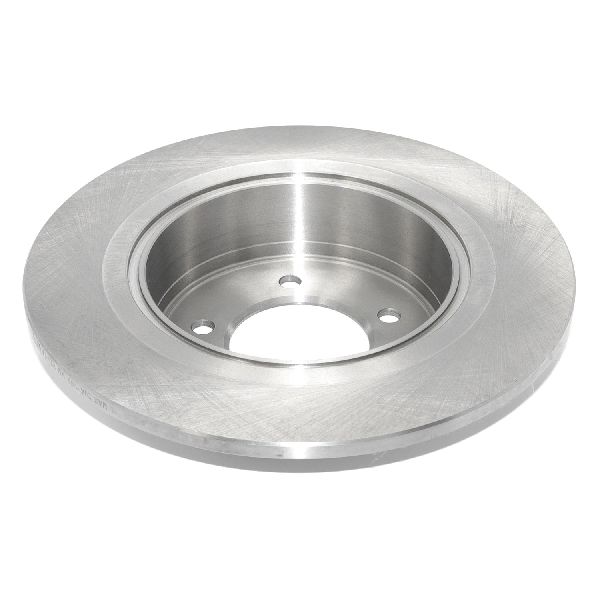
The 2007-2018 Jeep Compass uses two different sets of brake rotors depending on the generation. The first generation (MK, 2007-2017) and second generation (MP, 2017-2018) have different rotor diameters and bolt patterns. Always verify your specific vehicle generation before purchasing parts. Rotors are available in standard, coated, and drilled/slotted configurations.
We Have This Part in Stock

The information in this article is provided for general reference and educational purposes only. Vehicle specifications, procedures, and part compatibility can vary by production date, trim level, and region. Always consult your vehicle's factory service manual and verify part numbers before purchasing or performing repairs. Safety-critical components such as airbags, seat belts, and braking systems should be installed by a qualified professional.
- Jeep Compass:
- 🎬 Helpful Videos
- 🛍️ Shop This Part
- Is Your Compass Shaking When You Brake?
- Critical: 2017 Model Year Crossover
- Symptoms of a Bad Disc Brake Rotor
- Choosing the Right Aftermarket Rotors
- Brand Quality Tiers
- Pro Tip: Replace in Pairs
- Known Issues, Recalls, and TSBs
- Frequently Asked Questions
- 🎟️ Get 5% Off