

Jeep Wrangler JK (2007-2018) Steering Damper Replacement Guide
Tired of steering shimmy or wandering? Here’s what you need to know before replacing your JK's steering damper.
- A steering damper's main job is to absorb shocks from the road, not to fix 'death wobble'.
- Replacing a JK steering damper is a very easy DIY job that takes less than an hour with basic tools.
- For Jeeps with larger tires (33"-35"), a heavy-duty aftermarket single damper is a highly recommended upgrade over the stock unit.
- If you experience death wobble, inspect your track bar, ball joints, and other steering components before replacing the damper.
Is Your Jeep's Steering Damper Failing?

A worn-out steering damper can make your Wrangler feel unpredictable. Because it's a hydraulic shock, the most obvious sign of failure is fluid leaking from the cylinder body. If you see oily grime covering the damper, it's time for a replacement. 🎬 Watch: How to tell if your steering stabilizer is bad. Other symptoms include:
- A shimmy or vibration in the steering wheel, especially after hitting a bump.
- A feeling of looseness or excessive play in the steering.
- The steering feels jerky or pulls to one side after hitting a bump (bump steer).
A Note on "Death Wobble"
Many drivers blame the steering stabilizer for the violent shaking known as "death wobble." While a failing stabilizer can contribute, it is almost never the root cause. Death wobble is a violent oscillation of the front axle, typically caused by worn or loose components like the track bar, ball joints, or tie rod ends. Installing a heavy-duty steering damper may mask the problem temporarily, but it will not fix it. If you experience death wobble, a full front-end inspection is necessary to find the actual cause.
🎬 See this ultimate guide to diagnosing and fixing death wobble.Choosing the Right Aftermarket Steering Damper

The factory steering damper on the JK is adequate for a stock vehicle with standard tires. However, it is a non-pressurized, basic unit that can wear out or be overwhelmed by larger tires. Aftermarket options offer significant improvements in performance and durability. They are generally categorized by their internal design and intended use.
Tier 1: OEM-Style Replacements
These are affordable, direct-fit replacements that restore original performance. They are a good choice if your Jeep is stock and you just need to replace a leaking or worn-out unit.
- Brands: Crown Automotive, Dorman, KYB, Monroe, Omix-Ada, Rugged Ridge
- Best for: Stock Jeep Wranglers, daily driving, budget-conscious repairs.
Tier 2: Heavy-Duty Single Dampers
This is the most popular category for JK owners. These dampers feature larger bodies, stronger piston rods, and are often gas-pressurized (like nitrogen-charged monotubes). This design provides better heat dissipation and more consistent damping, which is crucial for Jeeps with lift kits and tires up to 35 inches.
- Brands: Rancho, Skyjacker, Rubicon Express, Bilstein, Eibach, Old Man Emu
- Details: Rancho's RS5000 is a popular, budget-friendly hydraulic upgrade known for being much beefier than stock. Bilstein's 5100 series offers a firmer, more controlled on-road feel due to its digressive valving. Old Man Emu (OME) is highly regarded for its durability and is often paired with its full suspension systems.
- Best for: Lifted JKs with 33-35 inch tires, mixed on-road and off-road use.
Tier 3: Performance & Extreme Duty
For Jeeps with 37-inch or larger tires, or those that see aggressive off-road use, a top-tier damper is recommended. These often feature through-shaft (TS) designs that eliminate push/pull from gas pressure, or are part of dual-damper setups.
- Brands: Fox Racing Shox, RockJock 4x4, Fabtech
- Details: Fox offers high-performance options, including their 2.0 Performance Series IFP and innovative Through-Shaft (TS) stabilizers that provide neutral, consistent damping without pushing the steering. Some brands like Rough Country and Fabtech offer dual-stabilizer kits, which use two dampers working together to control very large tires. RockJock often includes stabilizers as part of their complete heavy-duty steering systems.
- Best for: Heavily modified Jeeps, large tires (37"+), serious rock crawling or high-speed off-roading.
Single vs. Dual Stabilizers
For most JK Wranglers, even those with lifts and 35-inch tires, a high-quality single stabilizer is sufficient. A dual setup is generally only considered for tires 37 inches or larger to help manage the increased weight and leverage on the steering system. A dual setup on a daily driver with smaller tires can make the steering feel heavy and slow to return to center.
Cost of Replacing a Jeep Wrangler JK Steering Damper

| Part Type | Estimated Cost |
|---|---|
| New Aftermarket Damper | $59 - $230 |
| Shop Labor | $50 - $100 |
| Total Estimated Cost | $109 - $330 |
Frequently Asked Questions

Can I drive with a bad steering damper?
Yes, in most cases. A leaking or weak steering damper does not typically make the vehicle undrivable, but your steering will feel loose, and you'll experience more vibration and bump steer. It is not a critical safety failure that will stop the vehicle, but it should be replaced soon for better control and comfort. If you are experiencing death wobble, you should stop driving and have the vehicle inspected immediately.
Will a new steering damper fix my death wobble?
No. A new, heavy-duty steering damper will only mask the true cause of death wobble, which is worn or loose front-end parts (track bar, ball joints, etc.). The new damper may absorb the vibrations for a short time, but the underlying issue will remain and will quickly wear out the new damper. Always diagnose and fix the root cause of death wobble first.
How hard is it to replace a JK steering damper?
It is one of the easiest jobs to perform on a Jeep Wrangler. The damper is held on by only two bolts and is easily accessible. Most owners can complete the replacement in under an hour with basic hand tools (typically an 18mm wrench or socket).
🎬 Watch: Change your JK steering damper in under 8 minutes.Do I need a gas-charged or hydraulic damper?
Hydraulic (non-gas) dampers, like the factory unit or a Rancho RS5000, are simple and effective. Gas-pressurized dampers (like a Bilstein 5100 or Fox 2.0) offer more consistent performance and better heat management, but some high-pressure monotube designs can create a slight "push" to one side. For most users, a quality hydraulic or low-pressure gas damper is a great choice. High-performance "through-shaft" designs from brands like Fox eliminate this push entirely.
Were there any recalls for the JK steering damper?
No specific recalls were found for the steering damper itself on the 2007-2018 Jeep Wrangler JK. However, there have been Technical Service Bulletins (TSBs) related to steering components and wobble on later Jeep models, but not a widespread recall for the JK damper.
Helpful Videos



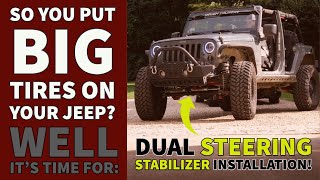
![5 Best Steering Stabilizer for Jeep JK [Review] - Dual Steering Stabilizer for Jeep Wrangler [2026]](https://img.youtube.com/vi/NpJraYirtZI/mqdefault.jpg)
Technical Specifications
OEM Part Numbers: 68251580 52060058AF 52060058AE
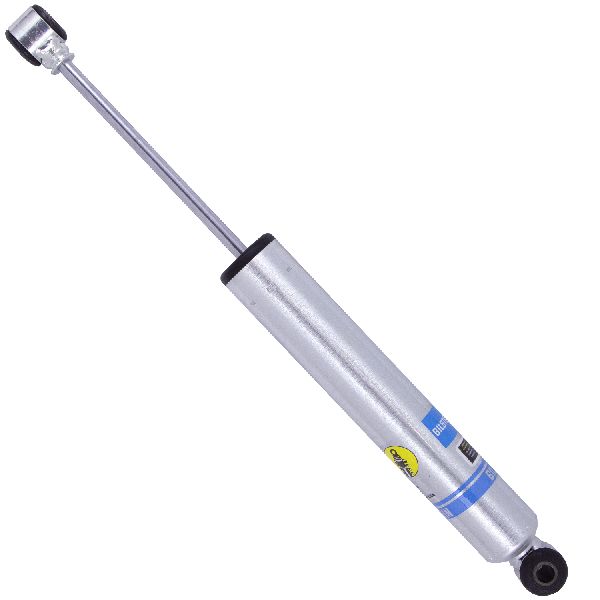
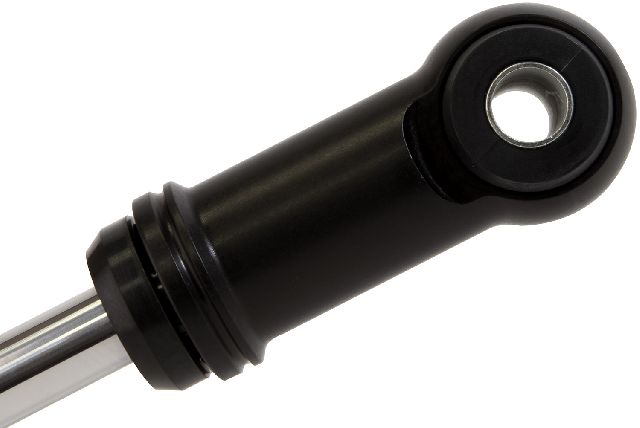
The steering damper is a hydraulic shock absorber mounted horizontally between the front axle and the tie rod. Replacement is done with two bolts, typically requiring an 18mm wrench. Torque specs are approximately 55-60 ft-lbs.
We Have This Part in Stock


The information in this article is provided for general reference and educational purposes only. Vehicle specifications, procedures, and part compatibility can vary by production date, trim level, and region. Always consult your vehicle's factory service manual and verify part numbers before purchasing or performing repairs. Safety-critical components such as airbags, seat belts, and braking systems should be installed by a qualified professional.
- Jeep Wrangler:
- 🎬 Helpful Videos
- 🛍️ Shop This Part
- Is Your Jeep's Steering Damper Failing?
- A Note on "Death Wobble"
- Choosing the Right Aftermarket Steering Damper
- Tier 1: OEM-Style Replacements
- Tier 2: Heavy-Duty Single Dampers
- Tier 3: Performance & Extreme Duty
- Single vs. Dual Stabilizers
- Cost of Replacing a Jeep Wrangler JK Steering Damper
- Frequently Asked Questions
- 🎟️ Get 5% Off