

A Guide to the Engine Coolant Temperature Sensor for the 2007-2018 Mercedes-Benz CLS550
Learn the symptoms of a failing engine coolant temperature sensor and how to choose the right replacement for your CLS550.
- Symptoms of a bad sensor include overheating, poor fuel economy, rough idle, and a check engine light.
- The sensor is located at the back of the engine, but the exact position differs between the 2007-2011 (M273) and 2012-2018 (M278) models.
- Replacement is a feasible DIY job but can be frustrating due to the tight access space.
- Choosing a quality aftermarket brand like Delphi or Vemo can offer OEM-level reliability at a better price.
Is Your CLS550's Engine Acting Up? It Could Be a Bad Coolant Sensor


If your Mercedes-Benz CLS550 is experiencing issues like poor fuel economy, rough idling, or an engine that's overheating, a faulty Engine Coolant Temperature (ECT) sensor might be the cause. This sensor provides critical data to your vehicle's computer, and when it fails, it can lead to a variety of noticeable problems. Understanding these symptoms can help you diagnose the issue before it leads to more serious engine damage.
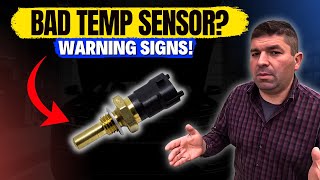
🎬 Watch: 8 common symptoms of a failing coolant sensor.Symptoms of a Failing ECT Sensor
- Check Engine Light: One of the most common signs is an illuminated Check Engine Light. The vehicle's computer will detect a problem with the sensor's signal and trigger a fault code.
- Reduced Fuel Economy: If the sensor incorrectly tells the computer the engine is cold, the system will inject more fuel than needed, causing your gas mileage to drop.
- Engine Overheating or Erratic Temperature Gauge: The sensor controls the cooling fans. A bad sensor might prevent the fans from turning on when needed, leading to overheating. You might also see the temperature gauge on your dash behave erratically or give impossible readings.
- Black Smoke from Exhaust: An overly rich fuel mixture, caused by a bad sensor reading, can result in unburned fuel exiting through the exhaust, appearing as black smoke.
- Rough Idle and Poor Performance: With incorrect fuel and timing adjustments, your engine may idle roughly, hesitate, or feel sluggish during acceleration.
Generation Differences in Sensor Location
The location of the ECT sensor is different depending on your CLS550's model year. This is important to know for diagnosis and replacement.
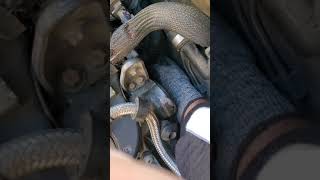
- 2007-2011 (C219 chassis with M273 V8): The sensor is located at the very back of the engine near the firewall. It is difficult to see and is best accessed by feel. 🎬 See this walkthrough for replacing the sensor on a C219. It sits just above the crankshaft position sensor.
- 2012-2018 (C218 chassis with M278 Bi-Turbo V8): The sensor is on the rear of the driver's side (left) cylinder head. Access requires removing the engine covers.
Choosing the Right Aftermarket Sensor for Your Mercedes-Benz

While a Genuine Mercedes-Benz part is always an option, several reputable aftermarket brands offer quality replacements at a lower cost. For a critical sensor like this, it's best to avoid the cheapest options and choose a brand known for quality electronics.
Brand Quality Tiers
- OEM-Quality Aftermarket (Recommended): Brands like Delphi and Vemo are often original equipment suppliers to many automakers. Delphi is known for its robust, single-piece sensor designs that improve reliability. These brands provide confidence in fitment and long-term performance.
- Standard Aftermarket: Brands such as Standard Ignition (SMP), Walker Products, and Holstein offer reliable parts that meet or exceed original specifications. They are a solid choice for a balance of price and quality.
- Value-Priced Options: Brands like URO Parts and Facet provide a more budget-friendly alternative. URO Parts sometimes offers an improved "Premium" line with a longer warranty, which can be a good value. For a simple sensor, these can be adequate, but quality can sometimes be inconsistent compared to higher-tier brands.
| Part Type | Estimated Part Cost |
|---|---|
| New OEM (Genuine Mercedes-Benz) | $45 - $75 |
| New Aftermarket | $8 - $33 |
| Shop Labor | $100 - $180 |
Frequently Asked Questions (FAQ)

Can I drive my CLS550 with a bad coolant temperature sensor?
It is not recommended. A bad sensor can cause the engine to overheat, which can lead to severe and expensive damage. It can also cause poor performance and high fuel consumption.
Is replacing the ECT sensor a DIY job?
Yes, for someone with basic mechanical skills. The main challenge is the sensor's location at the back of the engine, which offers very little room to work. You will need a T30 Torx bit for the retaining bolt. If you are not comfortable working in tight spaces by feel, it may be best to leave this job to a professional.
Are there any recalls for this part on my CLS550?
No, as of early 2026, there are no specific recalls or technical service bulletins (TSBs) from Mercedes-Benz for engine coolant temperature sensor failure on the 2007-2018 CLS550.
What happens if I don't replace a faulty sensor?
Ignoring a bad ECT sensor can lead to several problems. Continuously running rich can damage your catalytic converters over time. More critically, if the sensor fails to trigger the cooling fans, your engine can overheat, potentially causing warped cylinder heads or other catastrophic failures.
Should I use an OEM or aftermarket sensor for my Mercedes?
For a vehicle like the CLS550, using a high-quality part is important. While an OEM sensor is a safe bet, an OEM-quality aftermarket brand like Delphi offers similar performance and reliability for less money. Given the low cost of even the best aftermarket options, it's not worth saving a few dollars on a budget part that might fail prematurely.
Helpful Videos

Technical Specifications
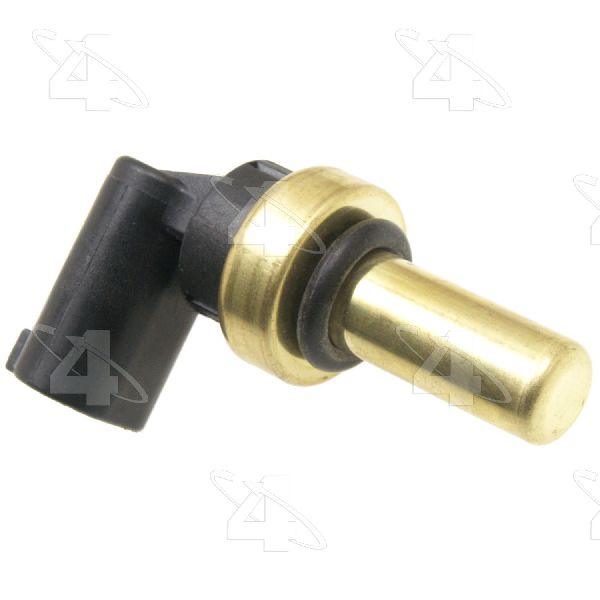
OEM Part Numbers: 0009056102 2219055600 0005425118
The sensor's location varies by engine generation. The C219 (M273 engine) has the sensor at the rear of the engine block near the firewall. The C218 (M278 engine) has it on the rear of the driver's side cylinder head. A T30 Torx bit is required for removal on both versions.
We Have This Part in Stock

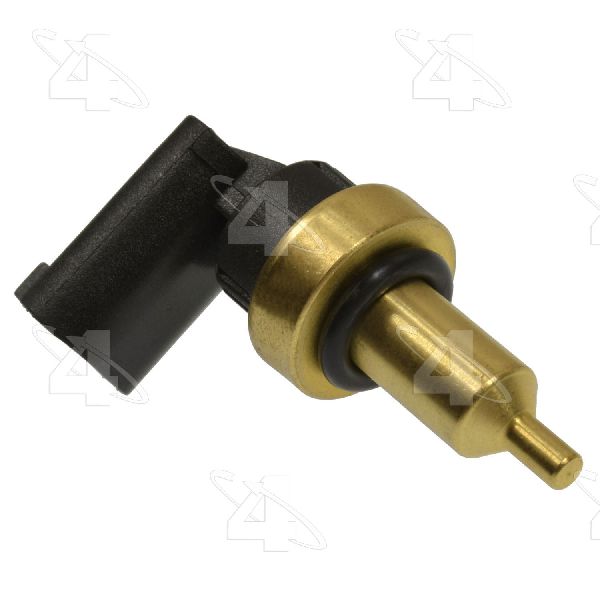
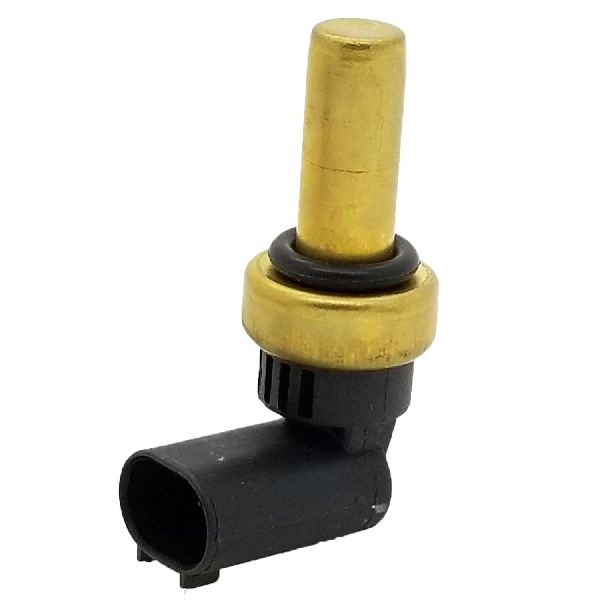
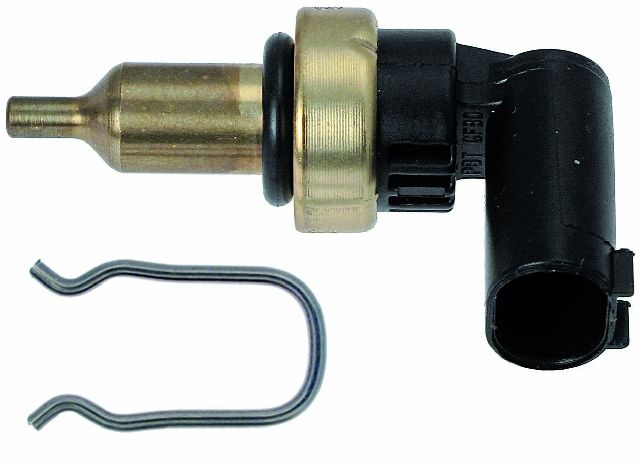

The information in this article is provided for general reference and educational purposes only. Vehicle specifications, procedures, and part compatibility can vary by production date, trim level, and region. Always consult your vehicle's factory service manual and verify part numbers before purchasing or performing repairs. Safety-critical components such as airbags, seat belts, and braking systems should be installed by a qualified professional.
- Mercedes-Benz CLS550:
- 🎬 Helpful Videos
- 🛍️ Shop This Part
- Is Your CLS550's Engine Acting Up? It Could Be a Bad Coolant Sensor
- Symptoms of a Failing ECT Sensor
- Generation Differences in Sensor Location
- Choosing the Right Aftermarket Sensor for Your Mercedes-Benz
- Brand Quality Tiers
- Frequently Asked Questions (FAQ)
- 🎟️ Get 5% Off