

Nissan Tiida Engine Torque Strut Mount Replacement Guide (2007-2018)
Feeling a clunk or vibration from your Tiida's engine? This guide is for you.
- The most common failure symptoms are a clunk during acceleration and vibration at idle.
- Replacement is a very easy DIY job, requiring only basic tools and about 30 minutes.
- Aftermarket brands like Anchor, DEA, and Westar are affordable but may increase cabin vibration compared to the OEM part.
- A single 'thunk' noise on the first few accelerations of the day can be normal and may not require a replacement, per a Nissan TSB.
Is Your Tiida's Engine Mount Failing?
A worn-out engine torque strut mount on a 2007-2018 Nissan Tiida (sold as the Versa in North America) will cause noticeable symptoms. Because this mount is designed to control engine movement, its failure leads to distinct noises and vibrations. Here’s what to look and listen for:
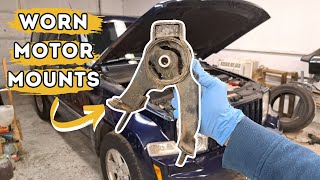
🎬 Watch: How to identify and locate bad engine mount symptoms.- Excessive Vibration: This is the most common sign. You might feel a strong vibration through the steering wheel, floor, or seats, especially when the car is idling in gear at a stoplight.
- Clunking or Thumping Noises: A loud “clunk” or “thump” from the engine bay when you accelerate quickly or let off the gas is a classic symptom. This is the sound of the engine shifting and hitting its limits.
- Jerking Sensation: The car may feel like it's jerking or lurching when you shift gears or accelerate, as the engine moves without restraint.
- Visual Damage: You can often see the damage. Pop the hood and look at the mount. If the rubber is cracked, torn, or separated from the metal, it needs to be replaced.
A Note on Normal Noises
Nissan issued a Technical Service Bulletin (TSB NTB14-060c) noting that a single “thunk” noise during the first few accelerations of the day can be a normal characteristic of this mount's design. If the noise only happens once or twice when you first start driving and doesn't return, it may not indicate a failure. However, persistent clunking and vibration are definite signs of a problem.
Choosing the Right Aftermarket Mount
When replacing this part, you have a choice between the original Nissan (OEM) part and several aftermarket brands. For the Tiida/Versa, brands like Anchor, DEA, and Westar are widely available and affordable.
OEM vs. Aftermarket Quality:
- OEM (Original Equipment Manufacturer): The Nissan genuine part is designed to provide the same ride feel as when the car was new. It uses rubber that is specifically engineered to absorb vibrations effectively, resulting in minimal noise and harshness inside the cabin. The downside is a higher cost.
- Aftermarket (Anchor, DEA, Westar): These brands are budget-friendly alternatives. They will fit and function correctly, preventing the clunking from a failed mount. However, forum users and mechanics often report that the rubber used in these economy parts can be harder than the OEM version. This can lead to a noticeable increase in engine vibration felt inside the car, especially at idle. While they work, they may not provide the same smooth feel as the original part and may not last as long.
Which Should You Buy?
If your priority is restoring the original, quiet ride and you plan to keep the car for a long time, the OEM mount is the best choice. If you are on a tight budget and need to fix a severe clunking issue, an aftermarket mount from a brand like Anchor, DEA, or Westar will solve the immediate problem at a much lower cost, but be prepared for a potential increase in cabin vibration.
Cost to Replace Nissan Tiida Torque Strut Mount
| Part Type | Estimated Cost |
|---|---|
| New OEM | $100 - $145 |
| New Aftermarket (Anchor, DEA, Westar) | $30 - $71 |
| Shop Labor | $50 - $100 |
Frequently Asked Questions
Can I replace this mount myself?
Yes, this is a very easy DIY job for a beginner. The torque strut mount is located on top of the engine and is held in by just two bolts. You do not need to support the engine to replace this specific mount, as the main weight-bearing mounts will hold it in place. The entire job can be done in under 30 minutes with basic hand tools, typically an 18mm socket and a ratchet.
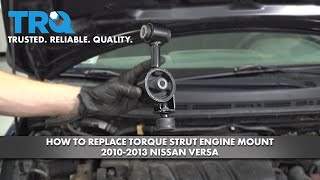
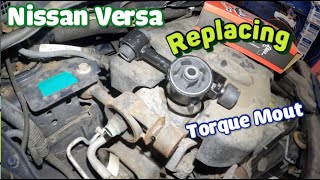
🎬 See this torque strut replacement walkthrough and helpful tool tips.Can I drive with a bad torque strut mount?
Yes, but it's not recommended for long. While the car is drivable, the excessive engine movement can put stress on other components like the other engine mounts, exhaust pipes, and coolant hoses. The constant clunking and vibration are also unpleasant. It's best to replace it soon after symptoms appear.
How do I know for sure the torque strut mount is the problem?
Have a helper stand in front of the car (with the hood open and the parking brake firmly set) and watch the engine. While you hold the brake pedal down, shift from Park to Drive, then to Reverse. If the helper sees the engine lurch forward or backward significantly (more than an inch or so), the torque strut mount is bad. You can also visually inspect the mount for cracks in the rubber.
🎬 Watch a quick demonstration of replacing the torque engine mount.Is this the same as a motor mount or transmission mount?
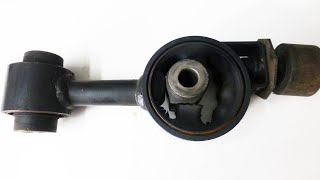
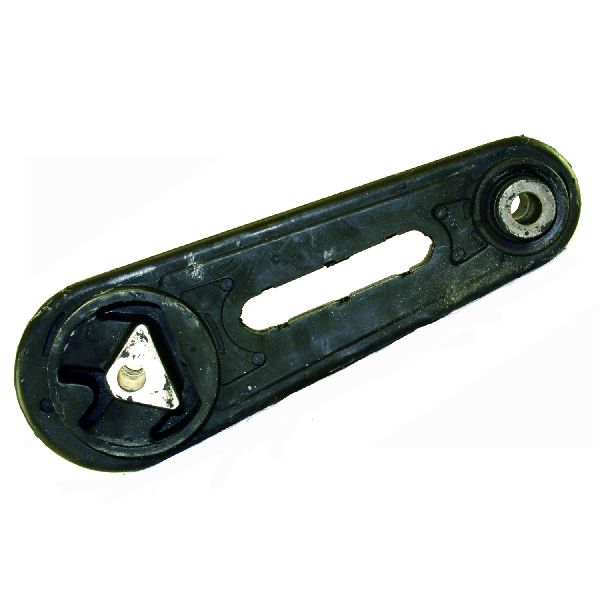
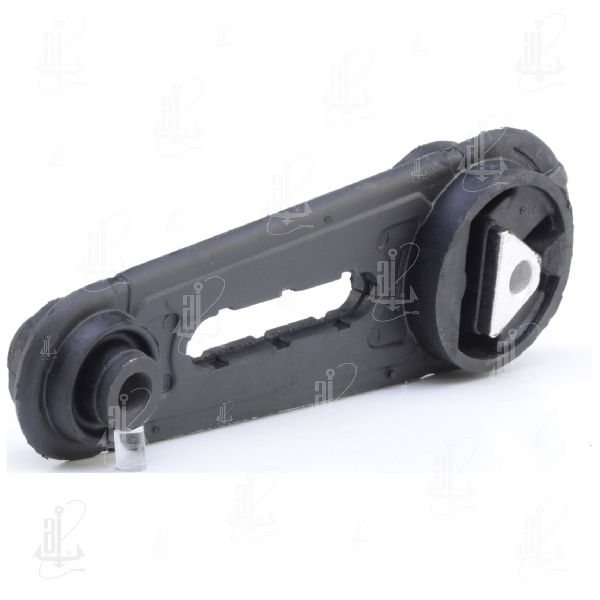
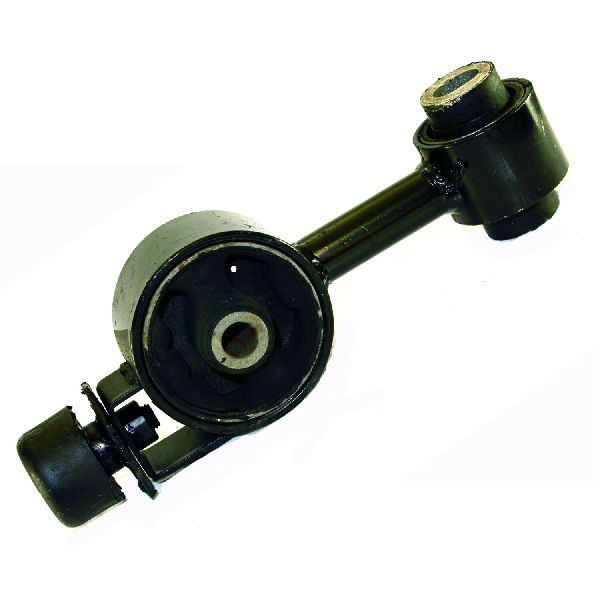
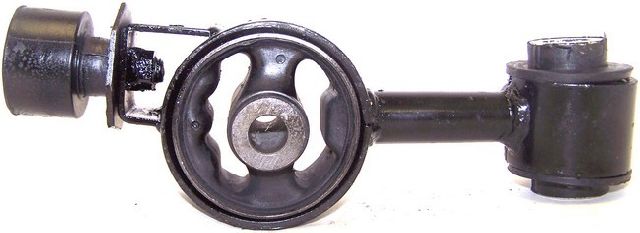
No. While they all work together, this part is a torque strut, sometimes called a torque mount or dog bone mount. The main motor and transmission mounts are larger, located underneath or on the sides of the engine, and are responsible for bearing the weight of the powertrain. This top mount's only job is to control the twisting/rocking motion.
Helpful Videos
Technical Specifications
OEM Part Numbers: 11350-EL00A 11360-1HC0D 11360-9VA0A
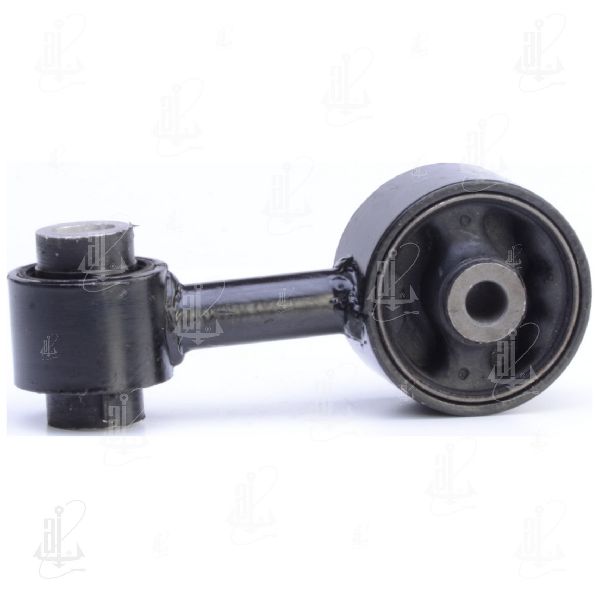
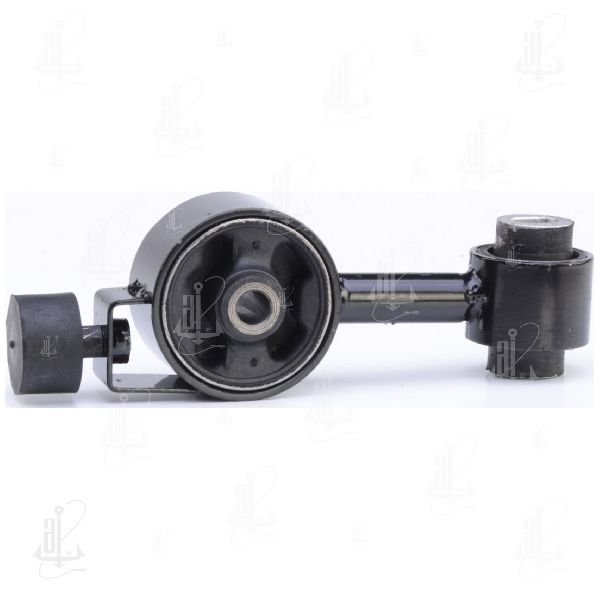
Top-mounted engine torque strut, often called a 'dog bone' mount. Typically secured with two 18mm bolts.
We Have This Part in Stock

The information in this article is provided for general reference and educational purposes only. Vehicle specifications, procedures, and part compatibility can vary by production date, trim level, and region. Always consult your vehicle's factory service manual and verify part numbers before purchasing or performing repairs. Safety-critical components such as airbags, seat belts, and braking systems should be installed by a qualified professional.
- Nissan Tiida: