

Ford Edge Fuel Injector Guide: 2007-2019 Models
Solving rough idle, poor fuel economy, and misfires in your Ford Edge by choosing the right fuel injector.
- First, identify your engine. V6 engines use port injectors, while EcoBoost engines use more complex direct injectors (GDI).
- For best results and to avoid future issues, replace all fuel injectors as a complete set, not just the one that failed.
- Bosch is a highly-regarded OEM-equivalent brand that offers similar quality to Motorcraft, often at a better price.
- If you smell raw fuel, stop driving immediately. It indicates a dangerous leak and a significant fire hazard.
Signs of a Failing Fuel Injector

A bad fuel injector can cause problems ranging from annoying to severe. Because it controls the fuel for a specific cylinder, even a small issue can throw the whole engine out of balance. Watch for these common symptoms:
- Rough Idle: The most common sign is a shaky or vibrating engine when you're stopped at a light. This happens when one cylinder isn't getting the right amount of fuel.
- Engine Misfires: You may feel a stumble or hesitation when you accelerate. This is often accompanied by a flashing or solid Check Engine Light.
- Poor Fuel Economy: If an injector is stuck open or leaking, it dumps extra fuel into the engine, causing your MPG to drop noticeably.
- Fuel Smell: A strong smell of raw gasoline inside or outside the car is a serious warning. A leaking injector can drip fuel onto a hot engine, creating a major fire hazard. If you smell fuel, do not drive the vehicle.
- Check Engine Light: A failing injector can trigger various codes. Misfire codes (P0300-P0306) point to the misfiring cylinder, while injector circuit codes (P0201-P0206) point directly to an electrical fault with the injector.
Choosing the Right Aftermarket Fuel Injector


When replacing a fuel injector, you have several options that balance cost and quality. For the Ford Edge, it's best to replace all injectors at the same time to ensure they all spray fuel at the same rate. Mixing old and new injectors can cause performance issues.
Tier 1: OEM & OEM-Equivalent Brands
These offer the highest quality and reliability, making them the safest choice for a critical part like a fuel injector.
- Motorcraft: This is Ford's official parts brand. It's the exact part your Edge came with from the factory. You can't go wrong with Motorcraft, but it is the most expensive option.
- Bosch: Bosch is a massive global parts manufacturer that makes many original parts for Ford. In many cases, the Bosch injector is the same as the Motorcraft part, just in a different box and often at a lower price. It is widely considered a top-tier, reliable choice.
Tier 2: Reputable Aftermarket Brands
These brands are well-known in the industry and offer a good balance of quality and price, though quality can sometimes be less consistent than OEM.
- Standard Ignition (SMP): A long-standing brand trusted by many technicians. They engineer their parts to meet or exceed OE specifications, but some user reviews report receiving faulty parts out of the box.
Tier 3: Value Brands
These brands compete on price and can be a good option for those on a tight budget, but may carry a higher risk of defects or shorter lifespan.
- Walker Products: A known aftermarket brand offering a wide range of engine management parts.
- GBR Fuel Injection: Positioned as a budget-friendly alternative. Less is known about their long-term reliability compared to more established brands.
Port Injection vs. Direct Injection: A Critical Difference
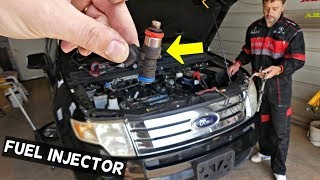
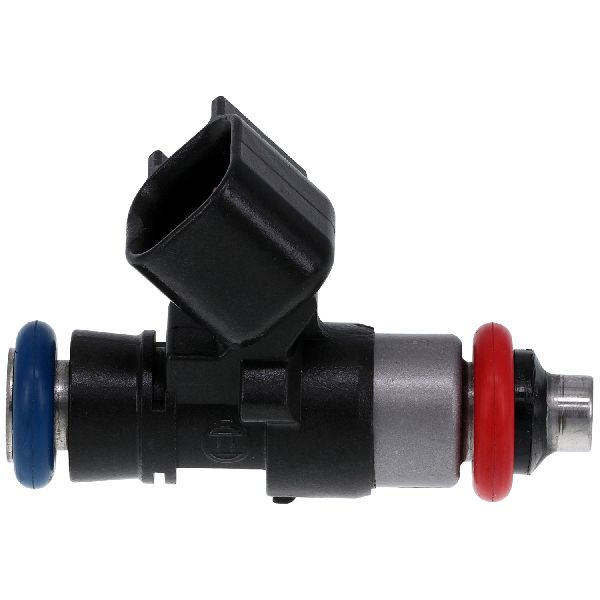
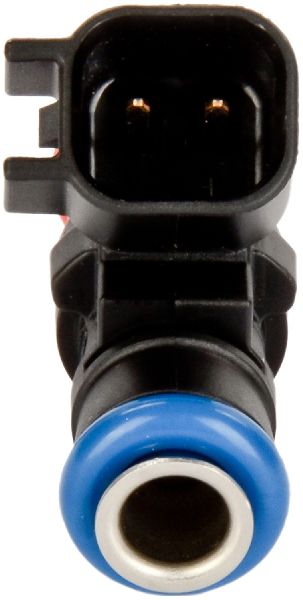
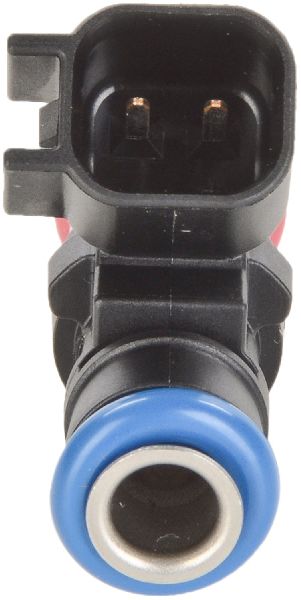
Before ordering, you MUST know which engine your Edge has. The 3.5L/3.7L V6 engines use simpler, lower-pressure port injectors. The 2.0L/2.7L EcoBoost engines use complex, high-pressure direct injectors (GDI). These parts are completely different and cannot be swapped. GDI injectors are also more difficult and expensive to replace.
Known Issues, Recalls, and TSBs
You may have heard about a major Ford recall for cracked fuel injectors that could cause engine fires. This recall (NHTSA campaign 22V859) applied to Ford Escape and Bronco Sport models with the 1.5L EcoBoost engine. This recall does not apply to any of the engines used in the 2007-2019 Ford Edge. There are no widespread fuel injector recalls for the Ford Edge of this generation.
Frequently Asked Questions (FAQ)

Should I replace one injector or all of them?
It is highly recommended to replace all fuel injectors at the same time, especially if your vehicle has over 75,000 miles. Injectors wear out over time, and a new injector will have a different flow rate than the old ones. This imbalance can lead to a rough idle and poor performance. Since the labor to access one injector is the same as accessing all of them, replacing them as a set is more cost-effective in the long run.
Is replacing a Ford Edge fuel injector a DIY job?
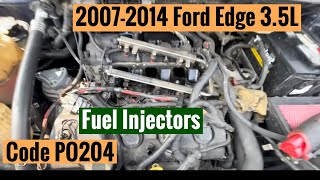
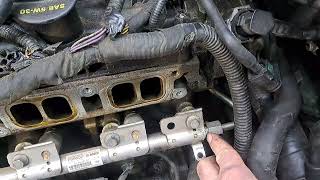
It depends on your engine and skill level. For the 3.5L and 3.7L V6 engines, the job requires removing the upper intake manifold to access the fuel rail. This is a moderately difficult job for an experienced DIYer. For the 2.0L and 2.7L EcoBoost engines, the job is more complex due to the high-pressure fuel system. Special care and sometimes special tools are needed, making it more suitable for a professional mechanic.
What are the most common fault codes for a bad fuel injector?
The most common codes are P0300 (Random Misfire) or P0301-P0306 (Misfire on a specific cylinder). You might also see codes P0201-P0206, which indicate an electrical problem in the injector circuit for a specific cylinder. Rich condition codes like P0172 and P0175 can also appear if an injector is leaking.
Can I use a fuel injector cleaner to fix the problem?
Fuel injector cleaner additives can sometimes help with minor deposit buildup and may slightly improve performance as a preventative measure. However, they cannot fix a mechanically failed, leaking, or electrically faulty injector. If you have clear symptoms like a misfire or a specific fault code, the injector will likely need to be replaced.
Helpful Videos
Technical Specifications
Injector type varies by engine. The 3.5L/3.7L V6 engines use Port Fuel Injection (PFI). The 2.0L/2.7L EcoBoost engines use Gasoline Direct Injection (GDI). The parts are not interchangeable.
We Have This Part in Stock


The information in this article is provided for general reference and educational purposes only. Vehicle specifications, procedures, and part compatibility can vary by production date, trim level, and region. Always consult your vehicle's factory service manual and verify part numbers before purchasing or performing repairs. Safety-critical components such as airbags, seat belts, and braking systems should be installed by a qualified professional.
- Ford Edge:
- 🎬 Helpful Videos
- 🛍️ Shop This Part
- Signs of a Failing Fuel Injector
- Choosing the Right Aftermarket Fuel Injector
- Tier 1: OEM & OEM-Equivalent Brands
- Tier 2: Reputable Aftermarket Brands
- Tier 3: Value Brands
- Port Injection vs. Direct Injection: A Critical Difference
- Known Issues, Recalls, and TSBs
- Frequently Asked Questions (FAQ)
- 🎟️ Get 5% Off