

Porsche 911 Crankshaft Position Sensor: A Guide for 2007-2019 Models
Solve common starting, stalling, and rough running problems in your 997 or 991 generation 911.
- A key sign of a failed sensor is the engine cranking but the tachometer needle staying at zero.
- Bosch is the original equipment manufacturer (OEM); sticking with the Bosch brand is highly recommended for reliability.
- Symptoms include no-start, stalling when hot, rough idle, and a P0335 check engine light code.
- The job is DIY-friendly for most, but access is tight. Location varies between 997 (driver's side) and 991 (passenger's side) models.
Is Your Porsche 911 Cranking But Not Starting?
A failed crankshaft position sensor is a common reason for a Porsche 911 that cranks over but won't fire up. This sensor can fail due to heat and age, often with little warning. One of the most telling signs specific to a 911 is watching the tachometer (RPM gauge) while you crank the engine. If the needle doesn't move at all, it's a strong indicator that the crankshaft position sensor has failed.
Symptoms of a Failing Crankshaft Position Sensor
When this sensor starts to go bad, your car will let you know. Besides the check engine light, you might experience:
- Engine Won't Start: The engine turns over, but it never catches and starts.
- Stalling: The engine may die suddenly while driving, especially once it has warmed up. It might start again after it cools down.
- Rough Idle and Misfires: The engine may shake, run poorly, or misfire because the timing is off.
- Poor Performance: You may notice sluggish acceleration and worse gas mileage.
Check Engine Light and Codes
A bad crankshaft sensor will almost always trigger the check engine light. The most common diagnostic trouble code (DTC) associated with this failure is P0335 (Crankshaft Position Sensor "A" Circuit Malfunction).
🎬 Watch: Diagnosing a P0335 code and no-start conditionChoosing the Right Aftermarket Sensor
When it comes to critical engine sensors for a Porsche, brand quality matters. Not all aftermarket parts are created equal.
Tier 1: OEM Supplier
Bosch is the Original Equipment Manufacturer (OEM) for Porsche for this sensor. This means the Bosch sensor you buy from an aftermarket retailer is often the exact same part you would get from a Porsche dealership, without the dealership price tag. For a critical component like this, choosing Bosch is the most reliable option to ensure compatibility and longevity.
Tier 2: Reputable Aftermarket
Brands like Delphi and Standard Ignition (SMP) have a solid reputation in the automotive parts industry for producing quality electronic components. While not the original supplier, they are generally considered reliable alternatives if a Bosch part is not available.
Tier 3: Budget Brands
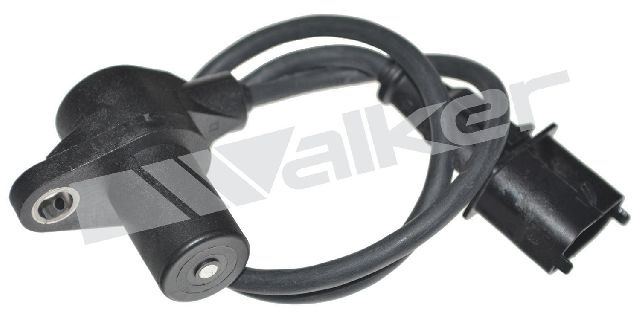
Brands such as Walker Products and Global Parts fall into the budget category. While the low price is tempting, Porsche owner forums often caution against using budget sensors for critical engine functions. A faulty sensor can leave you stranded, making the initial savings not worth the risk.
A Note on Installation
The sensor is located on the bell housing where the engine meets the transmission. On 997 models, it's typically on the driver's side (left), accessed by removing the rear wheel. 🎬 Watch: Step-by-step crankshaft sensor replacement on a 997.2 model On 991 models, it's often on the passenger's side (right) and can be a tighter fit. For 991 models, it is critical to reinstall the small metal spacer 🎬 See how to access the sensor on 991 models that sits between the sensor and the housing.
Cost of Replacing a Crankshaft Position Sensor
| Part Type | Estimated Cost |
|---|---|
| New OEM (from dealer) | $220 - $340 |
| New Aftermarket (Bosch OEM) | $50 - $120 |
| New Aftermarket (Other Brands) | $25 - $80 |
| Shop Labor | $150 - $300 |
Frequently Asked Questions
Can I replace the crankshaft position sensor myself?
Yes, this is a manageable DIY job for someone with basic mechanical skills and tools. It involves jacking up the car, removing a rear wheel, and accessing the sensor on the bell housing. The main challenge is the tight space. You'll need a ratchet with extensions and either a 5mm hex or T40 Torx bit, depending on your model.
What happens if I ignore a bad crankshaft sensor?
You should not ignore it. The problem will only get worse. An intermittent issue will eventually become a complete failure, leaving you with a car that won't start at all or could stall in a dangerous situation, like in the middle of traffic.
Are there any recalls for the Porsche 911 crankshaft sensor?
No. Searches of the National Highway Traffic Safety Administration (NHTSA) database and other sources show no specific recalls or technical service bulletins (TSBs) for the crankshaft position sensor on 2007-2019 Porsche 911 models.
Why is the tachometer not moving a key symptom?
The crankshaft position sensor's primary job is to measure engine speed (RPM). This signal is sent to the DME, which then relays it to the tachometer on your dashboard. If the sensor is dead, it sends no signal, so the computer thinks the engine isn't turning, and the tachometer needle stays at zero even when the engine is cranking.
Helpful Videos
Technical Specifications
OEM Part Numbers: 99660610500 98660611203 99360621701
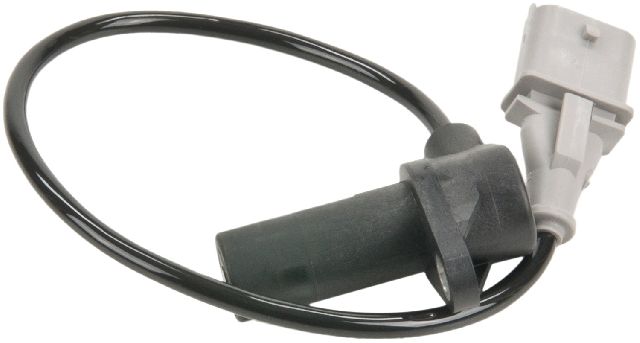
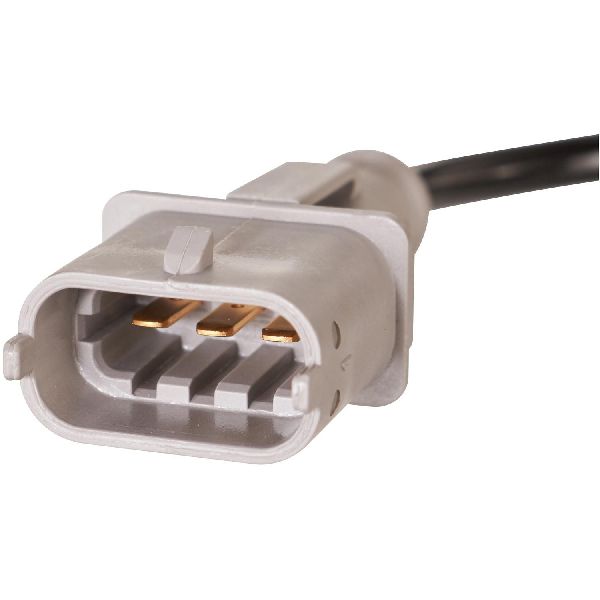
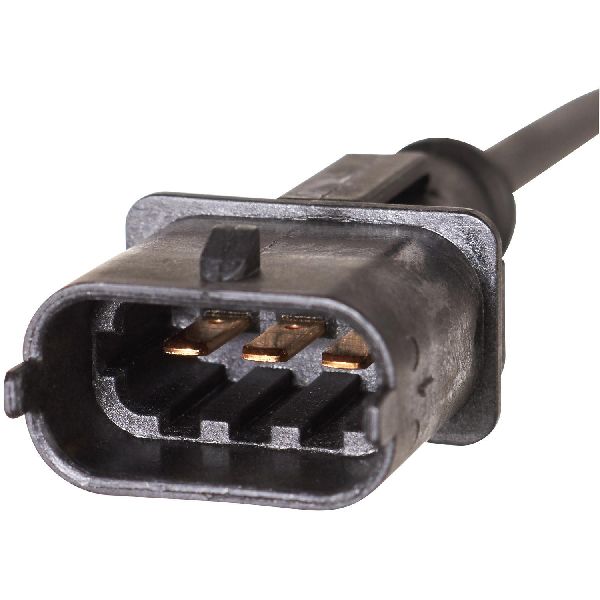
The crankshaft position sensor is a Hall effect sensor that generates a signal by reading teeth on the flywheel. It is typically held in place by a single bolt (5mm Hex or T40 Torx) and has a three-pin electrical connector.
We Have This Part in Stock


The information in this article is provided for general reference and educational purposes only. Vehicle specifications, procedures, and part compatibility can vary by production date, trim level, and region. Always consult your vehicle's factory service manual and verify part numbers before purchasing or performing repairs. Safety-critical components such as airbags, seat belts, and braking systems should be installed by a qualified professional.
- Porsche 911:
- 🎬 Helpful Videos
- 🛍️ Shop This Part
- Is Your Porsche 911 Cranking But Not Starting?
- Symptoms of a Failing Crankshaft Position Sensor
- Check Engine Light and Codes
- Choosing the Right Aftermarket Sensor
- Tier 1: OEM Supplier
- Tier 2: Reputable Aftermarket
- Tier 3: Budget Brands
- A Note on Installation
- Cost of Replacing a Crankshaft Position Sensor
- Frequently Asked Questions
- 🎟️ Get 5% Off