

A Comprehensive Guide to the 2007-2021 Volvo VNL Turbocharger Boost Sensor
Experiencing low power or a check engine light on your Volvo VNL? Your turbo boost sensor could be the problem.
- A bad boost sensor will directly cause a loss of power and poor fuel economy in your Volvo VNL.
- Replacement is a very simple DIY task, typically requiring only one bolt to be removed, making it a quick roadside or shop repair.
- Aftermarket brands like Dorman offer a cost-effective and reliable alternative to expensive OEM parts.
- Ignoring the issue can lead to more serious problems, such as a clogged DPF, so it's best to replace the sensor as soon as symptoms appear.
Is Your Volvo VNL Boost Sensor Failing?
A faulty turbocharger boost sensor can cause a range of noticeable problems in your truck. Because this sensor provides vital data to the engine's computer, a bad signal can lead to poor performance and potential long-term issues. Ignoring these symptoms can result in reduced fuel economy and even place your engine in a low-power "limp mode," which can be a major problem on the road.
Common Symptoms of a Bad Boost Sensor:
🎬 Watch: A breakdown of the top 8 bad sensor symptoms.- Loss of Engine Power: The most common symptom. Your truck may feel sluggish, especially under load or while accelerating.
- Check Engine Light: The sensor will trigger a fault code and illuminate the Malfunction Indicator Lamp (MIL) on your dash. Common codes include P0236, P0237, and P0238.
- Poor Fuel Economy: If the ECM receives incorrect pressure readings, it may inject too much fuel, causing your mileage to drop.
- Black Smoke from Exhaust: A rich fuel mixture, caused by a faulty sensor, can result in black smoke during acceleration.
- Hesitation or Surging: Inconsistent signals from the sensor can cause the engine to hesitate or surge during acceleration.
Can You Drive with a Bad Boost Sensor?
While you can technically drive your truck, it is not recommended for long distances. The engine will likely be in a derated or limp mode with significantly reduced power, making it difficult and unsafe to haul loads. 🎬 See how low boost pressure affects your truck's performance. Continuing to drive could also lead to other problems, like a clogged Diesel Particulate Filter (DPF) due to the poor combustion.
Choosing the Right Aftermarket Boost Sensor
When replacing your Volvo VNL's boost sensor, you have a choice between OEM and aftermarket parts. While an OEM sensor from a Volvo dealer is a guaranteed fit and quality, aftermarket options provide significant cost savings.
Brand Tiers for Your Volvo VNL
- OEM (Original Equipment Manufacturer): This is the part your truck was built with. It offers the highest quality and compatibility but comes at the highest price.
- Premium Aftermarket (e.g., Dorman): Dorman is a well-known brand that often produces parts that meet or exceed OEM specifications. They sometimes engineer fixes for common OEM problems. For a critical sensor, a premium aftermarket brand like Dorman is a reliable choice that balances cost and quality.
- Standard Aftermarket (e.g., Replacement): These are often the most affordable options. While they are designed to be a direct fit, the long-term durability might not match that of premium or OEM parts. For a work truck like the VNL, this could mean replacing the part again sooner.
Pro Tip: The boost sensor on a Volvo VNL is relatively easy to access and replace, often requiring only a single bolt and a few minutes of work. Given the low labor cost, investing in a higher-quality part from a brand like Dorman can be a smart move to ensure reliability and avoid future downtime.
Cost of Replacing a Volvo VNL Boost Sensor
| Part Type | Estimated Cost |
|---|---|
| New Aftermarket | $25 - $279 |
| Shop Labor | $50 - $100 |
Note: Prices are estimates and can vary based on location, supplier, and specific vehicle configuration. The provided aftermarket price range reflects our inventory.
Frequently Asked Questions
Where is the boost sensor located on a Volvo VNL?
The turbocharger boost sensor is typically located on the intake manifold, after the turbo and charge air cooler. On Volvo D13 engines, it's easily accessible on the driver's side of the engine. It is held in by a single bolt.
🎬 Watch this quick walkthrough on replacing the sensor yourself.Can I clean a boost sensor instead of replacing it?
While some sensors can be cleaned if they are clogged with soot, it is generally not a reliable long-term fix. The electronics inside the sensor can fail, which cleaning will not resolve. Given the relatively low cost of a new aftermarket sensor and the importance of its function, replacement is the recommended solution.
Are there any recalls for the Volvo VNL boost sensor?
Our search of the NHTSA database did not find any specific recalls for the turbocharger boost sensor on the 2007-2021 Volvo VNL. However, a service bulletin from 2017 mentioned a software update for the ECM on 2014-2015 models to address issues with various diagnostic monitors, including the boost system.
What's the difference between a boost sensor and a MAP sensor?
For most modern turbocharged engines, the terms are used interchangeably. The sensor measures the Manifold Absolute Pressure (MAP), which on a turbocharged engine is the boost pressure. It's the same part doing the same job.
Helpful Videos
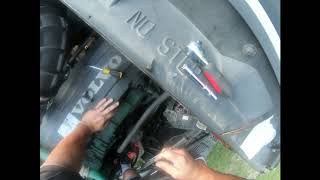
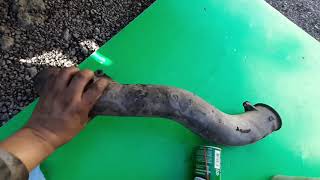
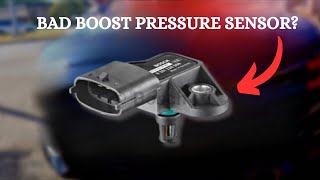
Technical Specifications
OEM Part Numbers: 22329559 21097978 22422785 20700060 20524936
This sensor is a 4-pin sensor that measures both pressure and temperature. It operates on a 5-volt reference signal from the ECM.
We Have This Part in Stock
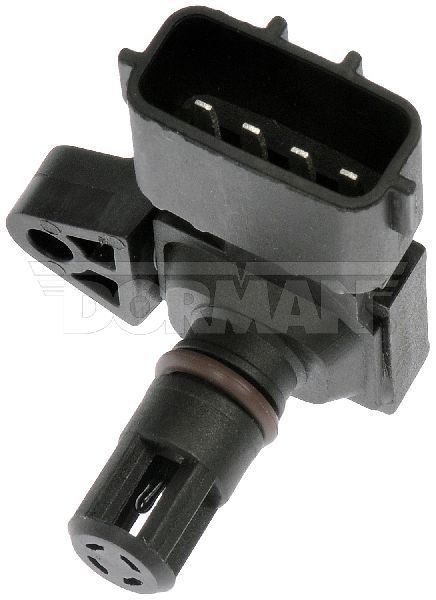
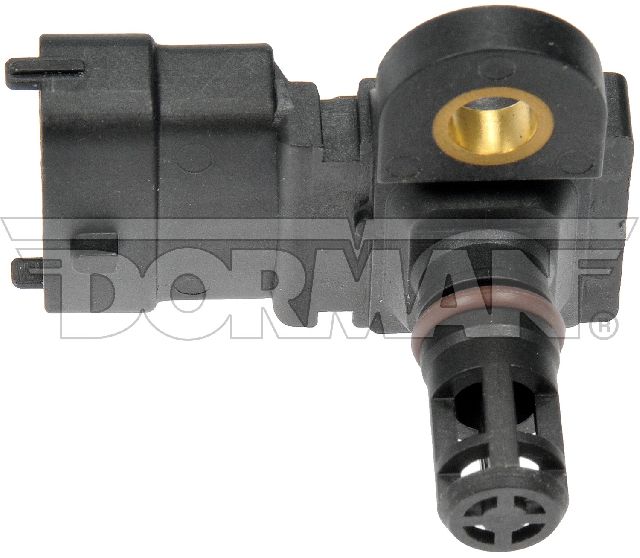
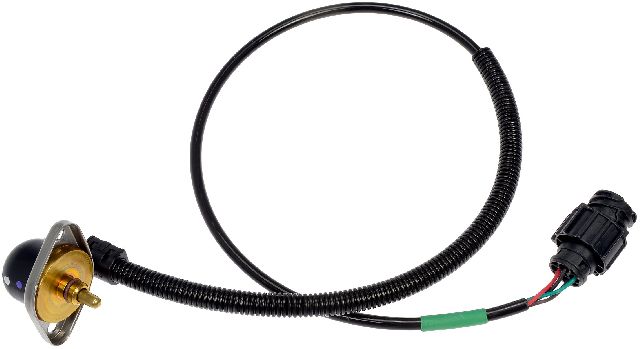
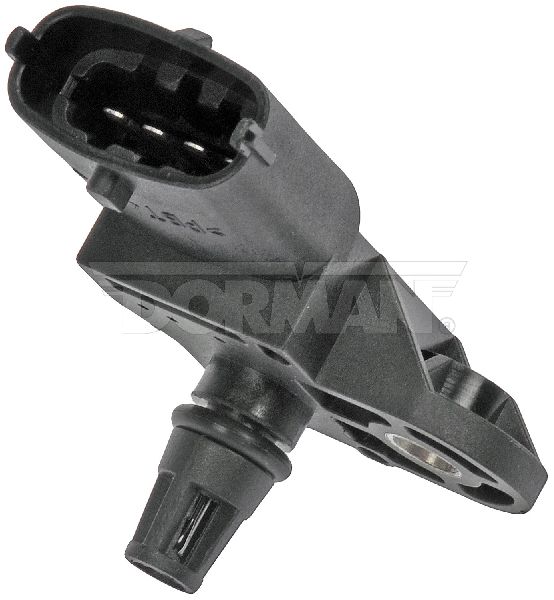

The information in this article is provided for general reference and educational purposes only. Vehicle specifications, procedures, and part compatibility can vary by production date, trim level, and region. Always consult your vehicle's factory service manual and verify part numbers before purchasing or performing repairs. Safety-critical components such as airbags, seat belts, and braking systems should be installed by a qualified professional.
- Volvo VNL:
- 🎬 Helpful Videos
- 🛍️ Shop This Part
- Is Your Volvo VNL Boost Sensor Failing?
- Common Symptoms of a Bad Boost Sensor:
- Can You Drive with a Bad Boost Sensor?
- Choosing the Right Aftermarket Boost Sensor
- Brand Tiers for Your Volvo VNL
- Cost of Replacing a Volvo VNL Boost Sensor
- Frequently Asked Questions
- 🎟️ Get 5% Off