

Ford Edge VVT Solenoid Guide for 2007-2023 Models
Experiencing rough idle or poor performance in your Ford Edge? Your VVT solenoid might be the culprit.
- A bad VVT solenoid in a Ford Edge causes a Check Engine Light, rough idle, power loss, and poor fuel economy.
- Symptoms like engine rattling can be a bad solenoid or a more serious timing chain problem, especially in 2007-2014 models.
- On V6 engines, replacing the rear (Bank 1) solenoids is a difficult job that requires removing the intake manifold.
- Always use high-quality oil and change it regularly to prevent VVT solenoid failure.
Understanding VVT Solenoid Failure in Your Ford Edge

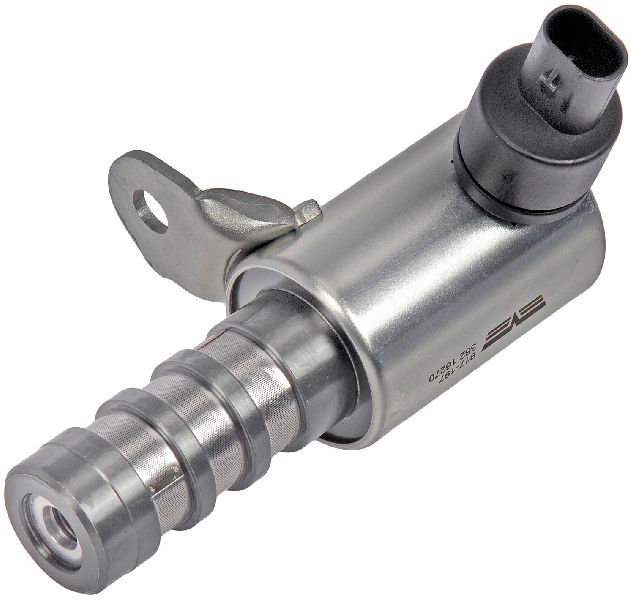
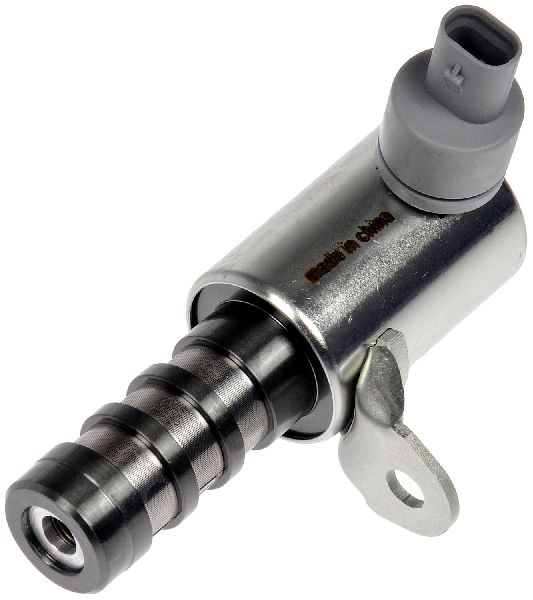
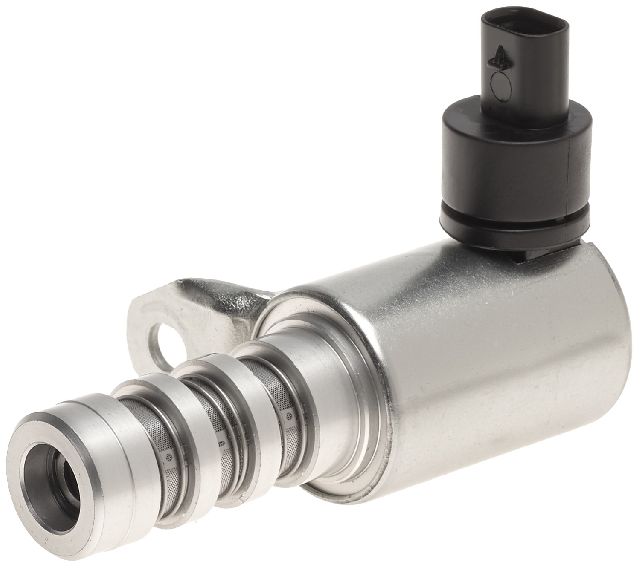
The VVT solenoids are essential for the proper operation of your Edge's 2.0L, 2.7L, or 3.5L engine. When they fail, it's usually due to oil-related issues. Dirty oil, low oil levels, or sludge can clog the fine mesh screens on the solenoids, preventing them from directing oil pressure correctly. This can lead to a range of engine performance problems, from a simple Check Engine Light to more serious issues if left unaddressed.
Is it the Solenoid or the Timing Chain?
For Ford Edge models, particularly those from 2007-2014 with the 3.5L V6, symptoms like a rattling noise can be confusing. This noise could point to a bad VVT solenoid or a more serious problem with the timing chain tensioners or guides. Often, a VVT solenoid issue will trigger specific diagnostic trouble codes (DTCs) related to camshaft position. If you see codes like P0016, P0017, P0018, or P0019, it often points to a correlation issue between the camshaft and crankshaft, which can be caused by a faulty solenoid or a stretched timing chain. It's crucial to diagnose the problem correctly, as a timing chain replacement is a much larger job.
Known Issues, Recalls, and TSBs
While there are no widespread recalls specifically for VVT solenoids on the Ford Edge, Ford has issued Technical Service Bulletins (TSBs) for rattling noises related to the VVT system on some models. Additionally, some 2021-2022 Edge models with the 2.7L EcoBoost engine were part of a recall (NHTSA ID: 24V635000) for intake valves that could break and cause engine failure, though this is not directly a VVT solenoid issue. Always check for the latest TSBs and recalls with your vehicle's VIN.
Choosing the Right Aftermarket VVT Solenoid

When replacing a VVT solenoid, you don't have to go back to the dealer. Aftermarket parts offer a reliable and cost-effective alternative. However, quality can vary between brands.
- Premium Brands (Standard Ignition, NGK/NTK): Brands like Standard Motor Products (SMP) and NGK are well-regarded in the aftermarket. They often serve as original equipment suppliers to many manufacturers and are known for their quality control and performance that meets or exceeds OE standards.
- Mid-Tier/Value Brands (Dorman, Gates, Walker): Dorman is a popular choice known for providing solutions that sometimes address weaknesses in the original factory design. While some users have mixed experiences with their electronic components, they are a readily available and generally reliable option. Gates and Walker Products also offer dependable solenoids that provide good value.
- Economy Options: While many budget-friendly brands are available, it's wise to be cautious. A VVT solenoid is a critical engine component. A low-quality part might fail prematurely, forcing you to do the job again. Sticking with established brands is a safer bet.
Pro Tip: Replace in Pairs or Sets
Your Ford Edge engine has multiple VVT solenoids (typically two or four, depending on the engine). If one has failed due to age or oil contamination, the others are likely not far behind. To save on future labor, it's often recommended to replace them all at the same time, especially the ones located under the same valve cover. Also, always replace the valve cover gasket and solenoid seals when doing this job to prevent oil leaks.
Cost to Replace Ford Edge VVT Solenoids

| Part/Service | Estimated Cost |
|---|---|
| New OEM VVT Solenoid (Each) | $80 - $180 |
| New Aftermarket VVT Solenoid (Each) | $32 - $130 |
| Shop Labor | $200 - $500+ |
Note: Labor costs can vary significantly. On V6 engines, the rear solenoids are much more labor-intensive to access than the front ones, as the intake manifold must be removed.
Frequently Asked Questions

How many VVT solenoids does my Ford Edge have?
It depends on your engine. The 3.5L and 3.7L V6 engines typically have four solenoids (two intake, two exhaust). The 2.0L EcoBoost 4-cylinder usually has two. Always verify the correct number for your specific year and engine configuration.
Can I clean a VVT solenoid instead of replacing it?
Some mechanics may attempt to clean a solenoid, and it can sometimes provide a temporary fix if the issue is just a clogged screen. However, failure is often electrical or internal. Given the labor involved to access the solenoids, especially the rear ones on a V6, replacement with a new part is the most reliable long-term solution.
What is the difference between Bank 1 and Bank 2?
On a V6 engine like the one in the Ford Edge, Bank 1 is the cylinder head on the firewall (rear) side of the engine. Bank 2 is on the radiator (front) side. This is important for diagnosing trouble codes, as they will specify which bank has the issue.
Do I need special tools to replace a VVT solenoid?
For the most part, you'll need basic hand tools like sockets and a ratchet. However, accessing the rear solenoids on the V6 requires removing the upper intake manifold, which is a more involved job. You will also need a torque wrench to properly tighten the valve cover and intake manifold bolts to factory specifications.
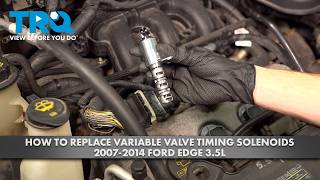
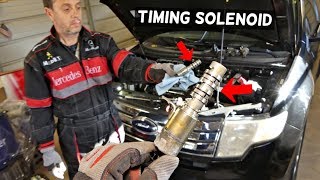
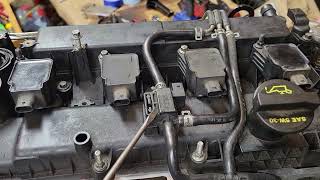
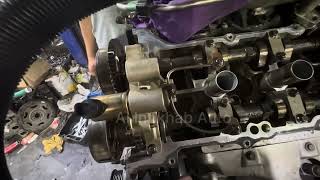
Helpful Videos

Technical Specifications
OEM Part Numbers: AT4Z6M280B
The number of solenoids varies by engine. The 3.5L/3.7L V6 engines use four solenoids (two per bank), while the 2.0L 4-cylinder uses two. Solenoids are located under the valve covers.
We Have This Part in Stock


The information in this article is provided for general reference and educational purposes only. Vehicle specifications, procedures, and part compatibility can vary by production date, trim level, and region. Always consult your vehicle's factory service manual and verify part numbers before purchasing or performing repairs. Safety-critical components such as airbags, seat belts, and braking systems should be installed by a qualified professional.
- Ford Edge:
- 🎬 Helpful Videos
- 🛍️ Shop This Part
- Understanding VVT Solenoid Failure in Your Ford Edge
- Is it the Solenoid or the Timing Chain?
- Known Issues, Recalls, and TSBs
- Choosing the Right Aftermarket VVT Solenoid
- Pro Tip: Replace in Pairs or Sets
- Cost to Replace Ford Edge VVT Solenoids
- Frequently Asked Questions
- 🎟️ Get 5% Off