

Lexus ES350 Engine Coolant Temperature Sensor: A Complete Guide (2007-2023)
Resolving check engine lights, poor fuel economy, and overheating issues related to a faulty coolant sensor in your ES350.
- A bad coolant sensor on your ES350 will most often cause a Check Engine Light (P0115, P0117, P0118), poor gas mileage, and potential overheating.
- For a guaranteed fix, choose a Denso-branded sensor, as they are the likely original manufacturer for Lexus.
- Replacement is a simple DIY task for many owners, typically taking less than 30 minutes with basic tools.
- Owners of 2016-2018 models should be aware of a TSB regarding an erratic temperature gauge that may not be caused by the sensor itself.
Is Your ES350 Sensor Failing? Common Symptoms
A failing coolant temperature sensor can cause a range of problems. Because the sensor's data is so important, a bad signal can confuse your car's computer. You might notice one or more of the following issues:
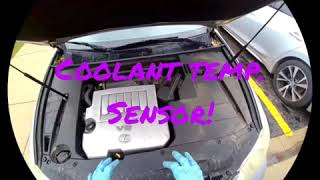
- Check Engine Light: This is the most common sign. A faulty sensor will trigger diagnostic trouble codes like P0115, P0117, or P0118, which illuminates the check engine light. 🎬 See how to find the sensor after a P0117 code.
- Poor Fuel Economy: If the sensor incorrectly tells the computer the engine is cold, the computer will enrich the fuel mixture, causing you to use more gas.
- Black Smoke from Exhaust: A very rich fuel mixture from a bad sensor signal can result in unburned fuel exiting through the exhaust, appearing as black smoke.
- Engine Overheating or Fans Always On: The sensor controls the cooling fans. A bad sensor might fail to turn them on, leading to overheating, or it might leave them running constantly.
- Rough Idling and Stalling: Incorrect temperature readings can lead to the wrong fuel and air mixture, causing the engine to run poorly, especially when cold.
- Erratic Temperature Gauge: The gauge on your dashboard might fluctuate wildly or show a reading that doesn't make sense.
Vehicle-Specific Issue: 2016-2018 ES350
Lexus issued Technical Service Bulletin (TSB) L-SB-0049-18 for some 2016-2018 ES350 models. Owners might experience the engine coolant temperature gauge intermittently reading at maximum (hot) with no other signs of overheating. If you see this specific symptom, the problem could be related to the instrument cluster or wiring, not necessarily the sensor itself. A Lexus dealership can diagnose this specific condition.
Choosing the Right Aftermarket Sensor
The original sensor in your Lexus is high quality, but many aftermarket options perform just as well for a lower price. They generally fall into three categories.
Tier 1: OEM & OEM Supplier
This is the safest choice for guaranteed fit and performance. The original part was likely made by Denso, a major supplier to Toyota and Lexus. Buying a sensor from Lexus or a Denso-branded sensor from the aftermarket is your best bet for original quality.
- Lexus (Genuine): The original part, sold in a Lexus box. The primary OEM part number is 89422-33030.
- Denso: As the likely original equipment manufacturer, a Denso-branded sensor is essentially the same part without the Lexus logo, often at a lower price.
Tier 2: Trusted Aftermarket Brands
These brands are well-known in the industry for producing reliable parts that meet or exceed OEM specifications. They offer a great balance of quality and price.
- Delphi: A major OEM supplier for many car brands with a strong reputation in electronics.
- NGK/NTK: Famous for spark plugs, their sensor line (NTK) is also highly regarded.
- Standard Motor Products (SMP): A long-standing, reputable American manufacturer of engine management parts.
- Beck Arnley: Specializes in sourcing parts that match the original form, fit, and function for import vehicles.
- Walker Products: A major producer of fuel and engine management components.
Tier 3: Economy Brands
These brands offer the lowest prices. They can be a good choice for a tight budget, but quality can sometimes be inconsistent compared to premium brands. These may not have the same longevity.
- URO Parts: Primarily known for European car parts, they offer budget-friendly options for many makes.
- Facet: An established brand offering a wide range of electronic components.
- Holstein, Four Seasons, Global Parts: These brands provide functional, cost-effective replacement parts.
Pro Tip: Check the Connector
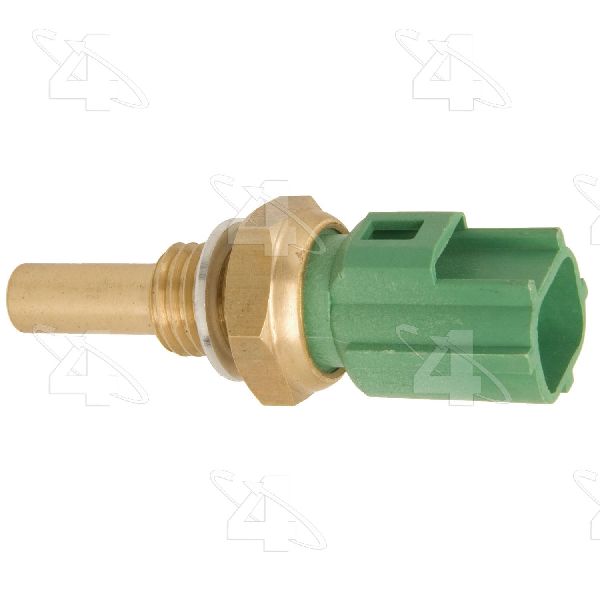
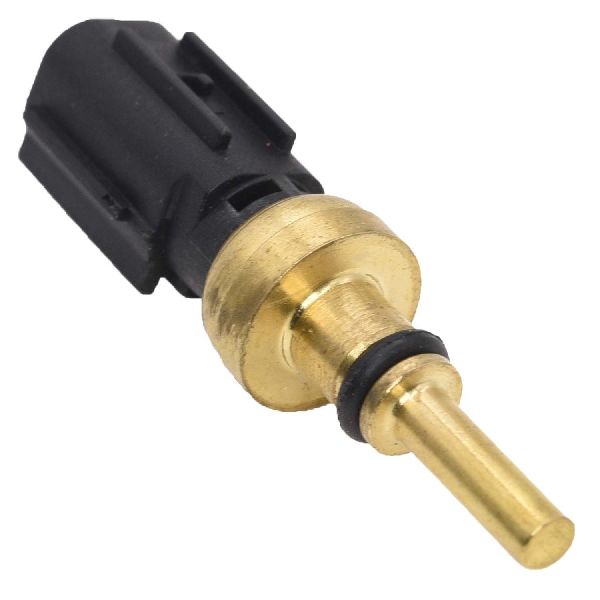
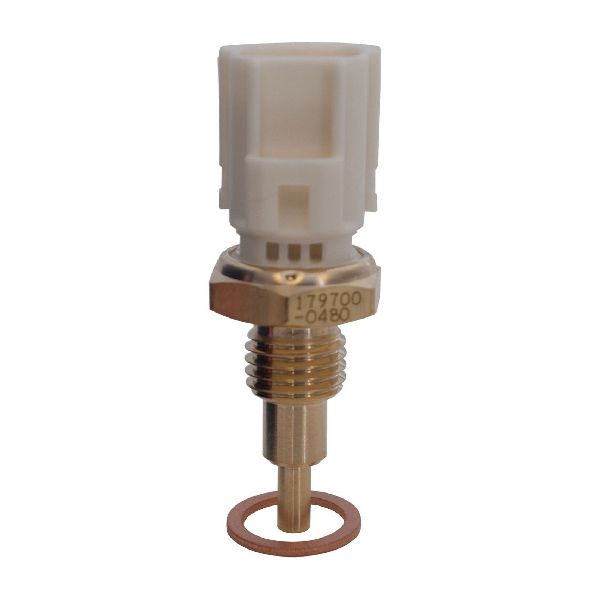
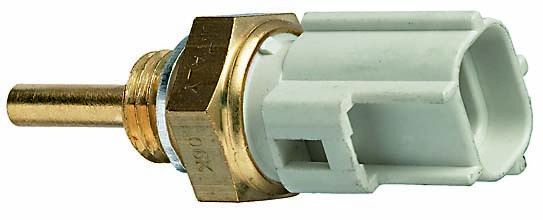
Before ordering, it's a good idea to look at the sensor on your car. Over the long 2007-2023 production run, connector colors and shapes can vary. While most are interchangeable, matching the color (often green or gray) can provide extra peace of mind. Also, check the wiring connector for damage or corrosion, as this can cause the same symptoms as a bad sensor.
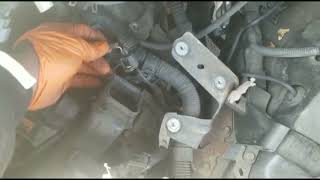
🎬 Watch: How to replace a damaged sensor and wiring connector.Cost of Replacing the ES350 Coolant Sensor
| Item | Price Range |
|---|---|
| New Aftermarket Part | $13.46 - $85.12 |
| New OEM Part (Lexus) | $72.00 - $98.00 |
| Shop Labor Cost | $100.00 - $200.00 |
| Estimated Total (Shop) | $125.00 - $285.00 |
Note: Costs are estimates and can vary by location and repair shop. The high labor estimates found on some repair sites (up to $453) may include extensive diagnostic time, which is often not needed for a straightforward sensor replacement.
Frequently Asked Questions
Where is the coolant temperature sensor on my Lexus ES350?
The sensor is located on the engine block. To find it, follow the large upper radiator hose to where it connects to the engine. The sensor is a small, two-wire plug screwed into the engine housing nearby.
Do I have to drain the coolant to replace the sensor?
You don't have to drain the entire system. However, since the sensor sits in a coolant passage, some coolant will spill when you remove it. To minimize loss, have the new sensor ready to screw in immediately after removing the old one. Alternatively, you can drain about a gallon of coolant from the radiator before you start.
What is "fail-safe mode"?
When the car's computer gets a bad or no signal from the ECT sensor, it enters a fail-safe mode to protect the engine. It assumes a default coolant temperature, often around 176°F (80°C). This allows the car to run but results in poor performance and high fuel consumption because the engine's true temperature isn't known.
Is it difficult to replace the sensor myself?
For most people with basic tools, this is an easy DIY job. It typically requires only a deep socket (19mm or 3/4 inch) and a ratchet. The sensor is usually accessible after removing the plastic engine cover. The entire job can often be done in under 30 minutes.
🎬 Watch this quick walkthrough to replace your ES350 sensor.Helpful Videos


Technical Specifications
OEM Part Numbers: 89422-33030 89422-06010 89422-47010 89422-33040
2-pin connector, threaded body with washer. Typically green or gray plastic connector.
We Have This Part in Stock


The information in this article is provided for general reference and educational purposes only. Vehicle specifications, procedures, and part compatibility can vary by production date, trim level, and region. Always consult your vehicle's factory service manual and verify part numbers before purchasing or performing repairs. Safety-critical components such as airbags, seat belts, and braking systems should be installed by a qualified professional.
- Lexus ES350:
- 🎬 Helpful Videos
- 🛍️ Shop This Part
- Is Your ES350 Sensor Failing? Common Symptoms
- Vehicle-Specific Issue: 2016-2018 ES350
- Choosing the Right Aftermarket Sensor
- Tier 1: OEM & OEM Supplier
- Tier 2: Trusted Aftermarket Brands
- Tier 3: Economy Brands
- Pro Tip: Check the Connector
- Cost of Replacing the ES350 Coolant Sensor
- Frequently Asked Questions
- 🎟️ Get 5% Off