

A Practical Guide to the 2008-2009 Pontiac G8 Engine Coolant Temperature Sensor
Everything a G8 owner needs to know about diagnosing and replacing a faulty engine coolant temperature sensor.
- A faulty ECT sensor can cause a wide range of issues, from bad gas mileage to overheating.
- The trouble code P0128 often indicates a bad thermostat, not necessarily a bad sensor.
- For best results, choose an OEM/OE brand like ACDelco or Delphi for this replacement.
- Replacement is a simple DIY job for most, with the sensor being fairly accessible on both V6 and V8 engines.
Is Your G8 Acting Up? It Could Be the Coolant Temp Sensor
A failing Engine Coolant Temperature (ECT) sensor can cause a surprising number of problems with your 2008-2009 Pontiac G8. Because the sensor provides critical data to the engine's computer, a bad signal can make the computer think the engine is hot when it's cold, or cold when it's hot. This leads to poor performance, bad fuel economy, and can even prevent the car from starting. Understanding the symptoms is the first step to getting your G8 running right again.
Common Symptoms of a Failing ECT Sensor
- Check Engine Light: This is often the first sign. The computer will log a fault code, such as P0117, P0118, or P0128.
- Poor Fuel Economy: If the sensor tells the computer the engine is always cold, the computer will enrich the fuel mixture, wasting gas.
- Black Smoke from Exhaust: A very rich fuel mixture from a bad sensor reading can result in unburnt fuel exiting through the exhaust as black smoke.
- Engine Overheating or Running Too Cool: A faulty sensor may fail to trigger the cooling fans when needed, causing overheating. Conversely, an incorrect reading can make the temperature gauge behave erratically, dropping to cold even when the engine is warm.
- Rough Idle and Poor Performance: The engine may run rough, hesitate, or feel sluggish because the fuel mixture and ignition timing are incorrect for the actual engine temperature.
- Hard Starting: Starting a cold or hot engine requires a specific fuel mixture. A bad sensor reading can make starting difficult.
A Note on Code P0128
The trouble code P0128 (Coolant Temperature Below Thermostat Regulating Temperature) is common on the G8. While this can be caused by a faulty sensor, it more often points to a thermostat that is stuck open. If you have this code, it's wise to inspect or replace the thermostat first, as it is the most likely culprit.
Choosing the Right Aftermarket Sensor
When replacing the ECT sensor on your G8, you have several options. For a critical sensor like this, sticking with higher-quality brands is recommended to ensure accurate readings and long life.
Tier 1: OEM and OE-Equivalent Brands
These are your safest bet for fit, function, and accuracy. They are either the original part manufacturer or a direct equivalent.
- ACDelco: As the original equipment manufacturer for General Motors, ACDelco is the benchmark. Choosing their GM Genuine part is the closest you can get to the factory original.
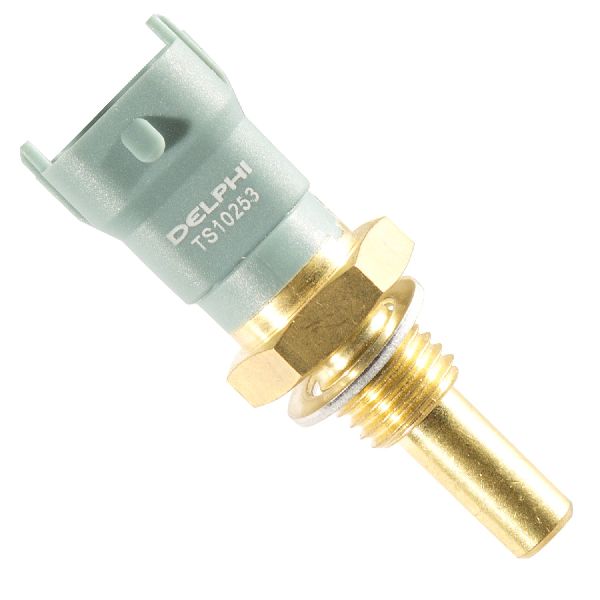
- Delphi: Delphi was once part of GM and is a major OE supplier for many electronic parts. Their sensors are widely considered to be of the same quality as ACDelco, and sometimes they are the exact same part in a different box.
Pro Tip: Even with top brands, some owners on forums have reported new sensors reading slightly differently than the old ones. This is often due to minor variations in manufacturing. As long as the sensor operates correctly and doesn't cause engine issues, a small difference on the gauge is not usually a concern.
Tier 2: Trusted Aftermarket Brands
These brands have a strong reputation for quality and are excellent alternatives to the OE parts, often at a better price.
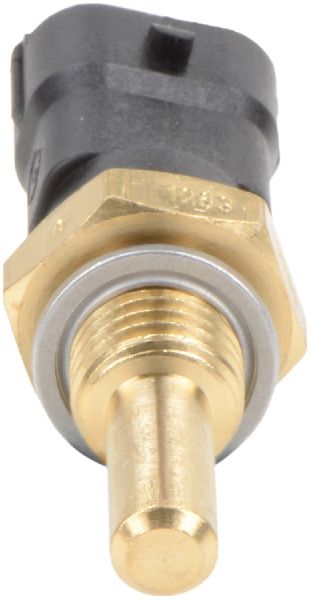
- Bosch: A massive German company known for high-quality automotive electronics.
- NGK / NTK: While famous for spark plugs, their NTK electronics division produces top-tier sensors.
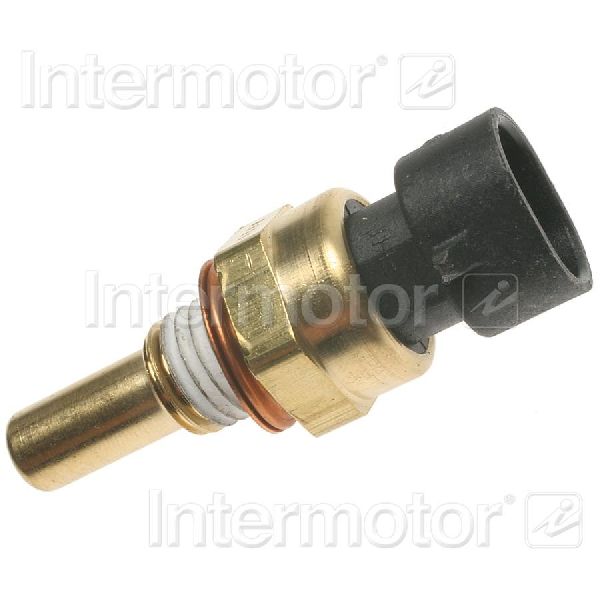
- Standard Motor Products (Standard Ignition): A long-standing, reputable American company that manufactures reliable replacement parts.
Tier 3: Budget-Friendly Options
Brands like Facet, Four Seasons, Walker Products, and others offer a more economical choice. While they can be a good value, quality and longevity can be less consistent than with premium brands. They are best suited for budget-conscious repairs where a top-tier part isn't a priority.
| Item | Estimated Cost |
|---|---|
| New Aftermarket Part | $15 - $42 |
| New OEM Part (ACDelco) | $30 - $60 |
| Shop Labor | $60 - $150 |
| Total Professional Replacement | $75 - $210 |
Frequently Asked Questions
Where is the ECT sensor located on the Pontiac G8?
The location depends on your engine. For the 3.6L V6 model, the sensor is on the driver's side of the engine, near the oil dipstick. For the 6.0L and 6.2L V8 models, it is typically located on the front of the driver's side cylinder head.
Is this a difficult part to replace myself?
For most DIY mechanics, this is a relatively easy job. It requires basic tools to access and unscrew the sensor. The main challenge is that some coolant will spill when you remove the old sensor, so the engine should be cool, and you should be prepared to catch the fluid and top off the system afterward. The job typically takes less than an hour.
My temperature gauge is acting weird. Is it the sensor or the thermostat?
It could be either, but they cause different symptoms. A sensor failure often causes erratic gauge behavior (jumping from hot to cold) or a gauge that is clearly wrong (reads hot on a cold start). A failing thermostat, especially one stuck open, usually results in the engine taking a very long time to warm up or the temperature dropping way down during highway driving. A P0128 code usually points to the thermostat.
Do I need to check the sensor's electrical connector?
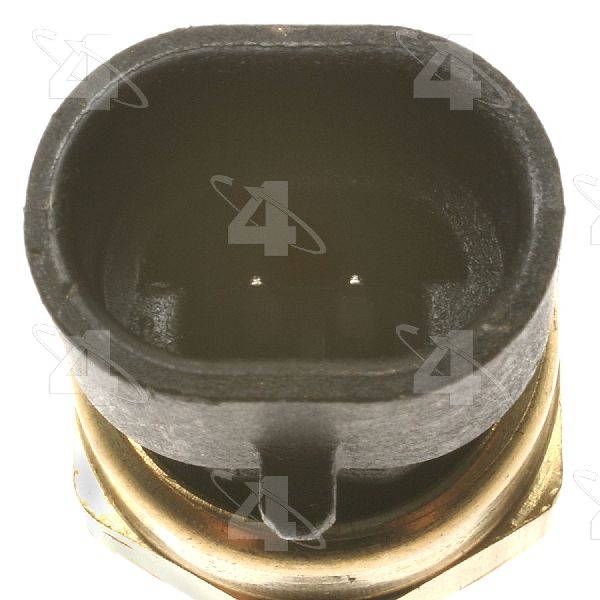
Yes, it's a great idea. Over time, the plastic connector and wires can become brittle from heat. A poor connection or damaged wires can cause the same symptoms as a failed sensor. Always inspect the connector and wiring for damage when replacing the sensor.
Technical Specifications
OEM Part Numbers: 12608814 12639899 15326388 213-4514
2-pin, brass construction, includes o-ring or thread sealant.
We Have This Part in Stock


The information in this article is provided for general reference and educational purposes only. Vehicle specifications, procedures, and part compatibility can vary by production date, trim level, and region. Always consult your vehicle's factory service manual and verify part numbers before purchasing or performing repairs. Safety-critical components such as airbags, seat belts, and braking systems should be installed by a qualified professional.
- Pontiac G8:
- 🛍️ Shop This Part
- Is Your G8 Acting Up? It Could Be the Coolant Temp Sensor
- Common Symptoms of a Failing ECT Sensor
- A Note on Code P0128
- Choosing the Right Aftermarket Sensor
- Tier 1: OEM and OE-Equivalent Brands
- Tier 2: Trusted Aftermarket Brands
- Tier 3: Budget-Friendly Options
- Frequently Asked Questions
- 🎟️ Get 5% Off