

Engine Coolant Temperature Sensor Guide for the 2008-2011 Lexus GS460
Keep your GS460's V8 running smoothly by understanding, diagnosing, and replacing a faulty engine coolant temperature sensor.
- Denso is the original equipment (OEM) manufacturer; choosing a Denso aftermarket sensor is the most reliable option.
- Symptoms often include a check engine light (P0117/P0118), poor fuel economy, and incorrect temperature gauge readings.
- The sensor is located in a tight spot at the rear of the engine, making replacement a bit challenging for DIY.
- Driving with a failed sensor is not advised as it can lead to poor performance and potential engine overheating.
Is Your GS460's Engine Coolant Temp Sensor Failing?
A faulty Engine Coolant Temperature (ECT) sensor on the 2008-2011 Lexus GS460 can cause a range of confusing issues. Because the ECU relies on this sensor for accurate temperature data, a bad sensor can make the computer think the engine is hotter or colder than it actually is. This leads to poor performance, bad fuel economy, and other symptoms that can be frustrating for any owner.
🎬 Watch this video to learn more about ECT sensor failure.Common Symptoms of a Bad ECT Sensor
- Check Engine Light: The most common sign is a Check Engine Light with codes like P0117, P0118, or P0128.
- Poor Fuel Economy: If the sensor incorrectly tells the ECU the engine is cold, the computer will enrich the fuel mixture, causing you to use more gas.
- Black Smoke or Rich Smell: A rich fuel mixture can lead to black smoke from the exhaust, especially during warm-up.
- Engine Overheating or Overcooling: An incorrect reading can cause the cooling fans not to turn on when needed, leading to overheating. Conversely, it might cause the temperature gauge to read incorrectly, showing hot when the engine is not.
- Rough Idle and Poor Performance: The engine may run rough, hesitate, or feel sluggish because the fuel and timing adjustments are based on bad information.
Choosing the Right Aftermarket Sensor for Your GS460
When replacing the ECT sensor on your Lexus, you have a choice between the original equipment manufacturer (OEM) part and several aftermarket brands. For a critical sensor like this, quality matters.
OEM vs. Aftermarket: The original sensor for your GS460 is made by Denso. For reliability and perfect fit, choosing a Denso-branded aftermarket sensor is the safest bet, as it's the same part you'd get from the dealer without the dealership price tag. Other brands offer a range of quality and price.
Aftermarket Brand Tiers
- Tier 1 (OEM Quality): Denso is the OEM supplier and the top recommendation. NGK/NTK and Standard Motor Products (SMP) are also highly reputable brands known for quality electronics that meet or exceed OEM specifications.
- Tier 2 (Reputable Aftermarket): Beck Arnley often sources parts from various manufacturers, sometimes even repackaging the OEM part, making them a solid choice. Delphi is another established brand with a good reputation for electronic components.
- Tier 3 (Budget Options): Brands like URO Parts, Facet, and Four Seasons offer a more budget-friendly price point. While they can be a viable option, especially for a simple sensor, quality can sometimes be inconsistent compared to Tier 1 brands. For a critical component on a high-performance engine like the GS460's 1UR-FE, sticking with Tier 1 or Tier 2 is generally recommended.
Pro Tip: Check the Connector
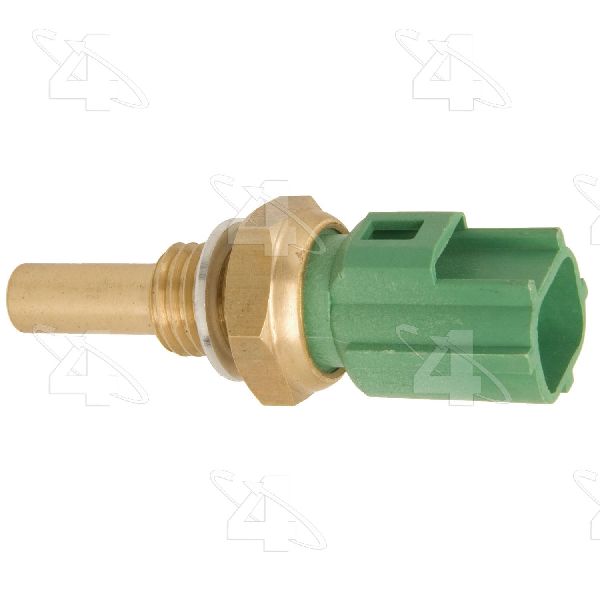
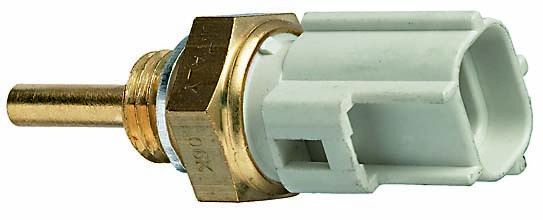
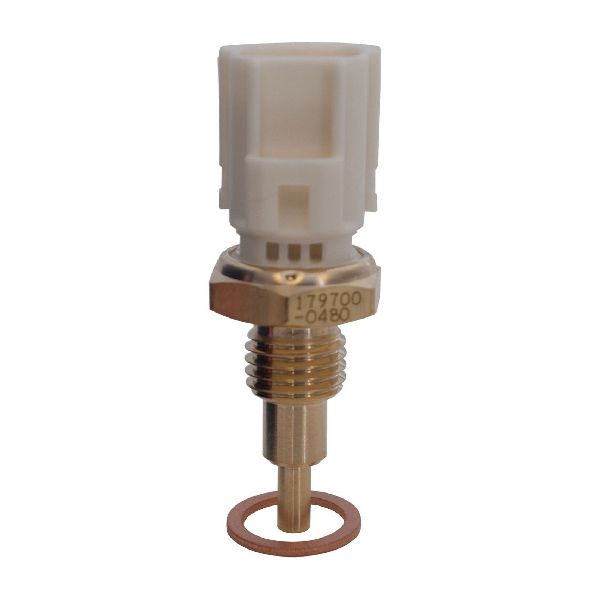
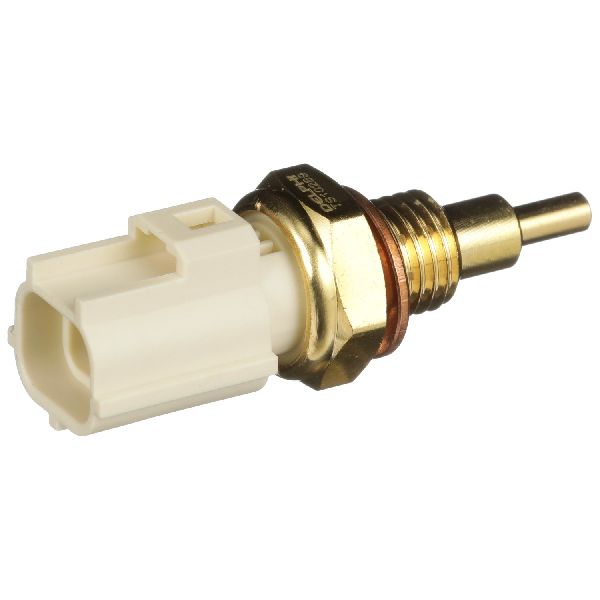
Before ordering, it's always a good idea to visually inspect the sensor on your vehicle. Confirm the connector shape (typically a 2-pin rectangular plug) to avoid ordering the wrong part. Also, consider replacing the small O-ring or gasket at the same time for a leak-free seal.
Installation Overview
On the GS460, the ECT sensor is located on the engine, often near the thermostat housing at the back of the engine. Access can be tight. While the replacement itself is simple—unplug the connector, unscrew the old sensor, and screw in the new one—getting to it may require removing some intake components. The job is feasible for a DIY mechanic with basic tools, but patience is required. 🎬 Follow this step-by-step guide to replacing your Lexus sensor. Always perform this work on a cold engine to avoid burns and coolant spills.
| Item | Estimated Cost |
|---|---|
| New OEM Part (Lexus) | $78 - $105 |
| New Aftermarket Part | $14 - $83 |
| Shop Labor | 🎬 See a breakdown of symptoms and typical replacement costs.$90 - $180 |
Frequently Asked Questions
Where is the ECT sensor located on my 2008-2011 GS460?
The sensor is typically located at the rear of the 1UR-FE engine, on a coolant passage. It can be difficult to see without removing some air intake parts. A video for a similar GS450h shows it located under the intake and throttle body area on the passenger side of the engine.
Can I drive my GS460 with a bad ECT sensor?
It is not recommended for long. When the sensor fails, the ECU enters a fail-safe mode, often assuming a fixed temperature like 176°F (80°C). This can lead to poor performance, terrible gas mileage, and potentially cause the engine to overheat without you knowing, risking serious damage.
Are there any recalls for the ECT sensor on the GS460?
No, there are no specific recalls or Technical Service Bulletins (TSBs) found for the engine coolant temperature sensor on the 2008-2011 Lexus GS460. There was a recall (ELF) for a fuel pressure sensor gasket, but this is unrelated to the coolant sensor.
Do I need to drain the coolant to replace the sensor?
You don't need to drain the entire system. However, since the sensor sits in a coolant passage, some coolant will spill out when you remove it. Work quickly to swap the old sensor with the new one to minimize loss, and have some Lexus-approved coolant on hand to top off the system afterward.
Helpful Videos

Technical Specifications
OEM Part Numbers: 89422-30030 89422-33030
2-pin rectangular connector, M12 x 1.50 thread size.
We Have This Part in Stock


The information in this article is provided for general reference and educational purposes only. Vehicle specifications, procedures, and part compatibility can vary by production date, trim level, and region. Always consult your vehicle's factory service manual and verify part numbers before purchasing or performing repairs. Safety-critical components such as airbags, seat belts, and braking systems should be installed by a qualified professional.
- Lexus GS460: