

2008-2012 Dodge Challenger Relay and Electrical Troubleshooting Guide
Solving common starting problems and electrical glitches in your Challenger starts with understanding its relays.
- The most common relay issue is the internal fuel pump relay in the TIPM, which causes crank-no-start or stalling.
- The widely accepted fix for a bad internal fuel pump relay is to install an external relay and harness.
- Standard plug-in relays for other systems (horn, A/C) are simple to replace and can be diagnosed by swapping with a known good relay.
- An aftermarket relay is a cost-effective and reliable choice for replacing a standard plug-in relay.
Understanding Challenger Relay Problems

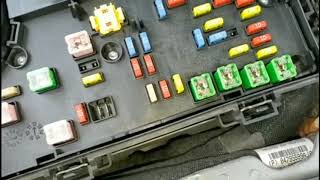
If you own a 2008-2012 Dodge Challenger, you might face frustrating electrical issues. The most common problem isn't a simple, plug-in relay failure. It's often related to the Totally Integrated Power Module, or TIPM. The TIPM is the main fuse box and electrical control center of your car. Unfortunately, for this generation of Challenger, the fuel pump relay is soldered directly to the TIPM's internal circuit board, making it impossible to replace like a standard relay.
When this internal fuel pump relay fails, it can cause your engine to crank but not start, or worse, stall unexpectedly while driving. Other signs of a failing TIPM include the horn blaring randomly, wipers activating on their own, or power windows not working correctly.
Symptoms of a Failing Relay

While the fuel pump relay is the most common culprit, other relays can fail too. Here’s what to look for:
- Engine cranks but won't start: This is the classic symptom of a bad fuel pump relay. The starter turns the engine, but the fuel pump isn't getting power to send fuel.
- Engine stalls while driving: A failing fuel pump relay can cut power intermittently, causing the engine to shut off without warning. This is a serious safety concern.
- Component doesn't work: If your horn, A/C, or headlights don't turn on, a simple plug-in relay could be the cause. You can often swap a suspect relay with a known good one (for a non-critical system) to test it.
- Battery drain: In rare cases, a relay can get stuck in the 'on' position, keeping a component like the fuel pump running even when the car is off, draining your battery.
The TIPM Fuel Pump Relay Issue
Chrysler issued recalls for the faulty internal fuel pump relay on similar vehicles like the Dodge Durango and Jeep Grand Cherokee. The official fix involves installing an external relay kit 🎬 Watch: How to install an external fuel pump relay bypass that bypasses the failed internal one. Many Challenger owners experiencing fuel pump relay symptoms adopt this same solution.
Choosing an Aftermarket Relay

The individual relays in your Challenger's fuse box are standard, cube-shaped parts. For these, a quality aftermarket 'Replacement' brand relay is a perfectly acceptable and cost-effective choice compared to a dealer part. These relays are used for systems like the horn, starter, and A/C clutch. If you are implementing the external fuel pump relay fix, an aftermarket relay is also a key component of the bypass harness.
| Part Type | Estimated Cost |
|---|---|
| New OEM (Mopar) | $15 - $32 |
| New Aftermarket (Replacement) | $17.03 - $17.03 |
| Shop Labor | $50 - $100 |
Pro Tip: Relay Swapping
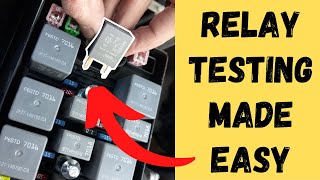
Your Challenger's fuse box has several identical relays. If you suspect a bad relay for a non-essential component (like the horn), you can swap it with the relay from a critical component (like the fuel pump) to see if the problem moves. If your horn starts working and the car doesn't start, you've found your bad relay.
Frequently Asked Questions (FAQ)

Is there a recall for the fuel pump relay on my 2008-2012 Challenger?
While there were major recalls (like NHTSA 15V-115) for faulty fuel pump relays inside the TIPM, they primarily focused on other Dodge and Jeep models like the Durango and Grand Cherokee. Even though the Challenger can suffer from the exact same problem, it was not officially included in those specific recalls. The common solution is to install an external relay kit.
Can I replace a relay myself?
Yes, replacing a standard plug-in relay is one of the easiest repairs you can do. They are located in the fuse box under the hood, and you simply pull the old one out and push the new one in. No special tools are needed. However, installing an external fuel pump relay bypass kit is more complex and requires cutting and splicing wires.
What's the difference between a fuse and a relay?
A fuse is a safety device designed to burn out and break a circuit during a power surge, protecting the component. A relay is a switch that turns the circuit on and off. 🎬 Watch: How relays work and how to test them If a component doesn't work, check the fuse first. If the fuse is good, the relay is the next logical part to check.
My car cranks but won't start. Is it definitely the relay?
A failed fuel pump relay is a very common cause for a crank-no-start condition on these Challengers. However, other issues like a bad fuel pump, a clogged fuel filter, or ignition problems can cause similar symptoms. A mechanic can test for fuel pressure to help diagnose the problem correctly.
Helpful Videos
Technical Specifications
OEM Part Numbers: 68382350AA
Standard 4 or 5-pin ISO Relay

The information in this article is provided for general reference and educational purposes only. Vehicle specifications, procedures, and part compatibility can vary by production date, trim level, and region. Always consult your vehicle's factory service manual and verify part numbers before purchasing or performing repairs. Safety-critical components such as airbags, seat belts, and braking systems should be installed by a qualified professional.
- Dodge Challenger: