

Ford Ranger Serpentine Belt Replacement Guide (2008-2012)
Everything a Ranger owner needs to know about choosing the right new aftermarket serpentine belt for their truck.
- A squealing noise is the most common sign of a failing serpentine belt; inspect it immediately.
- Premium aftermarket brands like Gates, Continental, and Dayco offer OEM-quality or better for a lower price.
- Always inspect the tensioner and idler pulleys when replacing the belt and replace them if they feel rough or noisy.
- Ensure you buy the correct belt for your specific engine (2.3L or 4.0L) as they are not interchangeable.
Is Your Serpentine Belt Failing?

A serpentine belt is a wear-and-tear item. Made of durable rubber compounds like EPDM, they are designed to last a long time, but not forever. For the 2008-2012 Ford Ranger, you should inspect the belt around 60,000 miles and plan on replacing it by 90,000 miles as preventative maintenance. However, a belt can fail earlier. Here are the common symptoms that your belt needs to be replaced:
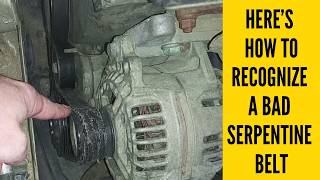
🎬 Watch this video to see and hear common belt failure symptoms.- Squealing or Chirping Noises: This is the most common sign. A high-pitched squeal or chirp from the engine bay, especially on startup or when the A/C is on, often means the belt is slipping because it's worn or loose.
- Visible Wear and Tear: Pop the hood and look at the belt. If you see cracks, fraying, missing chunks, or a glazed, shiny appearance on the ribbed side, it's time for a new one.
- Accessory Problems: If your power steering feels heavy, the A/C isn't blowing cold, or your battery light comes on, it could be because the belt isn't properly powering those components.
- Engine Overheating: The serpentine belt drives the water pump. If the belt slips or breaks, the pump stops circulating coolant, causing the engine to overheat quickly. This is a critical failure.
Check the Pulleys and Tensioner
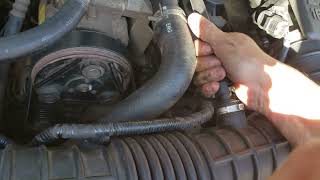
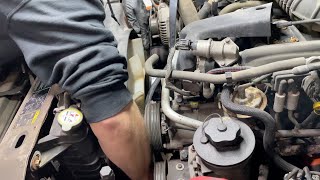
Sometimes, a noisy belt isn't the belt's fault. A worn-out tensioner or a bad bearing in an idler pulley can cause squealing or shred a new belt. When replacing your belt, spin each pulley by hand (with the engine off). They should spin smoothly and quietly. If a pulley feels rough, wobbles, or makes noise, it should be replaced along with the belt.
Choosing the Right Aftermarket Belt

For the 2008-2012 Ford Ranger, you don't need to pay extra for a Motorcraft-branded belt from the dealer. High-quality aftermarket brands often supply the OEM parts and offer the same, if not better, performance for less money. Here’s a breakdown of trusted brands:
- Premium Aftermarket (Gates, Continental, Dayco): These are top-tier brands trusted by professional mechanics. They use high-quality EPDM rubber compounds that resist heat and cracking, ensuring a long service life. Many Ranger owners in forums prefer Gates or Continental (formerly Goodyear Gatorback) for their quiet operation and durability. You can't go wrong with any of these three.
- OEM (Motorcraft): Motorcraft belts are excellent quality and provide a perfect fit, but they are often identical to a premium aftermarket belt in a different box, just at a higher price. If the price is comparable, it's a fine choice, but don't feel you have to buy it for reliability.
- Budget-Friendly (Skyward): Economy brands can be a good option if you're on a tight budget. However, their lifespan and material quality may not match the premium brands. They may work well, but you might be replacing it sooner.
Pro Tip: Your Ranger came with either a 2.3L 4-cylinder or a 4.0L V6 engine. These engines use different length serpentine belts. Always confirm your engine size before ordering to ensure you get the correct part. The belt routing diagram is usually on a sticker under the hood.
Estimated Replacement Costs
Replacing a serpentine belt on a 2008-2012 Ranger is a straightforward job. Here's what you can expect to pay:
| Part Type | Estimated Cost |
|---|---|
| New Aftermarket Serpentine Belt | $21 - $69 |
| Shop Labor | $75 - $150 |
| DIY Savings (Total) | ~$75 - $150 |
Frequently Asked Questions

Should I replace the belt tensioner at the same time?
It's highly recommended. The tensioner has an internal spring and a pulley bearing that wear out over time. A weak tensioner can't keep the belt tight, leading to slipping and noise, even with a new belt. Replacing them together is smart preventative maintenance and saves you from doing the job twice.
Is this a difficult job to do myself?
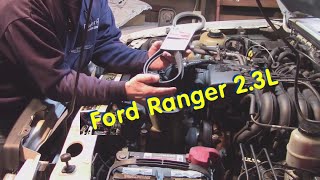
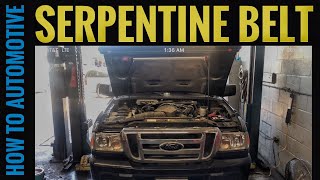
No, for most DIYers this is a relatively easy job. The main tool you'll need is a serpentine belt tool or a long-handled ratchet (a 3/8" drive for the 4.0L, 🎬 Follow this step-by-step guide for 4.0L engine belt replacement. 15mm for the 3.0L, and a breaker bar for the 2.3L) 🎬 See how to replace the belt on a 2.3L Ford Ranger. to release the tensioner. The most important part is making sure you route the new belt correctly. Take a picture of the old belt's path before you remove it.
What's the difference between the 2.3L and 4.0L V6 belts?
The main difference is the length and routing path. The accessory layout on the 4-cylinder and V6 engines is different, so they require specific belts. There is no interchangeability; you must buy the belt that matches your engine.
Can I drive with a squealing serpentine belt?
You can, but you shouldn't for long. A squealing belt is a warning that it's failing. If it breaks while you're driving, you will lose power steering, the alternator will stop charging the battery, and the engine will quickly overheat, which can cause catastrophic engine damage. It's best to replace it as soon as you hear the noise.
Helpful Videos
Technical Specifications
OEM Part Numbers: JK6-982 6L5Z-8620-A 1L5Z-8620-AB
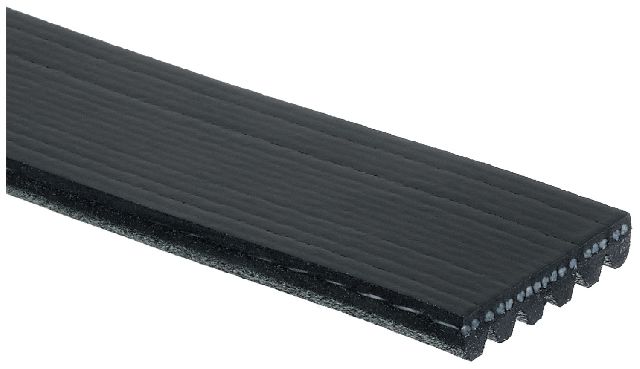
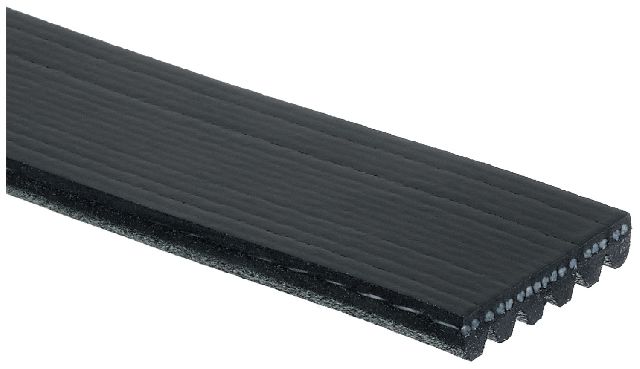
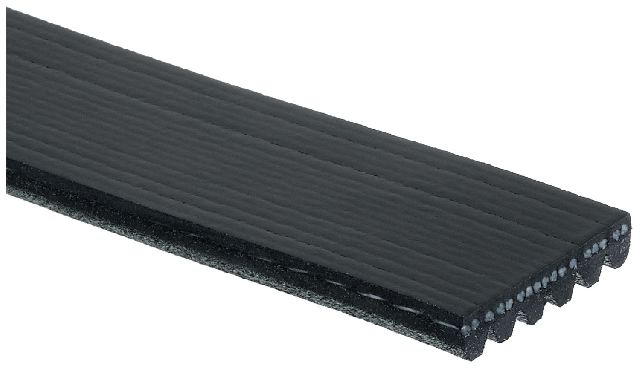
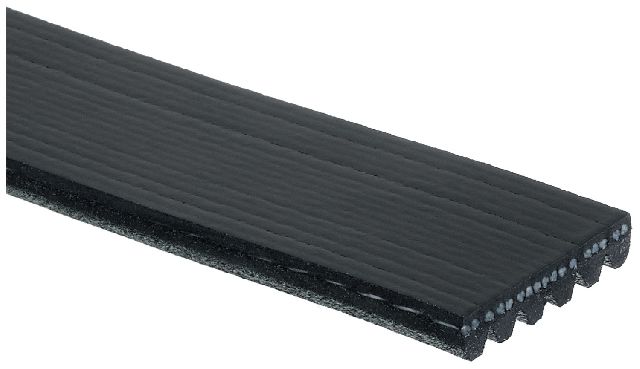
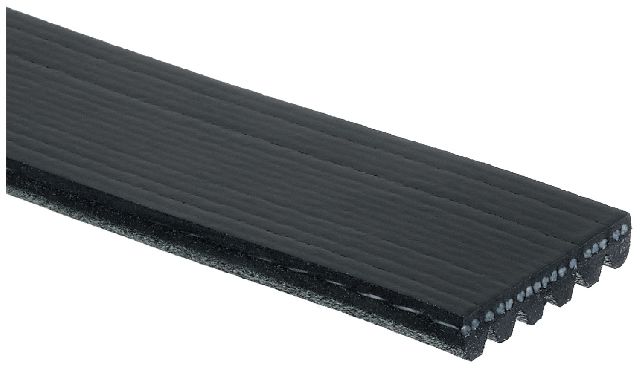
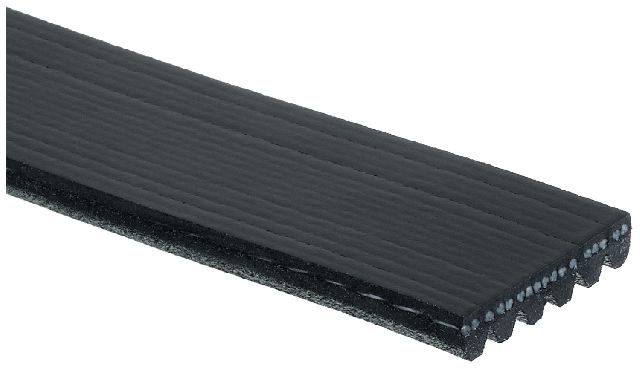
The 2008-2012 Ford Ranger uses a multi-rib (or V-ribbed) serpentine belt made from EPDM rubber. The specific length varies between the 2.3L I4 and 4.0L V6 engines. For example, a common belt for the 4.0L engine is part number K060866, while the 2.3L often uses a belt around 83 inches long (e.g., 830K6).
We Have This Part in Stock

The information in this article is provided for general reference and educational purposes only. Vehicle specifications, procedures, and part compatibility can vary by production date, trim level, and region. Always consult your vehicle's factory service manual and verify part numbers before purchasing or performing repairs. Safety-critical components such as airbags, seat belts, and braking systems should be installed by a qualified professional.
- Ford Ranger: