

A/C Compressor Diagnosis and Replacement for the 2008-2012 Mitsubishi Lancer
Is your Lancer's A/C blowing warm or cutting out? Here’s what you need to know before replacing the compressor.
- Intermittent cooling is a very common symptom of compressor failure in this Lancer generation.
- Before replacing the compressor, always check for simpler issues like a bad A/C relay or low refrigerant.
- When replacing the compressor, you must also replace the receiver/drier and expansion valve to avoid damaging the new part.
- Check for the open recall on the drive belt tensioner (NHTSA #18V069000), as its failure will stop the A/C from working.
Is Your Lancer's A/C Failing? Common Symptoms

When an A/C compressor starts to fail in the 2008-2012 Mitsubishi Lancer, the signs are usually hard to ignore, especially on a hot day. Many owners report similar issues leading up to a total failure.
- Intermittent Cooling: This is a very common complaint. The A/C might blow cold for a few minutes and then switch to warm air, especially when the car is idling at a stoplight. Sometimes, turning the car off and on again temporarily fixes it.
- No Cold Air at All: The most obvious symptom is when the A/C system simply blows ambient or warm air, even with the controls set to max cold.
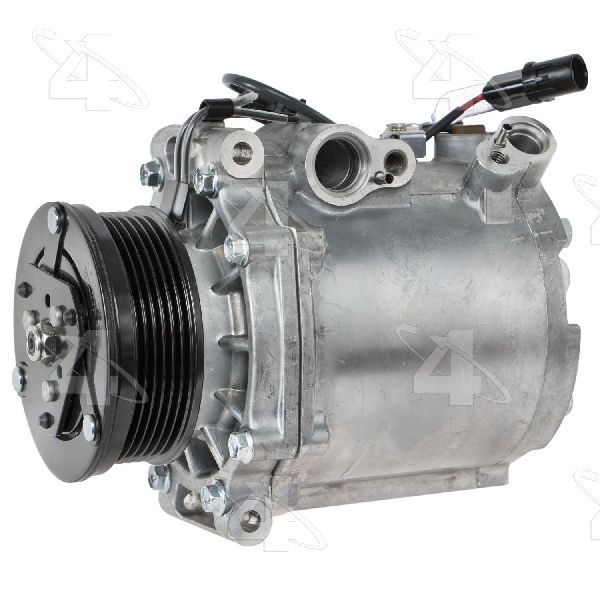
- Visible Clutch Issues: The compressor has a clutch on its pulley that engages to turn the compressor's internal parts. You may hear a 'click' when it engages. If this clutch doesn't engage, the compressor isn't running. In some cases, you can see that the clutch hub is discolored or looks burnt out from slippage and overheating.
- Squealing or Grinding Noises: Loud noises from the engine bay that start when you turn the A/C on can point to a failing compressor clutch or bad internal bearings.
Check the Simple Things First
Before assuming the compressor is bad, check other potential causes. A/C problems in these Lancers can also be caused by a simple blown fuse, a bad A/C relay, or low refrigerant from a leak. A faulty relay or low system pressure will prevent the compressor clutch from engaging.
OEM vs. Aftermarket: Choosing the Right Compressor

When it's time to replace the compressor, you have a choice between an expensive Original Equipment Manufacturer (OEM) part from Mitsubishi and more affordable aftermarket options. For a vehicle of this age, an aftermarket part is often the most practical choice.
🎬 Watch this step-by-step guide to replacing your Lancer's compressor.- OEM: An OEM compressor is identical to the one your Lancer was built with. It guarantees a perfect fit and original performance, but it comes at a very high cost.
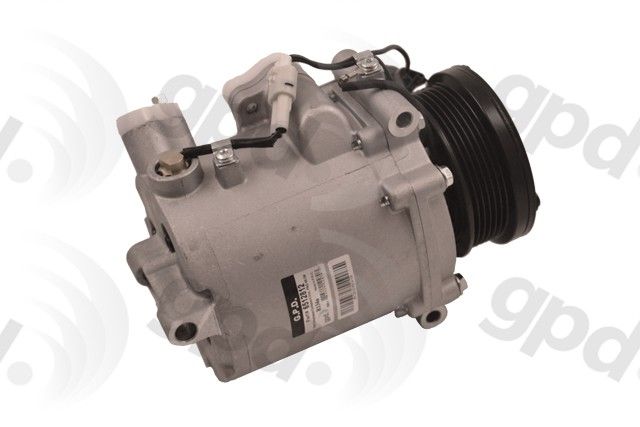
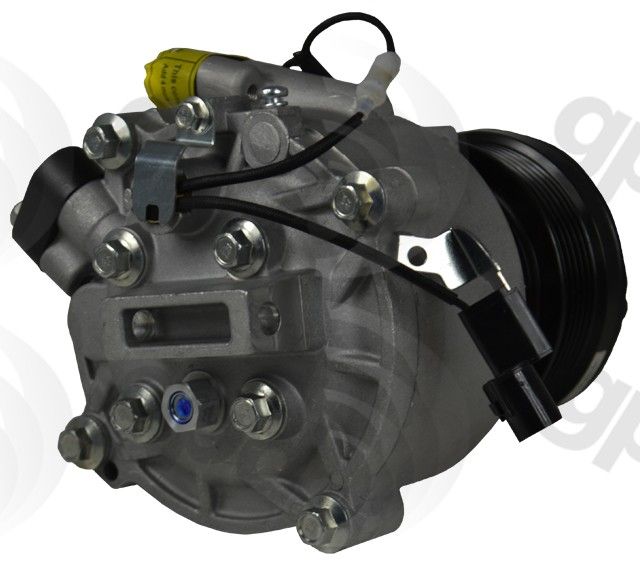
- Aftermarket (New): Brands like Nissens and Global Parts Distributors (GPD) offer brand-new compressors designed to meet or exceed OE specifications. These are a good balance of quality and value. Quality can be very good, but unlike with an OEM part, it's not a 100% guarantee.
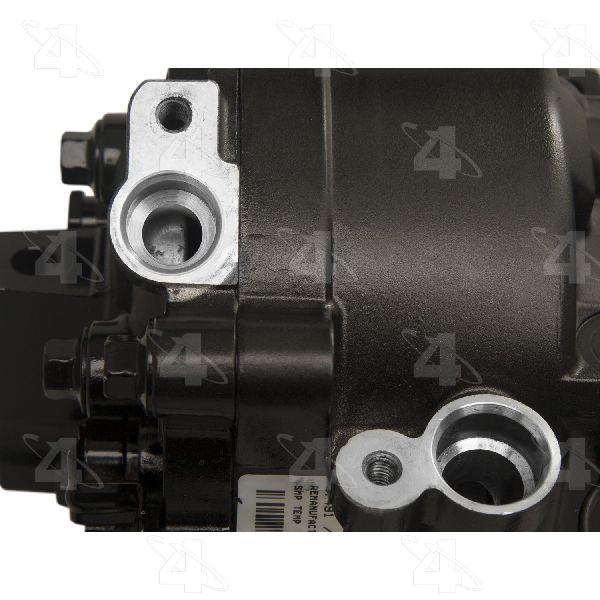
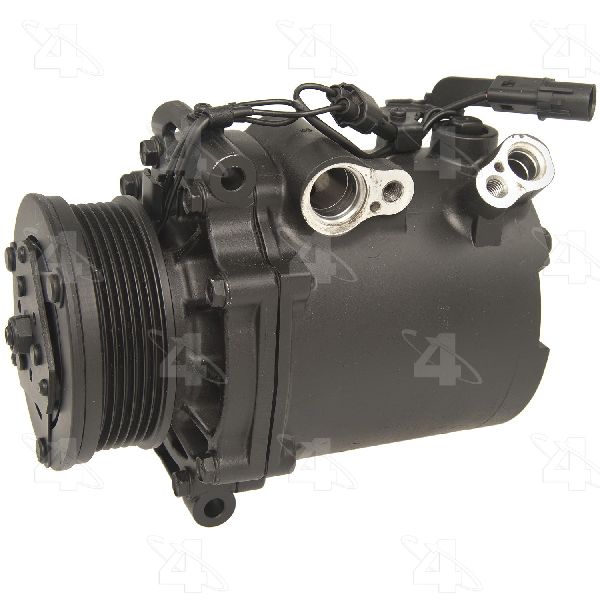
- Aftermarket (Remanufactured): Brands like Four Seasons are well-known for remanufactured compressors. These are old OEM units that have been rebuilt with new seals and wear items. Their reliability can be hit-or-miss; some last for years, while others may fail prematurely. They are often the cheapest option.
Pro Tip: Replace as a Kit
When a compressor fails, it can send metal debris throughout the A/C system. To prevent this debris from destroying your new compressor, it is critical to replace the A/C receiver/drier and expansion valve at the same time. You must also flush the lines and condenser to remove any contamination. Many aftermarket brands offer kits that include these necessary components.
Known Issues for 2008-2012 Mitsubishi Lancer

There is a significant safety recall that indirectly affects the A/C compressor. The recall, NHTSA #18V069000, addresses a faulty drive belt automatic tensioner. This tensioner can crack, causing the main drive belt to come off. If this happens, it will not only stop the A/C compressor but also the power steering and the alternator, which can cause the engine to stall. It is crucial to ensure this recall work has been performed on your vehicle.
A/C Compressor Replacement Cost for 2008-2012 Lancer
The cost varies widely based on the parts you choose and who does the work. The new aftermarket price range is based on an inventory of 12 available products.
| Part/Service | Estimated Cost |
|---|---|
| New Aftermarket Compressor | $275 - $530 |
| New OEM Compressor | $745 - $1,512 |
| Shop Labor | $283 - $416 |
| Total Professional Job (Aftermarket) | $558 - $946 |
| Total Professional Job (OEM) | $1,028 - $1,928 |
Frequently Asked Questions

Why does my A/C get warm when I'm stopped in traffic?
This is a classic symptom of a few potential issues. It could be a sign of a "lazy" or weakening compressor that doesn't pump well at low engine RPMs (idle). It can also be caused by low refrigerant levels or cooling fans that are not working correctly, causing system pressure to get too high when the car isn't moving.
Do I have to be a certified mechanic to replace the compressor?
While you can do the physical wrench-turning yourself, the A/C system is legally required to be evacuated of old refrigerant by a certified technician with a recovery machine before you open the lines. Likewise, it must be properly vacuumed and recharged after the new part is in. For this reason, many DIYers choose to have a shop perform the job.
Can I just replace the A/C clutch?
Sometimes, yes. If the compressor itself is confirmed to be healthy but the clutch is slipping or has failed, the clutch assembly can be replaced separately. However, if the compressor has failed internally or is making grinding noises, replacing only the clutch will not solve the problem. Given the labor involved, most people replace the entire compressor assembly.
🎬 See how to replace just the compressor clutch coil.My mechanic says my compressor failed and sent metal everywhere. What does that mean?
This is known as a catastrophic failure. The internal parts of the compressor have broken apart, sending tiny metal shavings throughout the entire A/C system. If this happens, you MUST replace the compressor, receiver/drier, and expansion valve. The condenser and all refrigerant lines must also be thoroughly flushed with a special solvent to remove all debris. Failure to do this will cause the new compressor to fail very quickly.
🎬 Learn how to properly flush a contaminated A/C system.Helpful Videos

Technical Specifications
OEM Part Numbers: 7813A212 7813A350 7813A402 7813A618 7813A871 7813A365 7813A197 7813A401
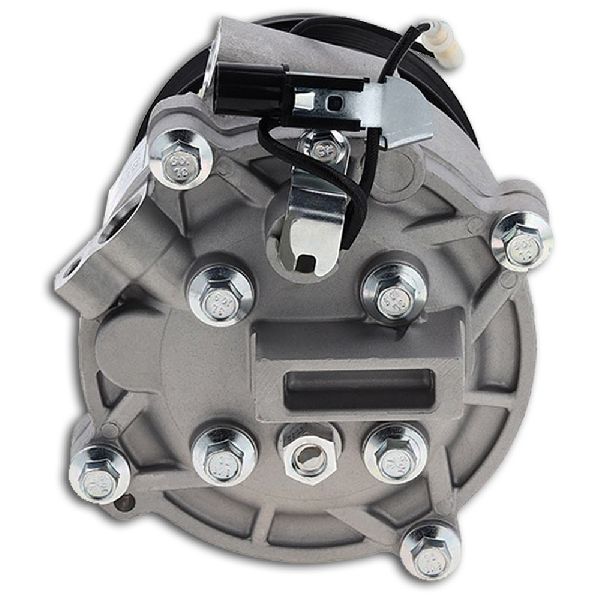
Compressor Model: QS90 or MSC90CAS style. Pulley Grooves: 6. Voltage: 12V. Clutch Included: Yes.
We Have This Part in Stock

The information in this article is provided for general reference and educational purposes only. Vehicle specifications, procedures, and part compatibility can vary by production date, trim level, and region. Always consult your vehicle's factory service manual and verify part numbers before purchasing or performing repairs. Safety-critical components such as airbags, seat belts, and braking systems should be installed by a qualified professional.
- Mitsubishi Lancer:
- 🎬 Helpful Videos
- 🛍️ Shop This Part
- Is Your Lancer's A/C Failing? Common Symptoms
- Check the Simple Things First
- OEM vs. Aftermarket: Choosing the Right Compressor
- Pro Tip: Replace as a Kit
- Known Issues for 2008-2012 Mitsubishi Lancer
- A/C Compressor Replacement Cost for 2008-2012 Lancer
- Frequently Asked Questions
- 🎟️ Get 5% Off