

A Guide to the Radiator for Your 2008-2012 Nissan Altima
Understanding common radiator failures and how to choose the right replacement for your Altima.
- The most common failure is a leak from the seams where the plastic end tanks meet the aluminum core.
- For CVT models, an internal radiator failure can mix coolant and transmission fluid, which is a catastrophic failure requiring immediate attention.
- It is critical to buy the correct radiator for your transmission type (CVT vs. Manual); they are not interchangeable.
- Reputable aftermarket brands like Denso, Koyorad, and CSF offer OEM-quality replacements for a fraction of the dealer price.
Common Signs of Radiator Failure

When your Altima's radiator starts to fail, it will give you several warning signs. Ignoring them can lead to serious engine damage. The most common failure on this generation Altima is a leak developing where the plastic side tanks are crimped onto the aluminum center core. The plastic filler neck can also become brittle with age and crack.
- Engine Overheating: The most obvious sign is your dashboard's temperature gauge climbing into the red zone.
- Coolant Leaks: Finding puddles of bright green, pink, or blue fluid under the front of your car is a clear sign of a leak. You may see residue on the radiator itself, often at the seams where the plastic tanks meet the metal core.
- Sweet Smell: If you notice a sweet, syrupy smell coming from your engine bay, it's likely coolant leaking onto hot components and burning off.
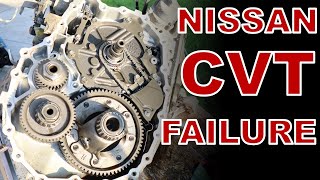
- Transmission Problems (CVT Models): A serious, but less common, failure is when the internal transmission cooler inside the radiator ruptures. This allows coolant and transmission fluid to mix, creating a pink, milky substance often called the "strawberry milkshake of death." This can quickly ruin your transmission. 🎬 Learn why cooling is critical to preventing Nissan CVT failure. If you see this in your coolant reservoir, stop driving immediately.
Warning for CVT Owners
If you have an automatic (CVT) transmission, the radiator is also responsible for cooling your transmission fluid. A failure inside the radiator can mix coolant and transmission fluid, leading to catastrophic transmission damage. When replacing the radiator, it is critical to ensure the new part has the correct connections for the CVT cooler. Using a radiator for a manual transmission model will destroy your CVT.
Choosing the Right Aftermarket Radiator

You don't need to buy an expensive OEM radiator from the dealer. The aftermarket offers several quality options that meet or exceed original specifications. They can be grouped into tiers based on reputation and materials.
Premium Brands (Highest Quality & Fit)
- Denso: Denso is a well-known OEM supplier for many Japanese automakers. Choosing a Denso radiator is often the closest you can get to the original part's quality and fit without the dealer price tag. They are known for reliability and durability.
- Koyorad & CSF: Both brands have a strong reputation in the aftermarket for producing high-quality radiators. They are often considered OEM-equivalent or even an upgrade, with precise fitment and excellent cooling performance.
Mid-Grade & Economy Brands (Good Value)
- Spectra: Spectra is a popular and reliable choice that offers a good balance of quality and price. They are widely available and considered a solid, standard replacement part.
- Nissens, Onix, Global Parts, One Stop Solutions: These brands offer functional, budget-friendly replacements. While they may not have the same brand recognition as the premium options, they provide a cost-effective solution to get your Altima back on the road. Ensure they come with a good warranty.
Pro Tip: Replace Other Parts at the Same Time
While you're replacing the radiator, it's a smart and cost-effective move to replace the upper and lower radiator hoses, thermostat, and radiator cap. These parts wear out over time and are easy to access during a radiator job. A new radiator cap is essential for maintaining proper system pressure.
Frequently Asked Questions

Is the radiator different for the 2.5L and 3.5L V6 engines?
Often, the same radiator part number fits both the 4-cylinder and V6 models for the 2008-2012 Altima, but the critical difference is the transmission type. Radiators for automatic (CVT) models have ports for the transmission cooler lines, while manual transmission models do not. Always verify fitment for your specific engine and transmission combination before ordering.
Are there any recalls on the 2008-2012 Altima radiator?
No, there are no specific recalls issued by Nissan or the NHTSA for radiator failure on this generation of Altima. The common failures, like cracks in the plastic tanks, are generally due to age and wear from heat cycles.
Can I install a new radiator myself?
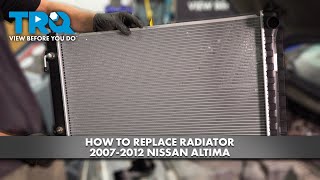
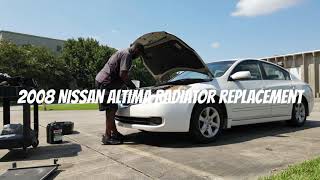
Yes, for a mechanically inclined person, this is a manageable DIY job. The process involves draining the coolant, removing the front bumper cover, disconnecting hoses and fans, and then swapping the unit. However, 🎬 Watch this step-by-step guide on replacing your Altima's radiator. it's crucial to properly bleed all the air out of the cooling system after installation to prevent overheating. If you are not comfortable with this process, a professional mechanic can do the job in a few hours.
What kind of coolant should I use in my Altima?
You must use a blue, long-life Asian vehicle-specific coolant. Using the wrong type of coolant (like the old green or orange/red types) can cause corrosion and damage to the cooling system components. Always use a phosphate-enhanced, silicate-free formula designed for Nissan vehicles.
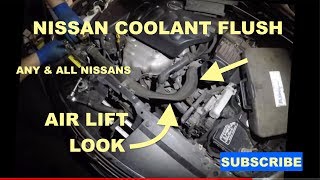
🎬 See how to flush coolant and use an air lift tool.Helpful Videos
Technical Specifications
OEM Part Numbers: 21460-JA00A 21460-ZN50A
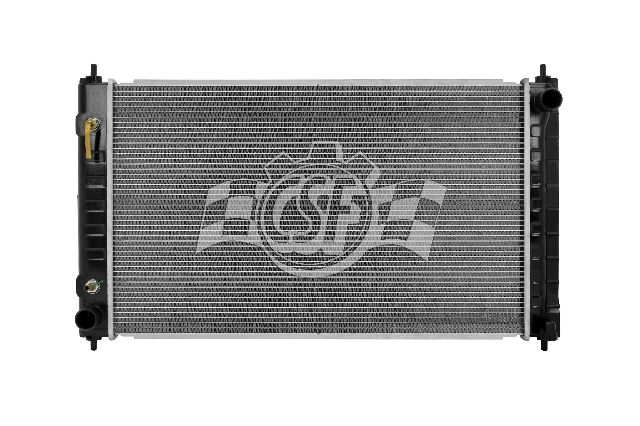
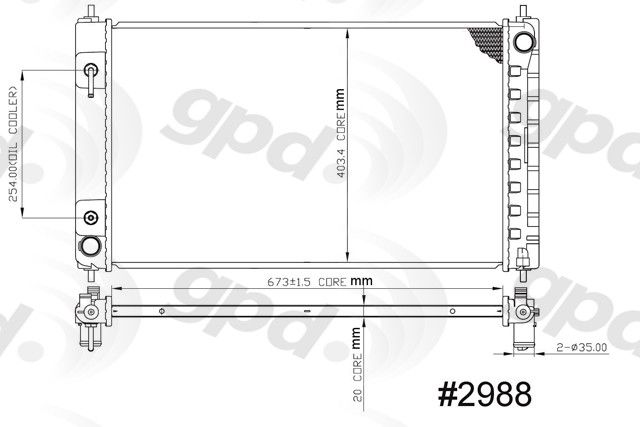
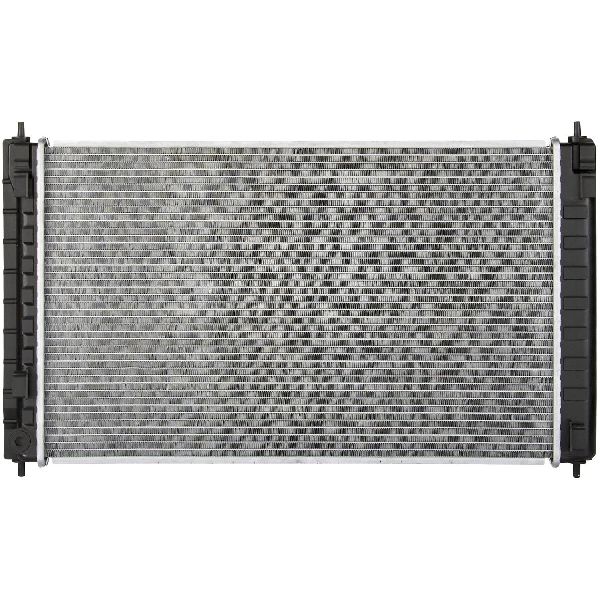
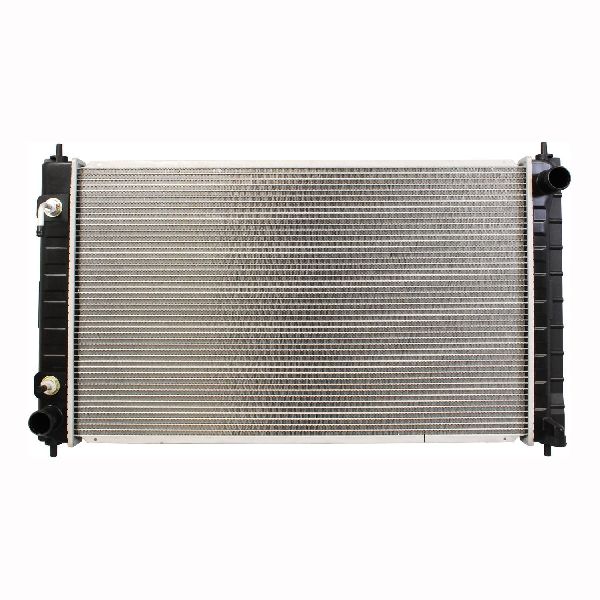
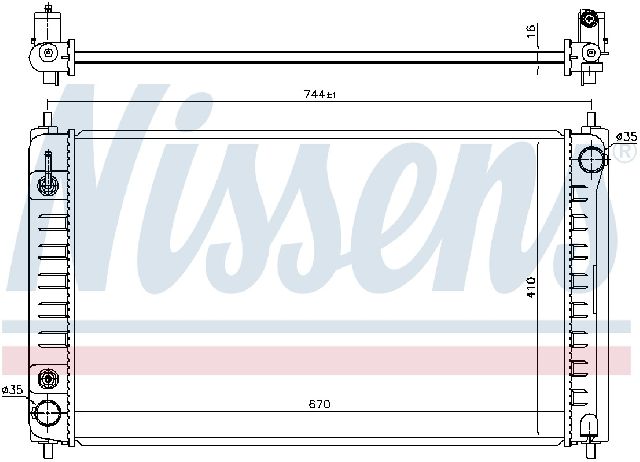
The radiator for the 2008-2012 Nissan Altima is a crossflow design, typically made with a plastic tank and aluminum core construction. Models equipped with the CVT automatic transmission will include an integrated transmission fluid cooler within one of the side tanks. It is crucial to verify the part is for the correct transmission type.
We Have This Part in Stock


The information in this article is provided for general reference and educational purposes only. Vehicle specifications, procedures, and part compatibility can vary by production date, trim level, and region. Always consult your vehicle's factory service manual and verify part numbers before purchasing or performing repairs. Safety-critical components such as airbags, seat belts, and braking systems should be installed by a qualified professional.
- Nissan Altima: