

A Guide to Radiator Coolant Hoses for the 2008-2012 Subaru Legacy
Keep your Legacy's engine from overheating by knowing when and how to replace your radiator hoses.
- A leaking radiator hose is a serious issue; do not drive if you suspect a failure.
- Symptoms include coolant puddles, a sweet smell, visible hose damage, and engine overheating.
- Quality aftermarket brands like Gates and Dayco are cost-effective alternatives to OEM parts.
- Always replace hoses in pairs (upper and lower) and use Subaru Super Coolant (blue) when refilling.
Signs of a Failing Radiator Hose
Radiator hoses operate under constant pressure and high temperatures. Over time, the rubber breaks down. Ignoring a failing hose can lead to major engine damage. Look for these warning signs:
- Coolant Leaks: This is the most obvious symptom. You might find puddles of green or blue fluid under the front of your car. Leaks often start as small drips where the hose connects to the radiator or engine.
- Engine Overheating: If a hose leaks enough coolant, your engine won't be able to cool itself properly, causing the temperature gauge to rise into the red. 🎬 Watch: How to diagnose and fix an overheating Subaru at home. This is a critical warning to stop driving immediately.
- Visible Hose Damage: Squeeze the hoses when the engine is cool. If they feel spongy, soft, or mushy, they are deteriorating. Also look for cracks, splits, or bulging, especially near the connection points.
- Sweet Smell: Leaking coolant has a distinct sweet smell. If you notice this odor coming from your engine bay, it's a strong sign of a leak.
Can I Drive with a Leaking Radiator Hose?
No. A leaking radiator hose will lead to coolant loss and engine overheating. Driving an overheating car can cause catastrophic engine damage, including warped cylinder heads—a very expensive repair. If you suspect a hose has failed, it is not safe to drive the vehicle.
Choosing the Right Aftermarket Radiator Hose
When replacing a radiator hose on your 2008-2012 Legacy, you have a choice between Original Equipment Manufacturer (OEM) parts and aftermarket parts. For a component like a radiator hose, a quality aftermarket part offers excellent value.
- OEM Hoses: These are the exact parts your Subaru was built with. They guarantee a perfect fit but come at a higher price.
- Aftermarket Hoses: Brands like Gates and Dayco specialize in replacement parts and are often much more affordable. The quality is generally very good, but fitment can sometimes be an issue compared to OEM.
Brand Tiers: Gates vs. Dayco
Both Gates and Dayco are reputable brands available for your Legacy. Forum discussions among mechanics and DIYers show a slight preference for one over the other.
- Gates: Often praised for having a fit and finish that is very close to the original factory hose. Many users trust Gates for its quality and accurate part shapes, which makes installation easier.
- Dayco: A solid budget-friendly option. However, some users have reported that Dayco hoses can sometimes have a slightly different shape or diameter than the original, which might make it harder to use the original spring clamps.
Pro Tip: For either brand, compare the new hose to the old one before you begin installation to ensure all the bends and curves match up. 🎬 See this step-by-step walkthrough for replacing a blown radiator hose. Reusing the original spring-style clamps is often recommended as they provide more even pressure than worm-gear clamps.
Known Issues, Recalls, and TSBs
There are no specific recalls or Technical Service Bulletins (TSBs) for radiator coolant hoses on the 2008-2012 Subaru Legacy. However, owners of 2008 Legacy 2.5GT (turbo) models should be aware of a safety recall (NHTSA ID: 08V460000) for the turbocharger oil supply pipe. This pipe could crack, leak oil, and create a fire risk. While not a coolant hose, it is a critical under-hood component prone to failure on these specific models.
| Part/Service | Estimated Cost |
|---|---|
| New Aftermarket Radiator Hose (Single) | $20 - $40 |
| New OEM Radiator Hose (Single) | $30 - $65 |
| Shop Labor (1-1.5 hours) | $100 - $200 |
Frequently Asked Questions (FAQ)
How often should I replace my Legacy's radiator hoses?
There is no strict interval, but it's good practice to inspect them at every oil change and consider replacing them as a preventative measure every 5-7 years or 60,000-90,000 miles, especially if they feel soft or spongy.
Should I replace both the upper and lower hoses at the same time?
Yes, it is highly recommended. Both hoses are made of the same material and have been exposed to the same conditions. If one has failed due to age, the other is likely not far behind. Replacing them together saves you from having to do the job twice.
What type of coolant does the 2008-2012 Subaru Legacy use?
Your Legacy requires Subaru Super Coolant, which is a pre-mixed, blue-colored fluid. Using the correct coolant is essential for the longevity of your cooling system components, including the new hoses.
Is replacing a radiator hose a difficult DIY job?
For someone with basic mechanical skills and tools, this is a very manageable job. The main steps are draining the coolant, removing the old hose clamps, swapping the hose, and then refilling and bleeding the system to remove air bubbles. The most challenging part is often dealing with stubborn clamps and ensuring no air is trapped in the system afterward.
🎬 Watch: How to properly service and bleed your Legacy's cooling system.Helpful Videos
Technical Specifications
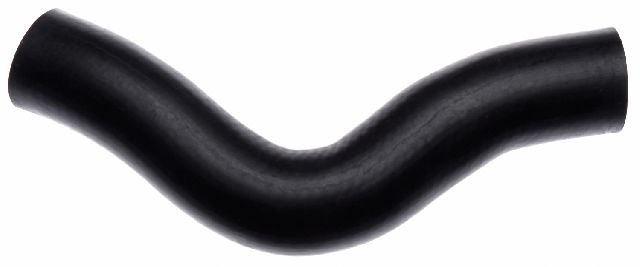
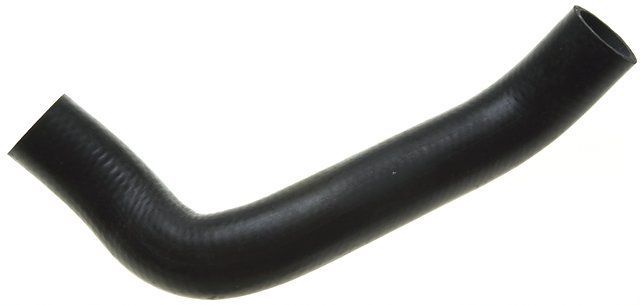
OEM Part Numbers: 45161AG000 45161AG01A 45161AJ00A 45161AJ060 45161AJ110
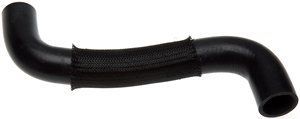
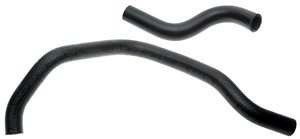
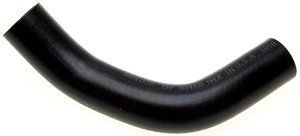
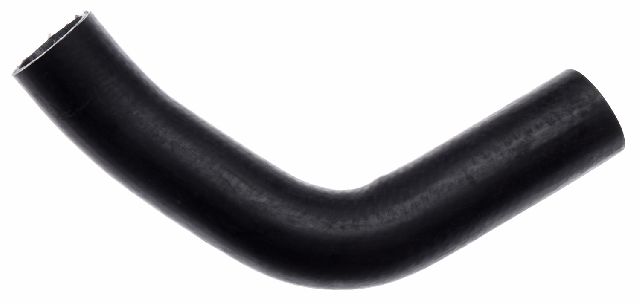
Radiator hoses for the 2008-2012 Subaru Legacy are model-specific, with different parts for naturally aspirated (2.5i) and turbocharged (2.5GT) engines. They are made from molded EPDM rubber to resist heat, pressure, and chemical degradation.
We Have This Part in Stock

The information in this article is provided for general reference and educational purposes only. Vehicle specifications, procedures, and part compatibility can vary by production date, trim level, and region. Always consult your vehicle's factory service manual and verify part numbers before purchasing or performing repairs. Safety-critical components such as airbags, seat belts, and braking systems should be installed by a qualified professional.
- Subaru Legacy: