

A/C Receiver Drier and Desiccant Element Guide for the 2008-2012 Toyota Prius
Keep your Prius A/C blowing cold by understanding this critical, often-overlooked part.
- Replacing the receiver drier is mandatory whenever the A/C system is opened for any repair.
- This job is not DIY-friendly; it requires a professional with A/C recovery and charging equipment.
- The high cost is due to specialized labor, not the part itself.
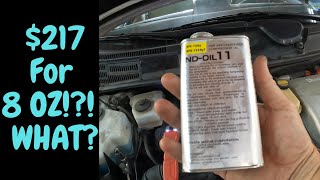
- Ensure your mechanic uses the correct non-conductive A/C oil (ND-11) for the Prius hybrid system.
Symptoms of a Failing A/C Receiver Drier
A receiver drier doesn't usually fail on its own. Its replacement is a required step when other A/C components fail or the system is opened. However, if it becomes clogged or ruptures, you might notice these signs:
- Poor Cooling Performance: If the desiccant bag breaks or the filter gets clogged, it can block the flow of refrigerant. This will make your A/C blow air that isn't as cold as it should be, or not cold at all.
- Rattling Noises: A rattling sound from the engine bay when the A/C is on can be a sign that the drier has been damaged internally or the desiccant bag has ruptured.
- Moldy Smell: If the desiccant becomes saturated and can no longer absorb moisture, mold and mildew can grow in the A/C system, causing a musty smell from the vents.
- Visible Refrigerant Leaks: While rare for the drier itself, leaks can appear as an oily residue on the component or its fittings. Any refrigerant leak will eventually lead to poor cooling.
Choosing the Right Aftermarket Drier
For the 2008-2012 Prius, the A/C receiver drier is a routine replacement part. Unlike a complex component like an A/C compressor, where OEM is often recommended, a new aftermarket drier is generally a reliable and cost-effective choice. The most important rule is to replace the drier anytime the A/C system is opened for service.
Aftermarket Brand Quality
| Brand | General Assessment |
|---|---|
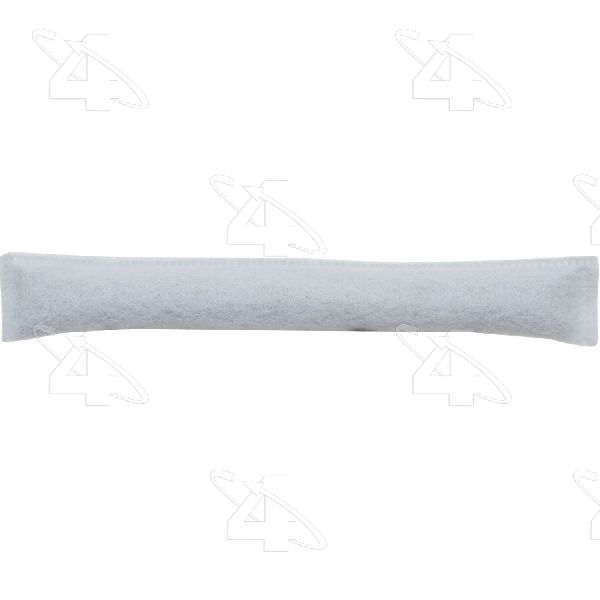
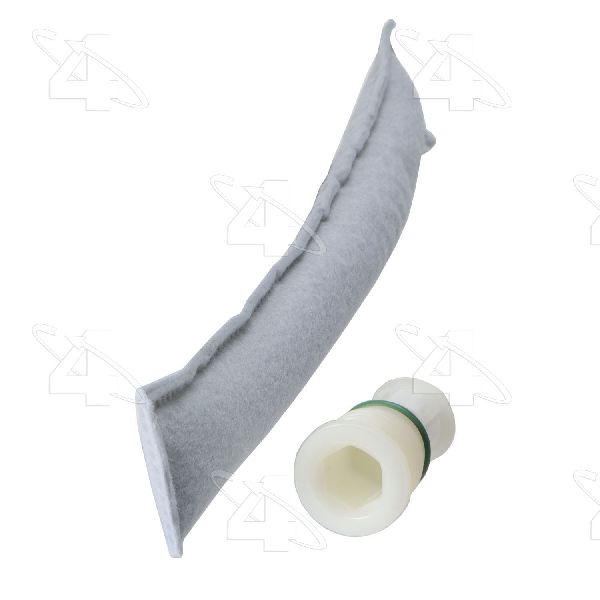
| Four Seasons | A widely available, budget-friendly brand. Some forum users consider it a lower-tier option, while others have used their new parts without issue. For a disposable part like a drier, it is a functional choice. |
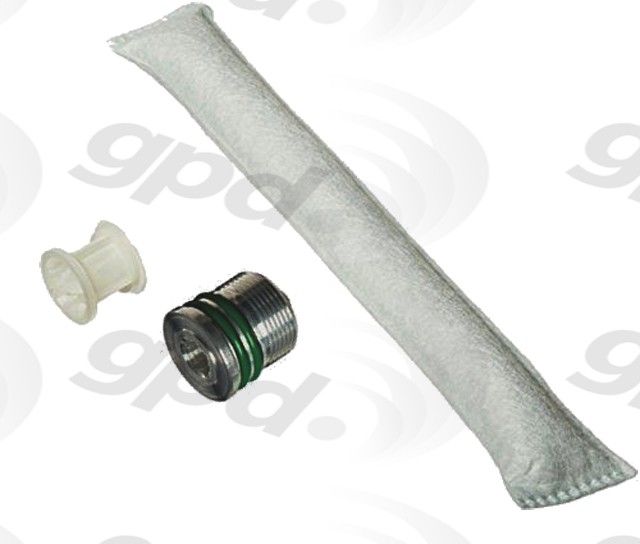
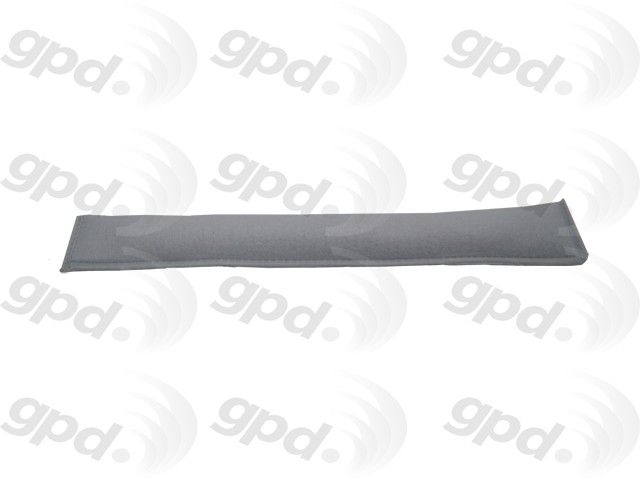
| Global Parts (GPD) | Another common aftermarket brand in the budget-friendly category. There is less specific feedback available, but it is considered comparable to other standard aftermarket options. |
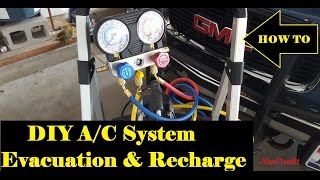
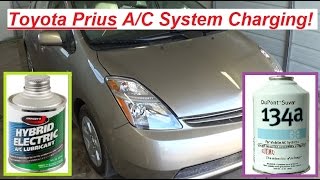
Pro Tip: The quality of the installation is more important than the brand of the drier. The A/C system must be professionally evacuated to remove all air and moisture before being recharged with the correct type and amount of refrigerant and oil. 🎬 See how a professional evacuation and recharge is performed. Failure to do this will cause any new drier to fail quickly.
Known Issues for 2008-2012 Toyota Prius
While there are no specific recalls or widespread issues for the A/C receiver drier on this Prius, some owners experience general A/C problems. These can include compressor failures, faulty control panel buttons, or corroded electrical connectors. Toyota has also issued Technical Service Bulletins (TSBs) for unpleasant odors from the HVAC system, sometimes caused by a clogged evaporator drain hose.
Frequently Asked Questions
Do I really have to replace the receiver drier?
Yes. It is mandatory to replace the drier anytime the A/C system is opened to the atmosphere, such as during a compressor or condenser replacement. The desiccant material will become saturated with moisture from the air almost immediately, making it useless. Most warranties for new A/C compressors require it.
Why is the replacement cost so high if the part is cheap?
The high cost comes from the labor involved. An A/C service requires specialized and expensive equipment to safely recover the old refrigerant, pull a vacuum on the system to boil off any moisture, and recharge it with the precise amount of refrigerant and oil. The labor for this process alone can cost several hundred dollars.
Can I replace just the desiccant bag?
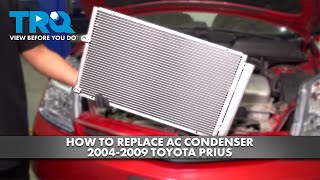
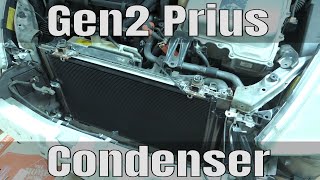
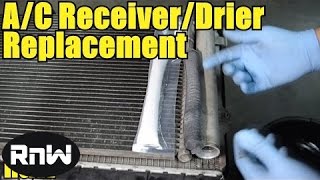
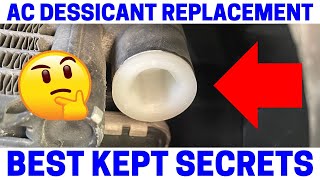
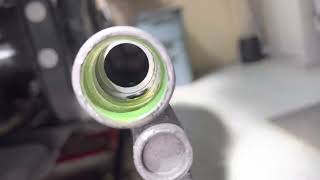
Yes. For this Prius, the drier is a desiccant bag that fits inside the condenser. Aftermarket kits are available with just the bag. 🎬 Watch this walkthrough on replacing the desiccant element and condenser. However, the full labor procedure of evacuating and recharging the system is still required.
What kind of A/C oil does my Prius need?
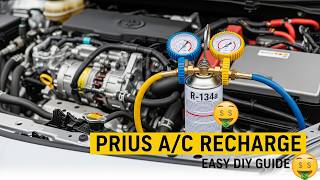
This is critical. The Toyota Prius uses an electric A/C compressor that requires a special, non-conductive oil, typically ND-11 PAG oil. 🎬 Learn more about using the correct non-conductive oil for hybrids. Using standard PAG 46 oil found in many parts stores can short out the expensive electric compressor. Always verify the correct oil type is being used.
Helpful Videos
Technical Specifications
OEM Part Numbers: 88474-47010 88474-47020
This part is a desiccant bag element that is installed into the A/C condenser assembly. The correct A/C system oil is a non-conductive type (ND-11), not standard PAG oil.
We Have This Part in Stock

The information in this article is provided for general reference and educational purposes only. Vehicle specifications, procedures, and part compatibility can vary by production date, trim level, and region. Always consult your vehicle's factory service manual and verify part numbers before purchasing or performing repairs. Safety-critical components such as airbags, seat belts, and braking systems should be installed by a qualified professional.
- Toyota Prius: