

A Guide to Aftermarket Disc Brake Pads for the 2008-2013 BMW 128i
Choose the right stopping power and reduce brake dust for your E82 or E88 1-Series.
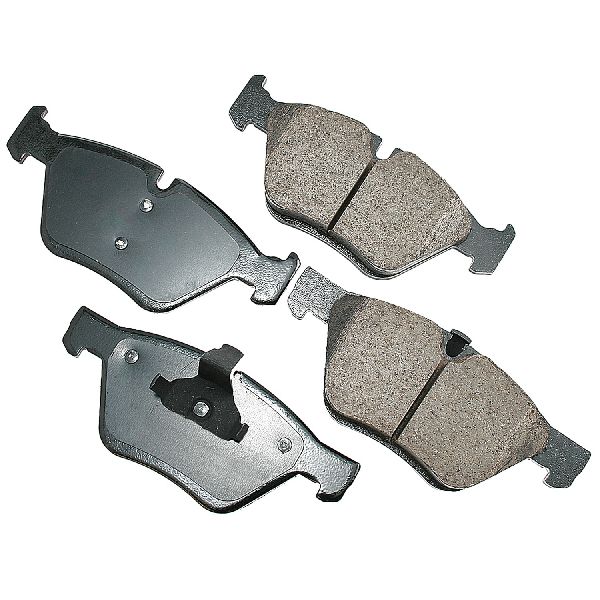
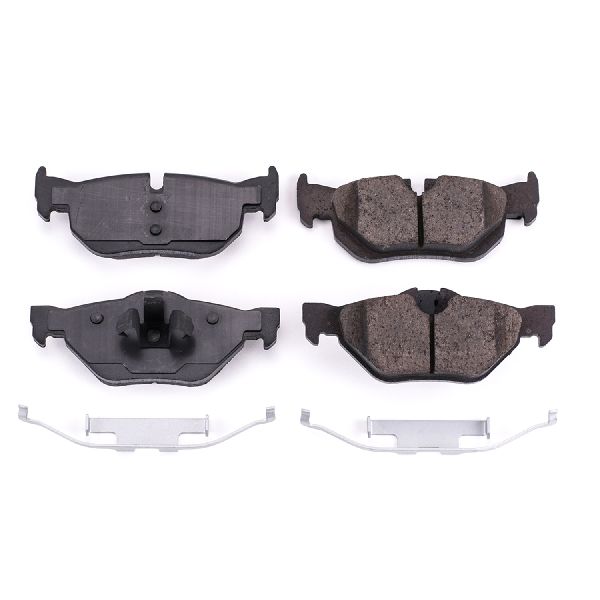
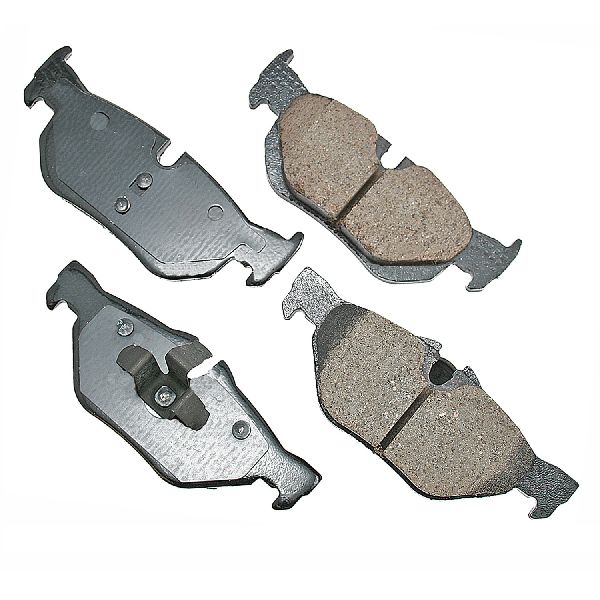
- Decide your priority before buying: match the original feel with OE-spec pads (Textar, Pagid), reduce dust with ceramics (Akebono), or boost stopping power with performance pads (Hawk, EBC).
- Always replace the brake wear sensors (front-left and rear-right) when you replace your pads; they are single-use items.
- Stock BMW pads offer great performance but create a lot of dust; aftermarket ceramic pads are a popular solution for cleaner wheels.
- For best results and safety, plan to replace or resurface your brake rotors along with your pads, especially if you feel vibrations or see deep grooves.
Is it Time for New Brake Pads?
Your BMW 128i is good at telling you when it needs new brake pads. The most obvious sign is the brake warning light on your dashboard. You might also hear a high-pitched squealing noise when you first apply the brakes, which can turn into a harsh grinding sound if the pads are completely worn down. Ignoring these signs can lead to more expensive repairs, like needing to replace the brake rotors too.
Don't Ignore Grinding Noises
A grinding sound means the metal backing plate of the pad is scraping against the metal rotor. This severely reduces stopping power and damages the rotors. If you hear grinding, you should stop driving the car and have the brakes inspected immediately.
Choosing the Right Aftermarket Brake Pads for Your 128i
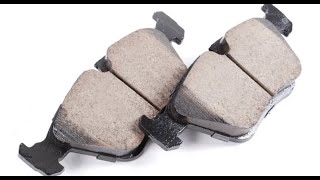
The original BMW brake pads provide excellent stopping power but are known for producing a lot of brake dust, which can make your wheels look dirty quickly. Aftermarket pads offer a chance to either restore that original feel, reduce dust, or increase performance.
Brand Tiers for Your BMW 128i
Not all brake pads are created equal. Here’s how the available brands generally stack up for your car:
- OE-Spec (Original Equipment-Specification): These pads are made by companies that also supply BMW directly. They will feel and perform very similarly to the pads your car came with from the factory, including the strong initial bite and, unfortunately, the brake dust. Brands like Textar, Pagid, Jurid, and Brembo fall into this category. Many owners consider Textar to be the original brand for their car.
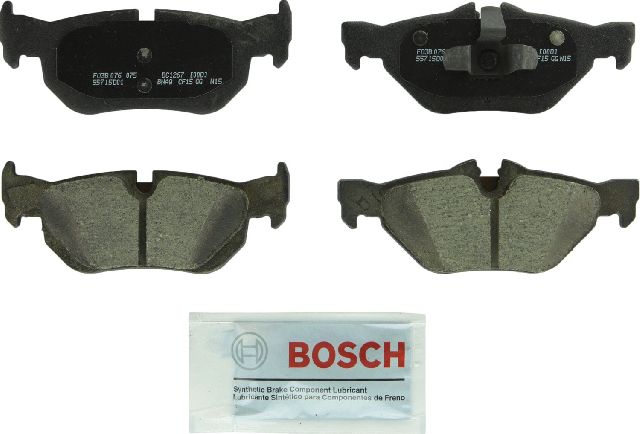
- Low-Dust Ceramic Upgrades: If you're tired of constantly cleaning your wheels, ceramic pads are an excellent choice. They produce significantly less dust and are generally very quiet. The trade-off can sometimes be a slightly less aggressive initial bite compared to the stock pads, but many drivers don't notice a difference in daily driving. Akebono, Centric, and Wagner are popular choices here. Akebono pads are a favorite among BMW enthusiasts for their clean and quiet operation.
- Performance Street: For the owner who enjoys spirited driving, performance pads offer a higher heat tolerance and more resistance to brake fade (a temporary loss of braking power) during hard use. They can provide a 20-40% increase in stopping power over stock pads. However, they might be noisier and produce more dust than even the stock pads. Look at brands like Hawk (HPS, HPS 5.0), EBC Brakes (Redstuff, Yellowstuff), and StopTech. Hawk HPS pads are a popular upgrade for a good balance of performance and street manners.
- Standard Replacement: These are budget-friendly options that meet basic safety requirements. They are a functional choice for daily commuting but may not offer the refined feel, longevity, or low-dust characteristics of the premium brands. This category includes brands like Dynamic Friction, Pronto, and Raybestos.
| Pad Tier | Typical Price Range (Per Axle) | Best For |
|---|---|---|
| OE-Spec (e.g., Textar, Pagid) | $70 - $150 | Restoring original factory feel and performance. |
| Low-Dust Ceramic (e.g., Akebono) | $60 - $120 | Daily drivers who prioritize clean wheels and quiet operation. |
| Performance Street (e.g., Hawk, EBC) | $100 - $250+ | Spirited driving and occasional track use, with increased stopping power. |
| Standard Replacement (e.g., Dynamic Friction) | $32 - $75 | Budget-conscious repairs and basic transportation needs. |
A Note on Brake Wear Sensors
Your BMW 128i has a brake pad wear sensor on the front-left and right-rear brake. When the pads wear down, this sensor makes contact with the rotor, completing a circuit and triggering the warning light. The sensor is a one-time-use part; it gets worn down with the pads and must be replaced during a brake job. Always buy new sensors when you buy new pads.
🎬 Watch this step-by-step guide to replacing brake pads on your 128i.Known Issues, Recalls, and TSBs
Searches for recalls and Technical Service Bulletins (TSBs) related to the 2008-2013 BMW 128i's brake pads did not reveal any specific widespread issues or safety campaigns for this model's pads. Recent major BMW brake recalls for integrated braking systems affect much newer models (2023-2025) and do not apply to the E82/E88 128i. Some owners have reported a hard brake pedal on initial startup, which was addressed by a TSB (SIB 34-06-07) related to a vacuum check valve, not the pads themselves. Brake squeaking when cold can also occur, which is sometimes considered a normal characteristic of high-performance brake systems.
Frequently Asked Questions (FAQ)
Do I need to replace my rotors at the same time as my pads?
Not always, but it's highly recommended. New pads perform best on a fresh, smooth rotor surface. If your current rotors have a noticeable lip on the edge, deep grooves, or cause a vibration when you brake (a sign of warping), they must be replaced. Installing new pads on worn rotors can lead to noise, uneven wear, and reduced performance.
What's the difference between ceramic and semi-metallic pads?
Semi-metallic pads, like the original ones on your 128i, use metal fibers in the friction material. They offer a strong initial bite and are great at dissipating heat, but they are dusty and can be noisy. Ceramic pads use ceramic compounds and copper fibers. They are much cleaner, quieter, and gentler on your rotors, but some drivers feel they have a less aggressive initial bite, especially when cold.
What is "bedding-in" new brake pads?
Bedding-in is a process of controlled stops used to transfer a thin, even layer of friction material from the new pads onto the rotors. This ensures smooth, quiet, and powerful braking. Most manufacturers, like Hawk, provide specific instructions, which typically involve a series of moderate stops followed by a few harder stops, with a cool-down period afterward. This is a critical step for getting the best performance from your new brakes.
Can I replace just the front or rear pads?
Yes. Brake pads are replaced per axle (both front wheels or both rear wheels). The front brakes on a 128i do most of the work, so they typically wear out faster than the rears. You only need to replace the pads that are worn out and have triggered the wear sensor.
🎬 Learn how to replace your pads and reset the OBD service light.Helpful Videos
Technical Specifications
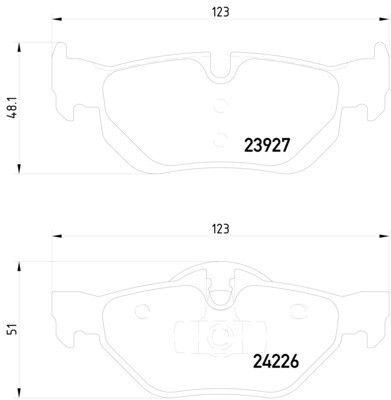
OEM Part Numbers: 34116799166 34216768103 34356789445 34356789440
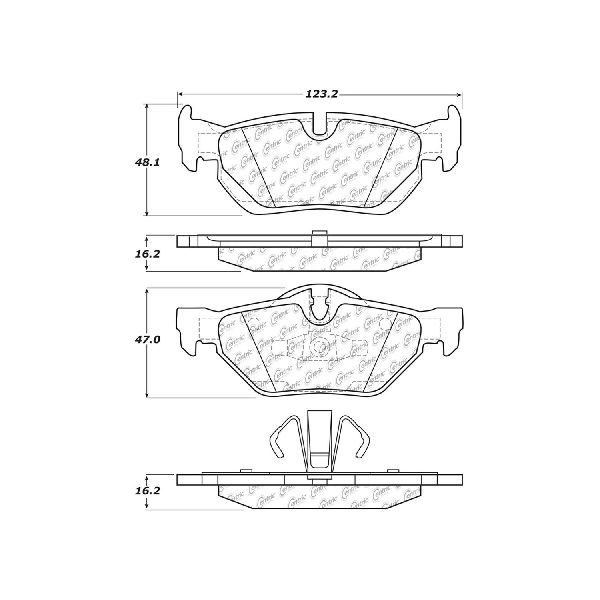
The 2008-2013 BMW 128i uses single-piston floating calipers on both the front and rear axles. It requires one brake pad wear sensor for the front axle (driver's side) and one for the rear axle (passenger's side). The choice of pad material (e.g., semi-metallic, ceramic) will significantly affect dust, noise, and performance characteristics.
We Have This Part in Stock

The information in this article is provided for general reference and educational purposes only. Vehicle specifications, procedures, and part compatibility can vary by production date, trim level, and region. Always consult your vehicle's factory service manual and verify part numbers before purchasing or performing repairs. Safety-critical components such as airbags, seat belts, and braking systems should be installed by a qualified professional.
- BMW 128i: