

Ignition Coil Guide for the 2008-2013 BMW 135i (N54 & N55)
Solve misfires and restore your 135i's performance by choosing the right ignition coils for your turbocharged engine.
- Ignition coil failure is extremely common on the 135i and presents as engine misfires, rough idle, and a check engine light.
- For reliability, choose OE-quality aftermarket brands like Bosch, Delphi, NGK, or Eldor.
- Always replace all six coils and spark plugs at the same time to ensure longevity and save on future labor.
- Driving with a misfire can damage your catalytic converters, leading to a much more expensive repair.
Signs of a Failing Ignition Coil
Ignition coil failure is a very common issue on the 2008-2013 BMW 135i, affecting both the N54 and N55 engines. When a coil starts to go bad, the symptoms are usually obvious and shouldn't be ignored. Driving with a bad coil can lead to more expensive problems down the road, like a damaged catalytic converter.
Common Symptoms Include:
- Engine Misfires: The most frequent symptom, feeling like a stumble, hesitation, or jerking during acceleration.
- Rough Idle: Your car may shake or vibrate more than usual when stopped.
- Check Engine Light: A failing coil will almost always trigger the check engine light. You'll see codes like P0300 (random misfire) or P0301-P0306, where the last number tells you which cylinder is misfiring.
- Loss of Power: The car will feel noticeably slower and less responsive.
- Reduced Fuel Economy: Your engine has to work harder to compensate for the weak spark, burning more fuel.
Choosing the Right Aftermarket Ignition Coils
When shopping for new ignition coils, you'll find many brands. For a high-performance car like the 135i, sticking with proven, quality brands is crucial. Cheap, unproven coils are known to fail quickly, causing the same problems all over again.
Brand Quality Tiers
Tier 1: OE-Quality Brands (Recommended)
- Bosch: A long-time original equipment (OE) supplier for BMW. Bosch coils are a reliable, factory-equivalent choice. However, be aware that in the past, some production runs had premature failures, leading BMW to sometimes use other brands. The latest versions are considered reliable.
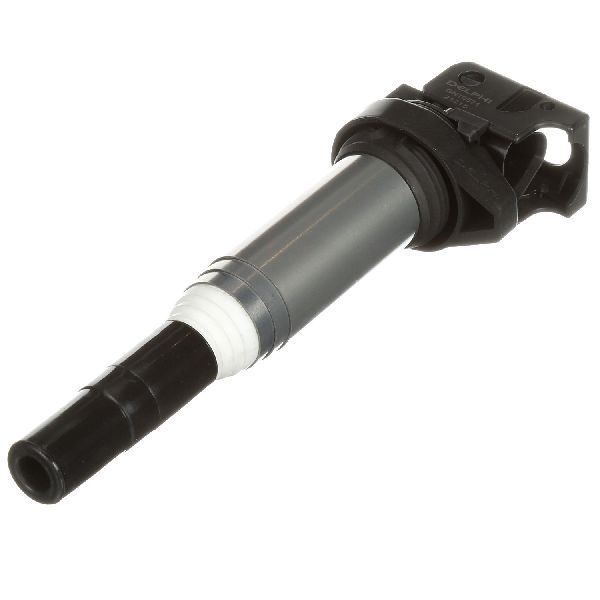
- Delphi: Another OE supplier that BMW uses. Many owners and mechanics consider Delphi coils to be a high-quality, revised part, sometimes preferred over Bosch for their robust construction, which can include a metal heat shield.
- NGK: Known for their high-quality spark plugs, NGK also produces reliable ignition coils that are a popular choice among BMW owners.
- Eldor: Also an OE supplier for BMW, Eldor coils are considered a top-tier replacement and are sometimes recommended over other brands by enthusiasts.
Tier 2: Reputable Aftermarket Brands
- Standard Ignition (SMP): A well-known aftermarket manufacturer that produces reliable parts.
- Hitachi: A Japanese company with a strong reputation for quality electronic components.
- Vemo, Holstein, Walker Products: These brands can be a decent alternative if Tier 1 options are unavailable, but long-term reliability may vary.
Tier 3: Budget & Performance Brands
- DriveWire, Global Parts, True Tech: These are typically budget-focused brands. While the initial cost is low, they may not offer the same longevity or performance as OE-quality parts. Use with caution.
- Mishimoto, Precision Raceworks: These brands offer "high-performance" coils, often claiming higher voltage output. While they may provide a stronger spark, which can be beneficial for heavily modified and tuned engines, they are generally not necessary for a stock or lightly modified car. Sticking with a quality OE brand is often the most reliable choice.
Pro Tip: It is highly recommended to replace all six ignition coils at the same time. When one coil fails due to age, the others are likely not far behind. Mixing different brands of coils is also not advised, as differences in internal resistance can cause issues.
Typical Replacement Costs
The cost to replace ignition coils on a 2008-2013 BMW 135i can vary depending on the parts you choose and whether you do the work yourself.
| Part/Service | Estimated Cost |
|---|---|
| Single Aftermarket Coil (OE Quality) | $30 - $60 |
| Set of 6 Aftermarket Coils (OE Quality) | $180 - $360 |
| Single Genuine BMW Coil | $85 - $100 |
| Shop Labor (for all 6) | $70 - $150 |
Frequently Asked Questions (FAQ)
Should I replace my spark plugs at the same time?
Yes, it is highly recommended. The ignition coils must be removed to access the spark plugs, so replacing them at the same time saves on future labor. Worn spark plugs can also put extra stress on the new coils, causing them to fail prematurely.
How do I know which ignition coil is bad?
Use an OBD-II scanner to read the trouble code (e.g., P0304 for cylinder 4). To confirm, you can swap the suspected bad coil with a known good one from another cylinder. Clear the codes, run the engine, and scan again. If the misfire code moved to the new cylinder, you've confirmed the coil is the faulty part.
Is this a difficult DIY job?
No, this is one of the easiest maintenance jobs on the N54 and N55 engines. It requires basic hand tools and can typically be done in under an hour. The coils are located directly on top of the engine under the plastic cover.
Are there any recalls for 135i ignition coils?
A search of the National Highway Traffic Safety Administration (NHTSA) database did not show any specific recalls for ignition coils on the 2008-2013 BMW 135i. Always check for the most current information using your vehicle's VIN.
Technical Specifications
OEM Part Numbers: 12138657273 12138616153 12137594937 12131712219 12137551260
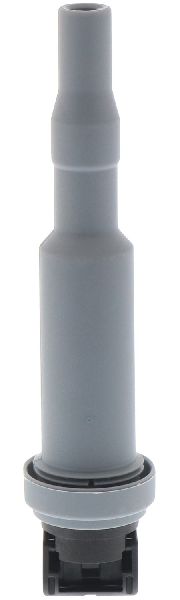
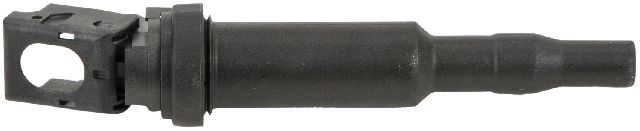
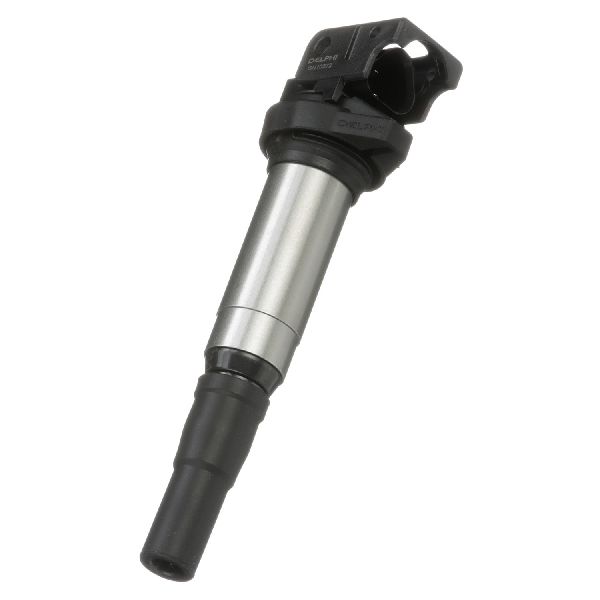
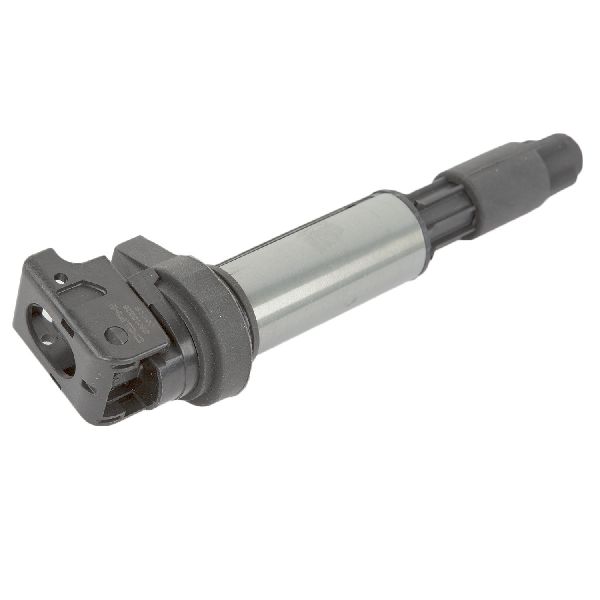
Coil-on-plug design, typically with a 3-pin triangular connector. The N54 and N55 engines use six individual coils, one for each cylinder.
We Have This Part in Stock


The information in this article is provided for general reference and educational purposes only. Vehicle specifications, procedures, and part compatibility can vary by production date, trim level, and region. Always consult your vehicle's factory service manual and verify part numbers before purchasing or performing repairs. Safety-critical components such as airbags, seat belts, and braking systems should be installed by a qualified professional.
- BMW 135i: