

A Guide to Spark Plugs for the 2008-2013 BMW 135i
Keep your high-performance N54 or N55 engine running strong by choosing the right spark plugs.
- The N54 (2008-10) and N55 (2011-13) engines use different spark plugs; ensure you buy the correct part number.
- For stock cars, OEM-equivalent Bosch plugs are ideal. For tuned cars, colder NGK plugs are the standard recommendation.
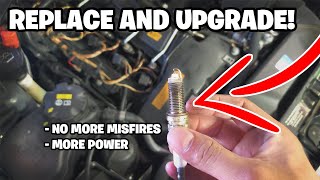
- Replacement is a feasible DIY job but requires a special thin-wall 14mm 12-point socket.
- Change intervals are much shorter than other cars: 45k miles for N54 and 60k for N55, and even shorter (15-25k miles) for tuned engines.
Signs of Failing Spark Plugs
The turbocharged engines in the 2008-2013 BMW 135i are known for being tough on spark plugs. The original recommended replacement interval for the N54 engine was as low as 45,000 miles, much shorter than naturally aspirated BMWs. If you notice any of the following symptoms, your spark plugs may be due for a change:
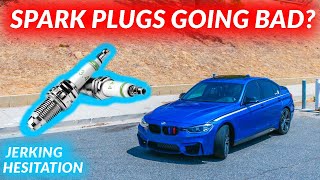
- Engine Misfires: The car may jerk or hesitate, especially under acceleration or at high RPM. This is the most common sign.
- Rough Idle: The engine may shake or run unevenly when stopped.
- Poor Acceleration: The car feels sluggish or less responsive than usual.
- Reduced Fuel Economy: Worn plugs can cause inefficient fuel combustion, leading to more trips to the gas station.
- Check Engine Light: A misfire will often trigger a Check Engine Light with codes indicating which cylinder is affected 🎬 Watch: How to identify failing spark plugs on your BMW (e.g., P0300-P0306).
Choosing the Right Aftermarket Spark Plugs
For the BMW 135i, the choice between OEM and aftermarket spark plugs is straightforward, as the same companies often make both. Bosch is the original equipment manufacturer (OEM) for the stock plugs. Both Bosch and NGK are highly regarded brands in the BMW community.
| Brand Tier | Our Brands | Typical Use Case |
|---|---|---|
| OEM-Equivalent | Bosch | The direct replacement for stock N54 and N55 engines. Bosch makes the original plugs for BMW. They offer reliable performance for daily driving and are pre-gapped for easy installation. |
| Performance Upgrade | NGK | NGK Iridium plugs are a popular upgrade, especially for tuned cars. They often come in "colder" heat ranges to better handle the higher combustion temperatures of modified engines, reducing the risk of detonation. |
| Standard Aftermarket | Champion | While a well-known brand, Champion is less commonly used and discussed by 135i owners compared to Bosch and NGK. For these specific high-performance engines, sticking with the proven OEM-equivalent or performance brands is often recommended. |
N54 vs. N55 Engines
It's crucial to buy the correct plug for your engine. The 2008-2010 135i has the twin-turbo N54 engine, while the 2011-2013 models have the single-turbo N55. The stock N55 plug is one step colder than the stock N54 plug. Because of this, some N54 owners use N55 plugs as a mild upgrade. Always verify the part number for your specific engine before purchasing.
Known Issues, Recalls, and TSBs
There are no specific recalls or technical service bulletins (TSBs) from the NHTSA for spark plugs on the 2008-2013 BMW 135i. However, ignition system problems, often caused by worn plugs or failing ignition coils, are a well-documented annoyance for owners. Worn plugs can strain the ignition coils, causing them to fail prematurely. It is often recommended to replace the ignition coils at the same time as the spark plugs, especially on higher-mileage vehicles.
🎬 See this N54 spark plug and ignition coil replacement guideDIY Installation Tips
Replacing the spark plugs on a 135i is a manageable DIY job that can save you hundreds in labor costs.
- Get the Right Tool: You will need a special thin-walled 14mm, 12-point spark plug socket. A standard socket will not fit.
- Accessing the Plugs: You will need to remove the plastic engine cover and, for the rear cylinders, the cabin air filter cowl assembly. 🎬 Watch: Step-by-step DIY spark plug change for N55 engines
- Torque Correctly: Torque the new plugs to the manufacturer's specification, typically around 17 ft-lbs (23 Nm). Do not use anti-seize compound, as it can alter the torque reading.
- Check the Gap: While many plugs come pre-gapped, it's wise to verify the gap with a feeler gauge, especially for tuned engines that may require a smaller gap.
Frequently Asked Questions (FAQ)
How often should I change the spark plugs on my 135i?
For a stock N54 engine (2008-2010), the recommended interval is around 45,000 miles. For a stock N55 (2011-2013), it's around 60,000 miles. However, if your car is tuned, you should shorten this interval significantly, with many owners changing plugs every 15,000-25,000 miles.
Should I use OEM Bosch or aftermarket NGK plugs?
For a stock car, OEM-equivalent Bosch plugs are a perfect choice. If your car has performance modifications (a tune, downpipe, etc.), NGK plugs in a one-step-colder heat range are highly recommended by the enthusiast community to prevent misfires under high boost.
Do I need to gap my new spark plugs?
Most OEM-style plugs from Bosch come pre-gapped. However, it is always a good practice to double-check. For performance applications using colder NGK plugs, gapping them to a specific, often smaller, measurement (like 0.022 inches) is critical for preventing spark blowout.
What is a "colder" spark plug?
A colder spark plug is designed to transfer heat away from its firing tip more quickly. This is important in high-horsepower, tuned engines that generate more heat in the combustion chamber. Using a colder plug helps prevent pre-ignition (knock) and misfires.
Helpful Videos

Technical Specifications
OEM Part Numbers: 12120037244 12120037582
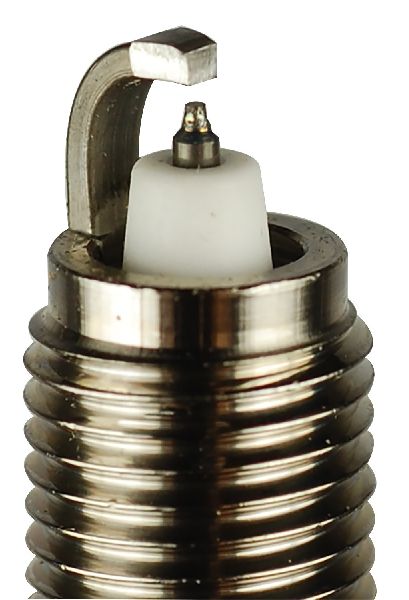
Required Tool: Thin-wall 14mm 12-point spark plug socket. Torque Spec: ~17 ft-lbs (23 Nm). N54 OEM Plug: Bosch ZGR6STE2 (BMW #12120037244). N55 OEM Plug: Bosch ZR5TPP33S (BMW #12120037582).
We Have This Part in Stock

The information in this article is provided for general reference and educational purposes only. Vehicle specifications, procedures, and part compatibility can vary by production date, trim level, and region. Always consult your vehicle's factory service manual and verify part numbers before purchasing or performing repairs. Safety-critical components such as airbags, seat belts, and braking systems should be installed by a qualified professional.
- BMW 135i: