

A Guide to the Engine Oil Level Sensor for the 2008-2013 BMW X5
Your BMW X5 likely doesn't have a dipstick, making this electronic sensor the only way to check your engine's oil level.
- The 2008-2013 X5 relies entirely on this electronic sensor; there is no manual dipstick to double-check the oil level.
- A faulty sensor is a critical issue that can lead to engine damage from an incorrect oil level. Don't ignore the warnings.
- Replacement requires a complete engine oil drain, so it's best to do the job during a scheduled oil change.
- For BMW electronics, choosing a reputable aftermarket brand (like NGK, Vemo) is often a safer bet than the cheapest option to avoid premature failure.
Understanding the Engine Oil Level Sensor in Your X5
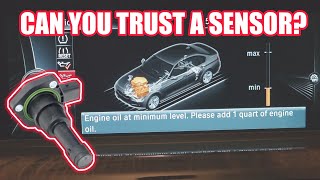
For the 2008-2013 (E70) BMW X5, the engine oil level sensor is a critical component for engine longevity. Unlike older vehicles where you could manually check the oil with a dipstick, most of these BMWs rely completely on this electronic sensor. 🎬 Learn how these sensors work without a traditional dipstick. It provides the oil level reading to your iDrive system, letting you know if you need to add oil. A failing sensor can leave you guessing about your oil level, which is a major risk for any engine.
🎬 See why a sensor failure can be fatal for your engine.Symptoms of a Failing Oil Level Sensor
When this sensor starts to fail, your X5 will usually give you clear warnings. Look out for the following signs:
- "Oil Level Low" Warning: You might get a low oil warning on your iDrive screen, but when you add the recommended amount, the warning doesn't go away or comes back quickly.
- "Oil Level Sensor Malfunction" Message: A direct message telling you the sensor itself has a problem.
- Inaccurate or Stuck Readings: The oil level display might be stuck at maximum, minimum, or somewhere in between, and it never changes.
- "Measuring Oil Level" Takes Forever or Fails: The system may constantly show it's trying to measure the oil but never gives a final reading. This often happens when the sensor has failed completely.
Choosing the Right Aftermarket Sensor
When it comes to electronics on a BMW, quality matters. While an OEM sensor from a dealer is always an option, high-quality aftermarket brands can offer comparable performance for a lower price. Forum discussions among BMW owners often highlight that very cheap, unbranded sensors can be unreliable and fail quickly, leading to the same problem in a short amount of time.
Here's a general breakdown of aftermarket brand quality:
- Premium Aftermarket (e.g., NGK/NTK, Hella): These companies are often Original Equipment Manufacturers (OEMs) for BMW and other German brands. A sensor from one of these brands may be identical to the genuine BMW part, sometimes with the BMW logo ground off. They are a reliable choice for quality and fitment.
- Quality Aftermarket (e.g., Vemo, Standard Ignition): Brands like Vemo and Standard Motor Products (SMP) have a long history of producing reliable aftermarket parts. They are generally considered a solid, cost-effective alternative to OEM parts and are trusted by many independent repair shops.
- Value-Priced Brands (e.g., Skyward, various store brands): These are the most budget-friendly options. While the price is appealing, reliability can be inconsistent. For a critical part like an oil level sensor on a BMW, it's often worth spending more on a reputable brand to avoid inaccurate readings and the labor cost of replacing the part again.
Pro Tip: The Importance of a Reset
After replacing the sensor and changing the oil, the new sensor may take some time and driving to provide a stable, accurate reading. It's not an instant process. The system needs to see the right engine temperature and operating conditions to calibrate.
Estimated Replacement Costs
The replacement requires draining the engine oil to access the sensor at the bottom of the oil pan. Because of this, it's most cost-effective to replace the sensor during a regular oil change.
| Part/Service | Estimated Cost |
|---|---|
| New OEM Sensor | $230 - $330 |
| New Aftermarket Sensor | $185 - $437 |
| Shop Labor | $182 - $267 |
| Total Professional Replacement | $400 - $600+ |
Frequently Asked Questions (FAQ)
Can I drive with a bad oil level sensor?
You can, but it's a significant risk. You will have no way of knowing if your engine oil is at a safe level. If the level drops too low, you could cause severe engine damage. It is highly recommended to get the sensor replaced as soon as possible.
Why is my new aftermarket sensor not giving a reading?
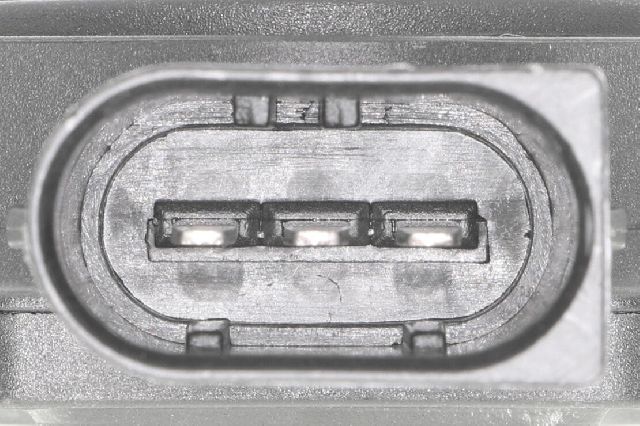
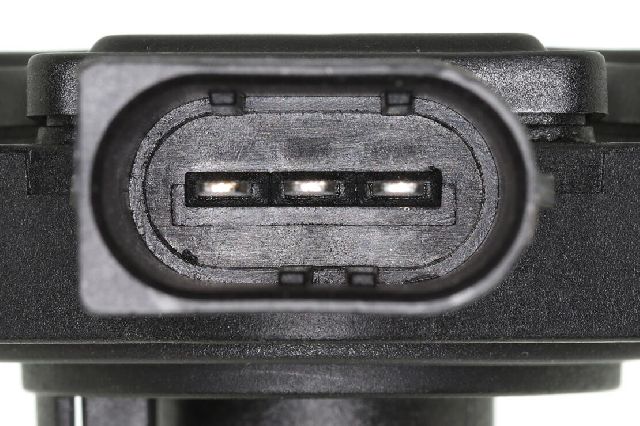
First, ensure the electrical connector is fully seated. Second, the car needs to be driven for a few minutes at operating temperature for the new sensor to begin providing readings. If it still doesn't work, there's a chance the new part is faulty, which is a known risk with lower-quality brands.
Can I replace the oil level sensor myself?
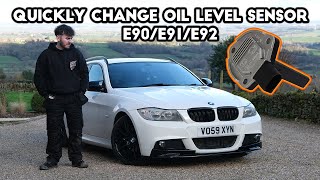
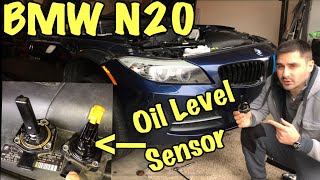
Yes, if you are comfortable performing an oil change. The job requires draining the oil, removing the under-engine splash shield, unplugging the old sensor, unbolting it (typically three 10mm nuts), and installing the new one. 🎬 Watch a step-by-step DIY guide for replacing the sensor. You must then refill the engine with the correct amount of oil.
Is there a recall for the oil level sensor on the 2008-2013 X5?
No, there are no specific recalls from the NHTSA for a faulty oil level sensor on this vehicle. Failures are handled as individual repairs.
Helpful Videos
Technical Specifications
OEM Part Numbers: 12617607909 12617567722 12617548062 12617543091
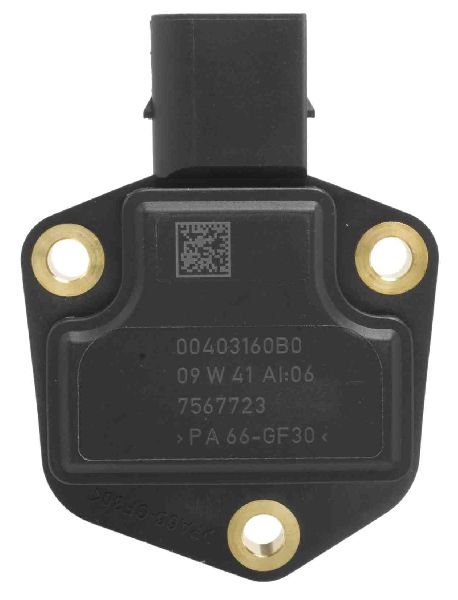
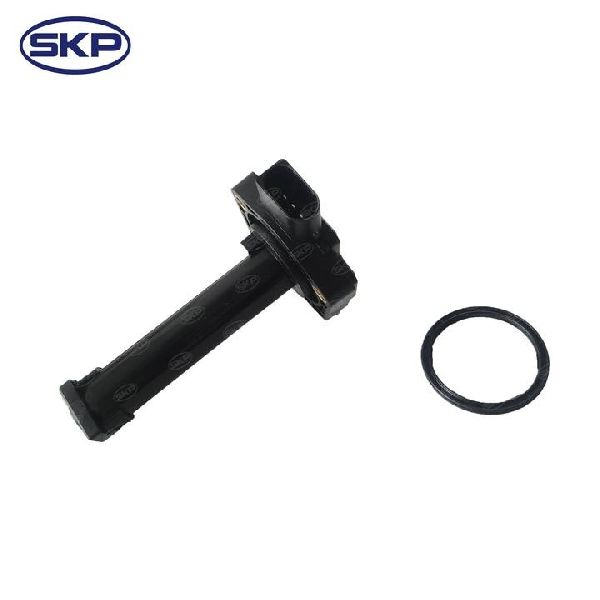
This is a combination sensor that measures engine oil level, oil temperature, and oil quality. It is mounted to the bottom of the engine's oil pan and secured with three nuts. It communicates with the engine control module (DME) via a bit-serial data interface.
We Have This Part in Stock


The information in this article is provided for general reference and educational purposes only. Vehicle specifications, procedures, and part compatibility can vary by production date, trim level, and region. Always consult your vehicle's factory service manual and verify part numbers before purchasing or performing repairs. Safety-critical components such as airbags, seat belts, and braking systems should be installed by a qualified professional.
- BMW X5: