

Dodge Challenger Engine Coolant Temperature Sensor Guide (2008-2013)
Fix your Challenger's overheating, poor fuel economy, and Check Engine Light issues by understanding the ECT sensor.
- A bad ECT sensor can cause a wide range of symptoms, including poor fuel economy, overheating, and a Check Engine Light (P0117, P0118).
- This is a simple, inexpensive DIY replacement for most owners, typically taking less than an hour with basic tools.
- While Mopar is the OEM part, premium aftermarket brands like Delphi and Standard Ignition (SMP) are reliable alternatives.
- Symptoms of a bad sensor can mimic a failing thermostat; consider replacing both on a higher mileage vehicle.
Is Your Challenger's Temperature Gauge Acting Up?
A faulty Engine Coolant Temperature (ECT) sensor can cause a range of confusing problems for your Dodge Challenger. Because the sensor's readings affect so many engine functions, a bad sensor can make you think you have a major engine or transmission problem. Symptoms can appear suddenly and include everything from a Check Engine Light to the engine overheating. Ignoring these signs can lead to reduced fuel economy, failed emissions tests, and in severe cases, engine damage.
Symptoms of a Failing ECT Sensor
Here are the most common signs that your Challenger's coolant temperature sensor needs to be replaced:
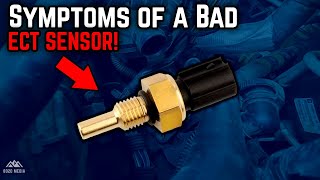
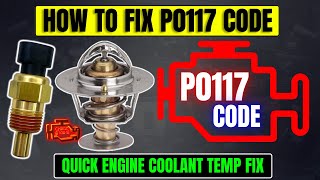
🎬 Watch: A breakdown of common ECT sensor failure symptoms- Check Engine Light: The most common symptom is a check engine light with codes like P0117, P0118, or P0116. 🎬 See how to quickly fix a P0117 trouble code
- Poor Fuel Economy: The engine may use too much fuel if the computer thinks the engine is cold when it's not.
- Engine Overheating or Running Too Cool: The sensor can fail to trigger the cooling fans, causing the engine to overheat. Conversely, it might keep the fans running constantly, preventing the engine from reaching its proper operating temperature.
- Black Smoke from Exhaust: An incorrect signal can cause an overly rich fuel mixture, leading to black smoke from the tailpipe.
- Rough Idle and Poor Performance: Incorrect fuel and timing adjustments can cause a rough idle, hesitation, and a general loss of power.
Choosing the Right Aftermarket Sensor
When replacing the ECT sensor on your Challenger, you have a choice between the original Mopar part and several aftermarket brands. For a simple sensor like this, you don't always need to buy the most expensive option, but quality is important to ensure an accurate reading.
Brand Quality Tiers
| Tier | Brands | General Assessment |
|---|---|---|
| OEM | Mopar | Original factory part. This is the benchmark for fit and performance. The part number 5149077AB is a common replacement for this vehicle generation. |
| Premium Aftermarket | Delphi, Standard Ignition (SMP), NTK | These brands are well-regarded and are often original equipment suppliers for various automakers. They are known for making reliable sensors that meet or exceed OEM specifications and are a solid choice for this repair. |
| Standard Aftermarket | Beck Arnley, Crown Automotive, Dorman | These brands offer a more budget-friendly option. Dorman and Crown are popular aftermarket choices, but some owners prefer to use OEM or premium aftermarket sensors to avoid any chance of inaccurate readings or premature failure. |
A Note on Thermostat vs. Sensor
Symptoms of a bad ECT sensor can be very similar to a failing thermostat, which can get stuck open or closed. A stuck-open thermostat often triggers a P0128 trouble code. If you are replacing the sensor, especially on a higher-mileage vehicle, it is often a good idea to replace the thermostat at the same time.
Known Issues, Recalls, or TSBs
Based on searches of the National Highway Traffic Safety Administration (NHTSA) database, there are no specific recalls or Technical Service Bulletins (TSBs) for the engine coolant temperature sensor on the 2008-2013 Dodge Challenger. While other recalls exist for the vehicle, they do not pertain to this specific component.
Frequently Asked Questions
Where is the ECT sensor located on my 2008-2013 Challenger?
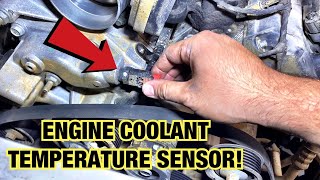
The location depends on your engine. On the 3.5L V6 engine, the sensor is typically found on the lower intake manifold, just below the upper radiator hose. On the 5.7L HEMI V8 engine, it is usually located on the front of the engine, near the thermostat housing.
🎬 Watch: How to locate and remove the sensor on a 5.7L V8Can I replace the coolant temperature sensor myself?
Yes, this is a DIY-friendly repair for most home mechanics. It is easily accessible on top of the engine and requires basic hand tools, such as a deep socket (often 19mm). The job usually takes less than an hour. You will lose a small amount of coolant, so have a drain pan ready and be prepared to top off the coolant after you are finished.
What happens if I don't replace a bad ECT sensor?
Driving with a bad sensor is not recommended. It can cause persistently poor fuel economy, rough engine performance, and make it difficult to pass an emissions test. In a worst-case scenario, if the sensor fails to tell the computer the engine is overheating, it can lead to severe engine damage like a warped cylinder head.
Is a Mopar sensor better than aftermarket for my Challenger?
While the Mopar sensor is a guaranteed fit and quality, premium aftermarket brands like Delphi or Standard Ignition are excellent alternatives that often provide similar performance for less money. For a critical-but-simple sensor like this, many owners have success with these brands. Using a lower-quality, budget sensor can be risky, as an inaccurate reading can cause other running issues.
Helpful Videos
Technical Specifications
OEM Part Numbers: 5149077AB
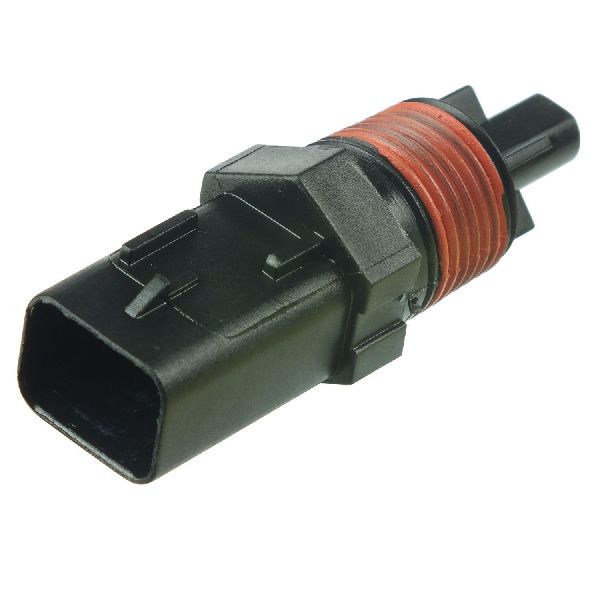
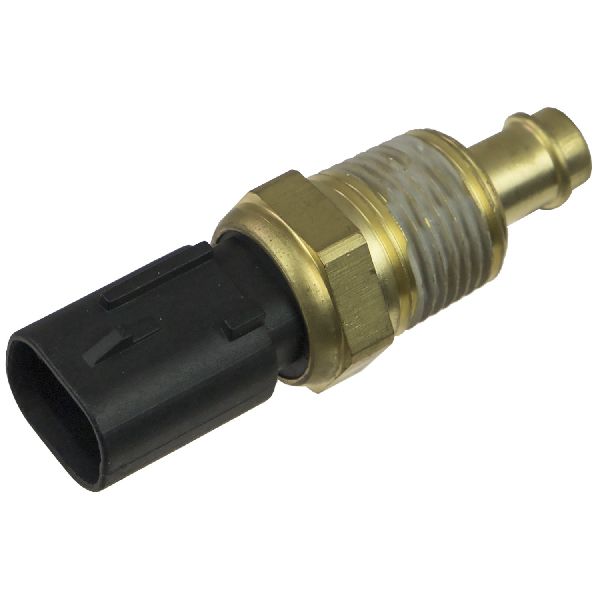
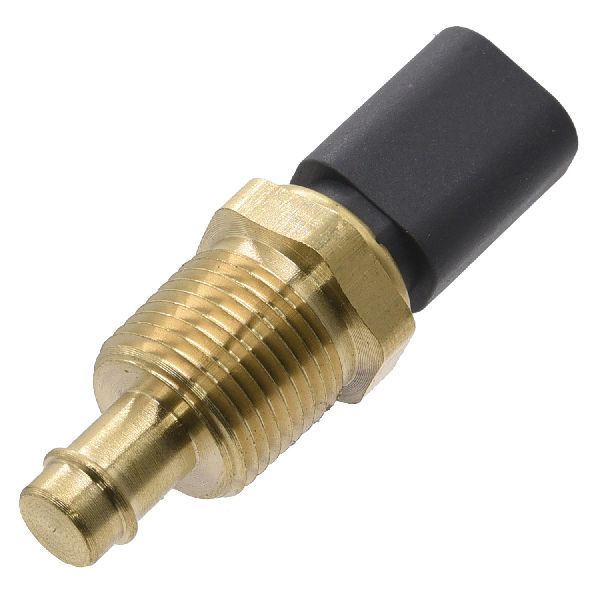
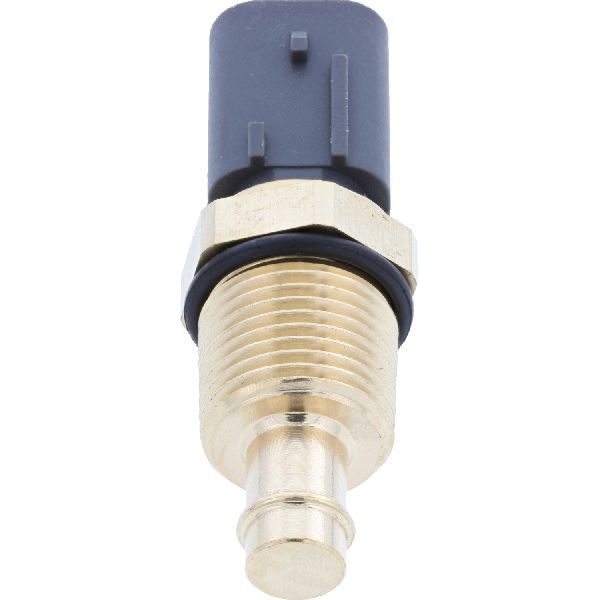
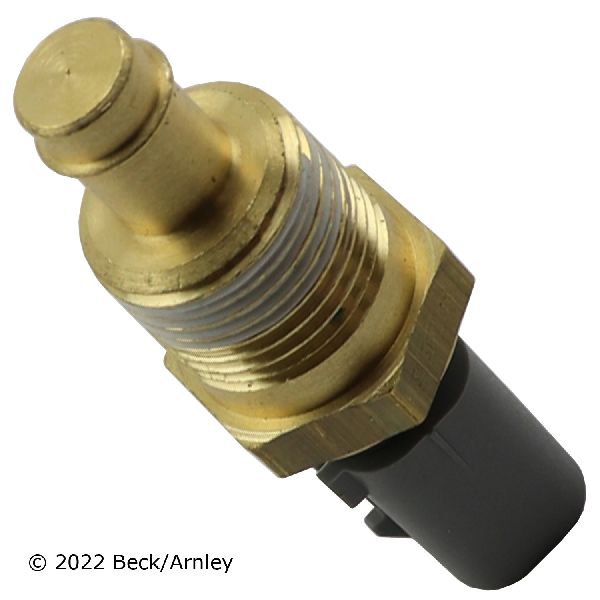
The sensor is a 2-pin thermistor that measures coolant temperature to inform the Powertrain Control Module (PCM). It is typically located on the thermostat housing or intake manifold.
We Have This Part in Stock


The information in this article is provided for general reference and educational purposes only. Vehicle specifications, procedures, and part compatibility can vary by production date, trim level, and region. Always consult your vehicle's factory service manual and verify part numbers before purchasing or performing repairs. Safety-critical components such as airbags, seat belts, and braking systems should be installed by a qualified professional.
- Dodge Challenger: