

A Ford F-150 Owner's Guide to A/C Compressor Replacement (2008-2013)
If your truck's A/C is blowing warm, this guide will help you choose the right new aftermarket compressor.
- A failing A/C compressor often makes grinding or roaring noises when the A/C is turned on.
- Always replace the compressor as a kit with a new accumulator/drier and orifice tube to avoid damaging the new part.
- For a long-term repair, consider top-tier aftermarket brands like Valeo or Denso, which offer quality similar to OEM.
- This job requires special tools for handling refrigerant; professional installation is recommended for most owners.
Is Your F-150's A/C Blowing Warm Air?

When the air conditioning in your 2008-2013 Ford F-150 stops blowing cold, a failing A/C compressor is a common cause. This part works hard and can wear out over time. Symptoms often start with the air not feeling as cold as it used to, and can end with strange noises or a complete failure of the system. This guide will walk you through the symptoms, how to choose a quality aftermarket part, and what to expect for costs.
Signs of a Failing A/C Compressor

Look out for these common warning signs:
- Warm Air: The most obvious symptom is air from the vents that isn't cold, even when the A/C is on max.
- Loud Noises: You might hear a grinding, roaring, or squealing noise when you turn the A/C on. This can be from failing internal bearings or a bad clutch.
- Clutch Not Engaging: The A/C compressor has a clutch on its pulley that engages to turn the compressor on. You can often see and hear it click when the A/C is activated. If the center of the pulley isn't spinning when the A/C is on, the clutch may have failed. 🎬 Watch: How to diagnose and repair a failing compressor
- Leaking Fluid: Oily residue on the compressor body can indicate a leak from the internal seals or bearings.
Known Issues for 2008-2013 F-150
While no major recalls exist for the A/C compressor on these specific models, Ford did issue a Technical Service Bulletin (TSB SSM 48135) for some 2013 models with a specific type of compressor that could cause poor A/C performance. A common failure point seen by mechanics is the rubber dampener in the clutch hub melting or separating, which stops the compressor shaft from spinning even though the pulley is.
Choosing a New Aftermarket A/C Compressor

When replacing your compressor, you have a choice between OEM (Motorcraft) and various aftermarket brands. For a truck that's over a decade old, a quality aftermarket part can offer a great balance of price and reliability.
Here’s how the brands generally stack up:
- Top-Tier Aftermarket (Valeo, Denso): These brands are often original equipment manufacturers for many car companies. Their quality is very close to, and sometimes the same as, the OEM Motorcraft part. They are an excellent choice if you plan to keep your truck for a long time.
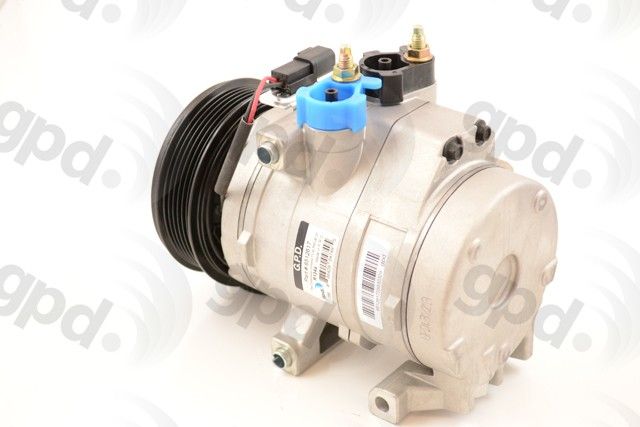
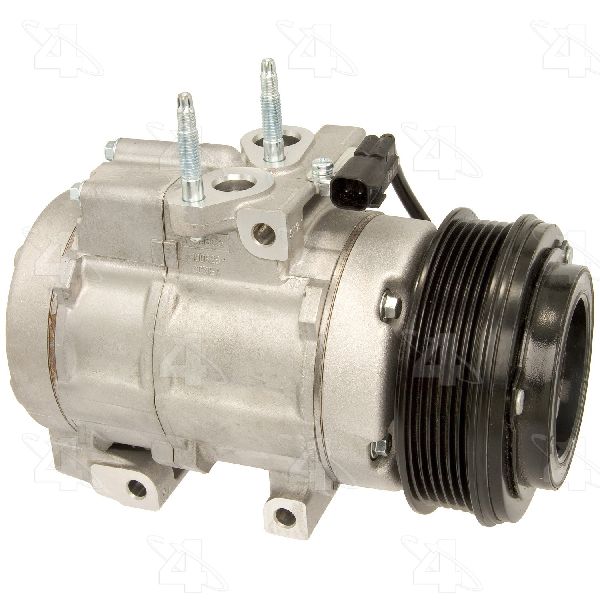
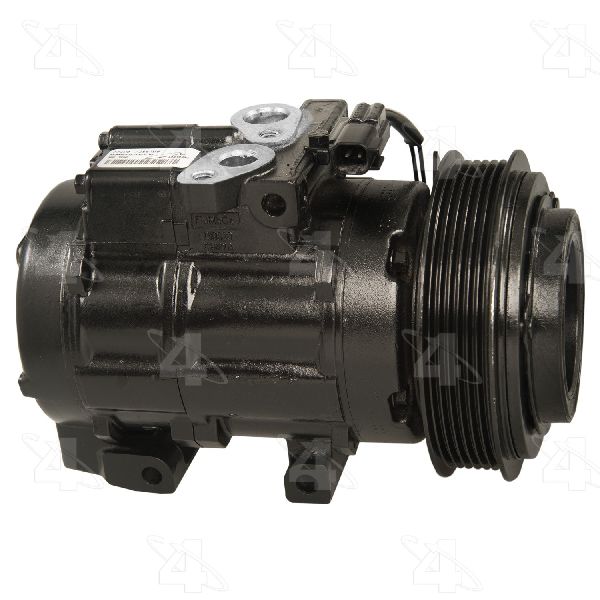
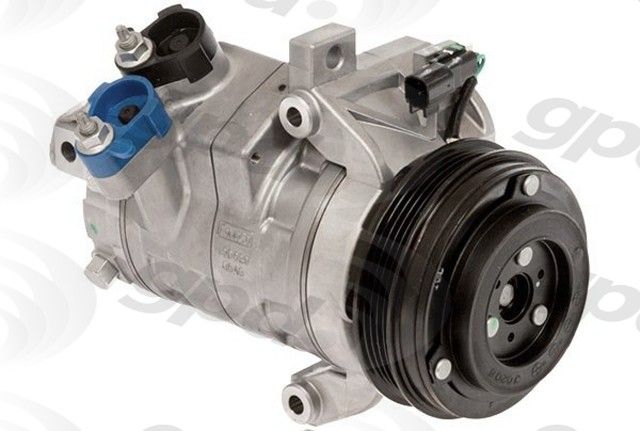
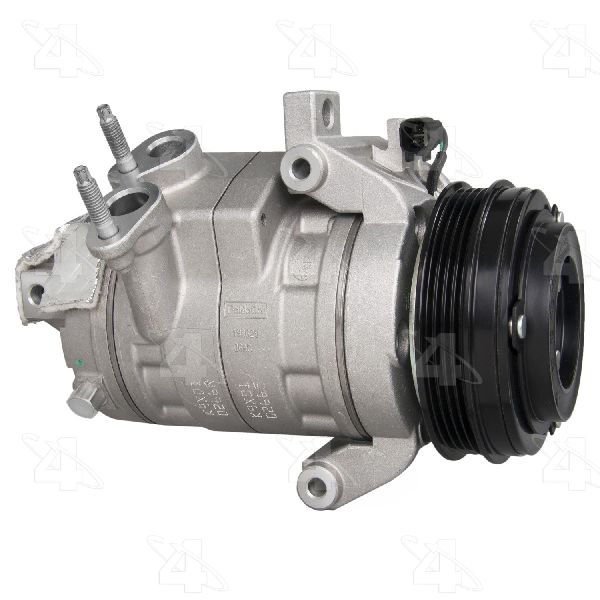
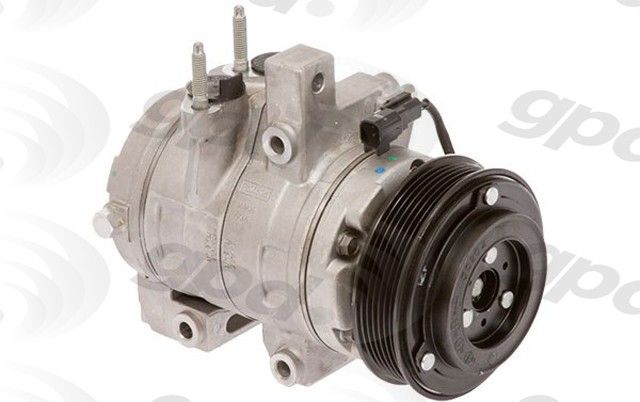
- Standard Aftermarket (Four Seasons, Global Parts/GPD): These are popular and widely available brands. Four Seasons has been around a long time and is known for offering complete kits, which are highly recommended. Reviews can be mixed, but they are a solid, budget-friendly choice for most owners.
- Economy (Replacement): This is often a private label or generic brand. While the price is low, the long-term durability may not match the higher-tier brands. This might be an option if you're on a tight budget or plan on selling the truck soon.
Always Replace as a Kit!
When a compressor fails, it can send small metal particles throughout the A/C system. To prevent your new compressor from being damaged, you must also replace the A/C Receiver Drier (or Accumulator) and the Orifice Tube (or Expansion Valve). Most aftermarket brands offer kits that include these essential parts. Not replacing them will likely void your new part's warranty.
Cost to Replace a 2008-2013 F-150 A/C Compressor
| Part/Service | Estimated Cost |
|---|---|
| New Aftermarket Compressor Kit | $222 - $570 |
| New OEM (Motorcraft) Compressor | $380 - $635 |
| Shop Labor | $450 - $600 |
| Total Professional Replacement | $700 - $1,200+ |
Frequently Asked Questions

Is this a DIY job?
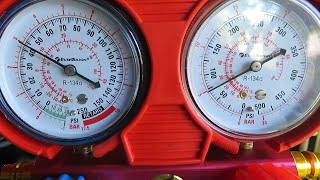
Replacing the A/C compressor is a moderately difficult job for an experienced DIYer. It requires special tools, including a manifold gauge set and a vacuum pump, to safely handle the refrigerant and properly prepare the system. You must have the old refrigerant recovered by a certified shop before you start. Because of these requirements, most owners choose to have a professional do the work.
🎬 See this step-by-step compressor removal and replacement guideWhat is an A/C accumulator or receiver/drier?
The accumulator (or receiver/drier) is like a filter for the A/C system. It removes moisture and debris from the refrigerant. It's critical to replace it with the compressor to ensure the system is clean and free of moisture, which can damage the new compressor.
What does it mean to "evacuate and recharge" the system?
After the new parts are installed, a powerful vacuum pump is connected to the system to boil off any air and moisture for at least 30-45 minutes. Then, the exact amount of new refrigerant and oil specified for your truck is added back into the system. This is called recharging. An incorrect charge will cause poor cooling and can damage the compressor.
🎬 Watch: How to vacuum and recharge your A/C systemMy compressor pulley is seized. Can I still drive the truck?
No. The A/C compressor is driven by the main engine belt. If the pulley is seized and cannot spin, it will quickly destroy the belt. This can leave you stranded and may cause other engine components, like the alternator or water pump, to stop working.
Helpful Videos
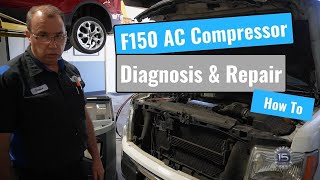
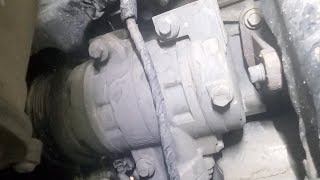
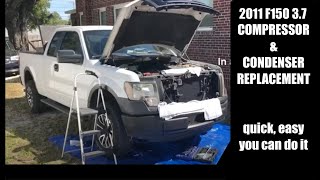
Technical Specifications
OEM Part Numbers: 9L3Z-19703-C 8L3Z-19703-C 9L1Z-19703-A BL3Z-19703-C
Compressor type varies by engine (FS-20, DKS-20, etc.). Pulley typically has a 6-groove design. System uses R-134a refrigerant. Always verify the exact compressor model and oil capacity for your specific engine before purchase.
We Have This Part in Stock

The information in this article is provided for general reference and educational purposes only. Vehicle specifications, procedures, and part compatibility can vary by production date, trim level, and region. Always consult your vehicle's factory service manual and verify part numbers before purchasing or performing repairs. Safety-critical components such as airbags, seat belts, and braking systems should be installed by a qualified professional.
- Ford F-150: