

Hyundai Santa Fe Crankshaft Position Sensor Guide for 2008-2013 Models
Fix stalling and starting problems in your Santa Fe by understanding and choosing the right crankshaft position sensor.
- Sudden stalling is a critical symptom of a failing crankshaft sensor and is a major safety risk.
- The most common diagnostic code associated with this failure is P0335.
- Replacement is a manageable DIY job; location varies between the 4-cylinder and V6 engines.
- For this critical part, choosing an OEM or premium aftermarket brand (Beck Arnley, Delphi, NTK) is strongly recommended over budget options.
Is Your Santa Fe Stalling or Not Starting? It Could Be the Crank Sensor.
If your 2008-2013 Hyundai Santa Fe suddenly stalls at a stoplight, has trouble starting, or the check engine light is on, a bad crankshaft position sensor is a common cause. This sensor is essential for engine operation, and when it fails, it can leave you stranded. Because it can fail without much warning, it's a good idea to address the symptoms as soon as they appear.
Common Symptoms of a Failing Crankshaft Sensor
A failing sensor can cause several noticeable problems. You might experience one or more of the following:
- Check Engine Light: This is often the first sign. The most common trouble code is P0335.
- Engine Won't Start: The engine may crank but refuse to start because the computer isn't getting the signal it needs to create a spark.
- Stalling: The engine may shut off unexpectedly while you're driving, especially when the vehicle is warm or stopped in traffic. This is a serious safety risk.
- Rough Idle and Misfires: Your engine might shake, vibrate, or sound like it's stumbling at idle.
- Poor Acceleration: The car may feel sluggish and lack power when you press the gas pedal.
Known Issues for Hyundai Santa Fe
While there are no active recalls specifically for the crankshaft position sensor on the 2008-2013 models, older 2.7L V6 Santa Fe models were recalled for this issue. Engine stalling from various causes is a widely reported problem for this generation. Given the sensor's critical role and the potential for sudden stalling, replacing a faulty sensor immediately is important for safety.
Choosing the Right Aftermarket Sensor for Your Santa Fe
When it comes to critical engine sensors, quality matters. A cheap, poorly made sensor can fail quickly or be dead on arrival, leaving you with the same problem. For a part like this, it's often best to choose an OEM or a premium aftermarket brand.
OEM (Original Equipment Manufacturer): The original part for your Hyundai was likely made by a company named Mando. Buying a genuine Hyundai-branded sensor is the safest option for guaranteed fit and function.
Premium Aftermarket Brands: These brands are known for making high-quality parts that meet or exceed OEM standards. They are a reliable alternative to the dealer part.
- Beck Arnley: Specializes in parts for foreign vehicles and often sources from the same manufacturers as the original parts.
- Delphi: A major OEM supplier with a strong reputation for electronics and sensors.
- NGK / NTK: Famous for spark plugs, their NTK division makes high-quality engine sensors.
- Standard Motor Products (SMP): A long-standing brand that offers reliable sensors, often under the 'Intermotor' or 'BWD' name.
Standard Aftermarket Brands: These offer a balance of value and quality and are a good fit for many repairs.
- Dorman: A popular choice that engineers solutions to common part failures.
- Spectra Premium / Walker Products: Well-known names in the aftermarket that offer dependable options.
Pro Tip: OEM vs. Aftermarket
For a critical sensor like the crankshaft position sensor on your Santa Fe, spending a little more on an OEM or a premium aftermarket brand like Beck Arnley, Delphi, or NTK is a smart investment. It reduces the risk of having to do the job twice due to a faulty part.
Cost to Replace the Crankshaft Position Sensor
The cost depends on whether you do it yourself or have a shop do the work. The part itself is not very expensive, but labor can add up depending on which engine your Santa Fe has.
| Part/Service | Estimated Cost |
|---|---|
| New Aftermarket Sensor | $27 - $94 |
| New OEM Sensor | $85 - $185 |
| Shop Labor | $75 - $215 |
| Total (Shop Replacement) | $170 - $390 |
Frequently Asked Questions (FAQ)
Where is the crankshaft sensor on a 2008-2013 Santa Fe?
The location depends on your engine. For 2.4L 4-cylinder engines, it's on the back of the engine block near the transmission, under the exhaust manifold. For 3.3L and 3.5L V6 engines, it's typically mounted on the transmission bell housing, and you can get to it by removing the battery and battery tray.
Can I replace this sensor myself?
Yes, this is a DIY-friendly job for many people. It usually requires basic hand tools like a 10mm socket with an extension and swivel. For the 2.4L engine, you will likely need to safely jack up the vehicle to get access from underneath. For V6 models, removing the battery is the key to gaining access. Always disconnect the negative battery terminal before starting work.
Is an OEM sensor really better for my Hyundai?
For critical electronic sensors, OEM parts provide the highest assurance of compatibility and longevity. However, premium aftermarket brands like Beck Arnley, Delphi, and NTK are trusted alternatives that often perform just as well for a lower price. Budget-friendly sensors have a higher risk of being faulty out of the box.
What happens if I ignore a bad crankshaft sensor?
Ignoring it is not recommended. The problem will likely get worse, progressing from hard starting to frequent stalling. A sudden engine stall while driving, especially in traffic or at high speed, is extremely dangerous and can increase the risk of a crash.
Technical Specifications
OEM Part Numbers: 39180-3E100 39310-3C100 39180-25300 39310-3C410
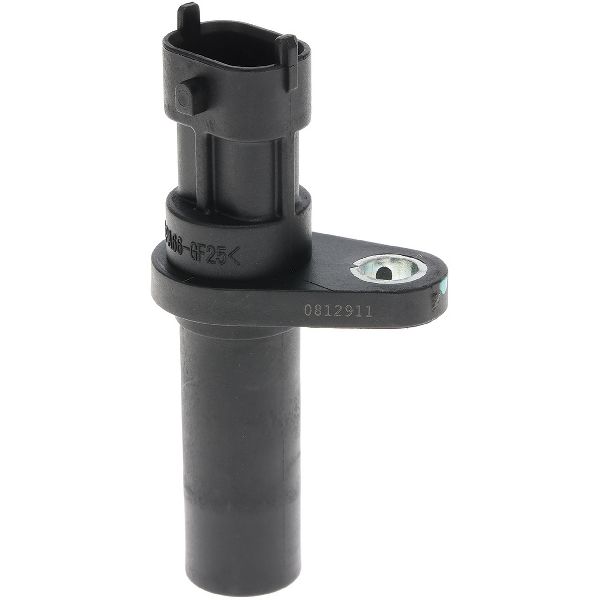
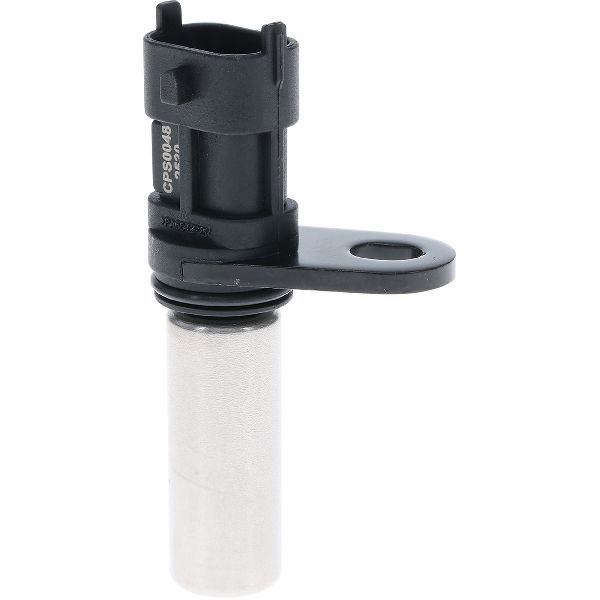
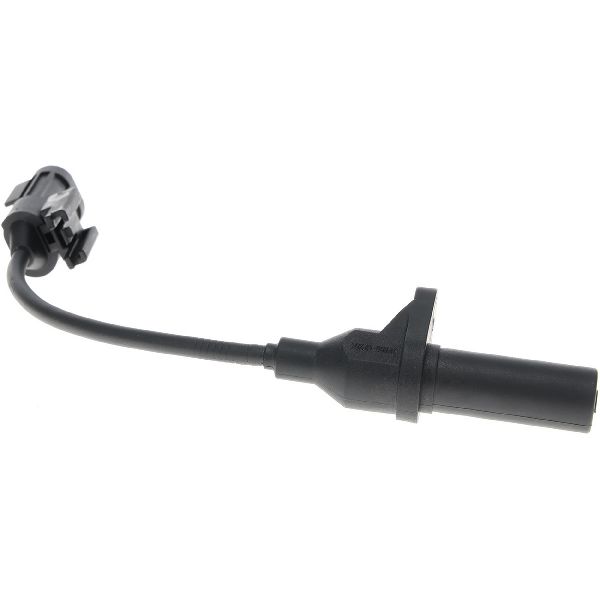
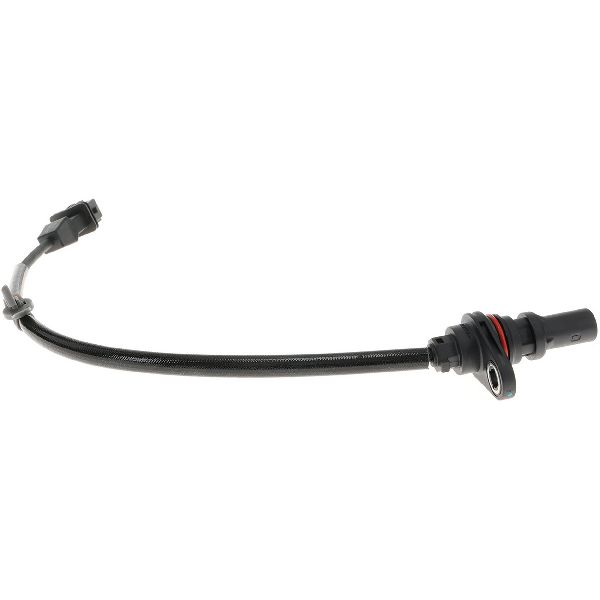
The sensor is a magnetic hall-effect type sensor held in place by a single 10mm bolt. It reads teeth on the engine's flywheel or flexplate to determine rotational speed and position.
We Have This Part in Stock


The information in this article is provided for general reference and educational purposes only. Vehicle specifications, procedures, and part compatibility can vary by production date, trim level, and region. Always consult your vehicle's factory service manual and verify part numbers before purchasing or performing repairs. Safety-critical components such as airbags, seat belts, and braking systems should be installed by a qualified professional.
- Hyundai Santa Fe:
- 🛍️ Shop This Part
- Is Your Santa Fe Stalling or Not Starting? It Could Be the Crank Sensor.
- Common Symptoms of a Failing Crankshaft Sensor
- Known Issues for Hyundai Santa Fe
- Choosing the Right Aftermarket Sensor for Your Santa Fe
- Pro Tip: OEM vs. Aftermarket
- Cost to Replace the Crankshaft Position Sensor
- Frequently Asked Questions (FAQ)
- 🎟️ Get 5% Off