

Essential Guide to Disc Brake Hardware for the 2008-2013 Jeep Wrangler JK
Don't let worn-out clips and pins ruin your brake job; here's what you need to know.
- Always replace the disc brake hardware kit when changing brake pads to prevent noise and uneven wear.
- Sticking caliper guide pins are a common issue on the JK; ensure they are cleaned, lubricated, or replaced.
- A dragging brake might be a collapsed brake hose, not just bad hardware or a seized caliper.
- For Jeeps with larger tires or heavy off-road use, consider premium hardware with stainless steel components for better durability.
Is Your Jeep's Brake Hardware Failing?
On a 2008-2013 Jeep Wrangler, the brake system is tough, but the small hardware components are often the first to cause problems. Because the JK uses a floating caliper design, it relies on clean, lubricated guide pins to let the caliper move side-to-side. When this hardware corrodes, gets clogged with dirt from the trail, or simply wears out, you'll start to notice issues. Many strange brake noises and uneven pad wear can be traced back to old hardware, not the pads or rotors themselves.
Always Replace Hardware with Pads
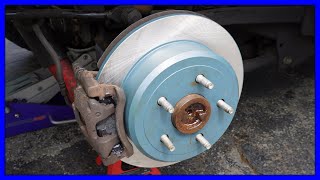
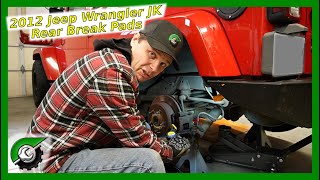
Reusing old brake hardware is a common mistake. A new set of brake pads should always be installed with a new hardware kit. 🎬 Watch: Full walkthrough for replacing rear rotors and pads. The clips lose their tension over time, and old guide pins can cause a new brake job to fail prematurely by causing pads to drag or wear at an angle.
Choosing the Right Aftermarket Hardware Kit
For the Jeep Wrangler JK, the quality of aftermarket brake hardware is generally very good, and in some cases, superior to the original parts, especially when it comes to materials and corrosion resistance. You don't need to buy expensive OEM parts to get reliable performance. Here's a breakdown of common aftermarket brands:
| Brand Tier | Brands | Quality & Notes |
|---|---|---|
| Standard Replacement | Carlson, Centric, Dorman, Raybestos | These brands provide reliable, OEM-equivalent hardware. They are affordable and widely available. Many of these brands are manufactured by the same parent company and offer similar quality. They are a solid choice for daily driving and light off-roading. |
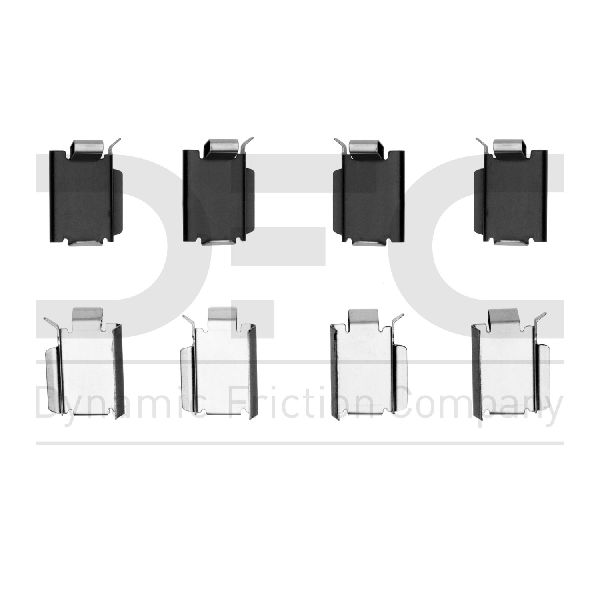
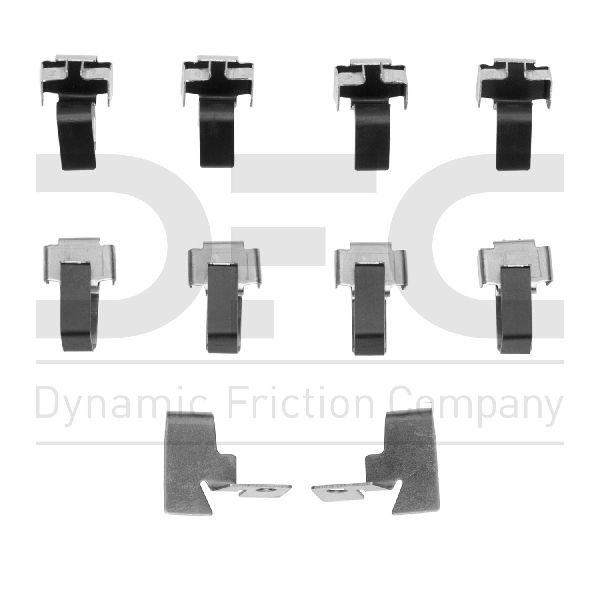
| Premium / Heavy-Duty | Dynamic Friction (DFC), some Raybestos Element3/Carlson HD lines | These kits often feature upgraded materials, such as stainless steel for clips instead of plated steel, and better coatings on pins for improved corrosion resistance. For a Jeep that frequently sees harsh conditions, spending a few extra dollars on a premium hardware kit is a smart investment. |
Known Issues for 2008-2013 Wrangler Brakes
While there are no recalls specifically for the disc brake hardware, related issues can affect your brake job:
- Sticking Calipers: The JK platform is known for calipers that seize or stick due to corrosion on the piston or slide pins. When replacing hardware, it's critical to clean and lubricate the caliper slide pins and ensure they move freely. If a pin is seized, the hardware kit should contain a replacement.
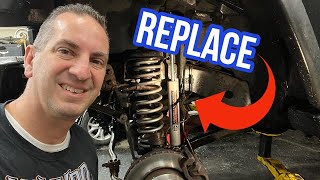
- Collapsed Brake Hoses: A common issue that can feel exactly like a seized caliper is an internally collapsed brake hose. The hose can act as a one-way valve, trapping pressure on the caliper and causing the pads to drag. If you have a dragging brake that a new caliper and hardware don't fix, the hose is the next logical part to replace. 🎬 Watch: Step-by-step guide to replacing your brake flex hose.
- NHTSA Recall 08V-202: This recall applies to some 2007-2008 right-hand drive (RHD) models where the steering shaft could rub against the rear brake tubes, potentially causing a brake fluid leak and loss of braking.
Pro Tip: Use the Right Grease
When you install your new hardware, use a high-temperature silicone-based brake lubricant on the caliper guide pins and on the back of the brake pads where they contact the caliper piston and bracket. Do NOT use regular anti-seize on guide pins, as it can cause the rubber boots to swell and fail.
Frequently Asked Questions (FAQ)
Why are my new brakes making a squeaking or cricket noise?
This is a very common issue on Jeep Wranglers, often caused by worn or improperly installed brake pad clips (the main part of your hardware kit). When the clips lose tension, the pads can vibrate, creating a high-pitched squeal or a chirping sound that sounds like crickets. Off-road dust and debris can also get caught between the pad and rotor, causing noise.
Do I need to replace the front and rear hardware at the same time?
No, you only need to replace the hardware for the axle you are servicing. Front and rear brake hardware kits are sold separately. However, it is recommended to replace the hardware on both the left and right sides of the same axle at the same time to ensure even brake performance.
My brake pads wore out on one side much faster than the other. Is that a hardware problem?
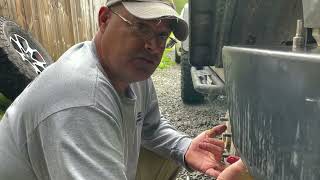
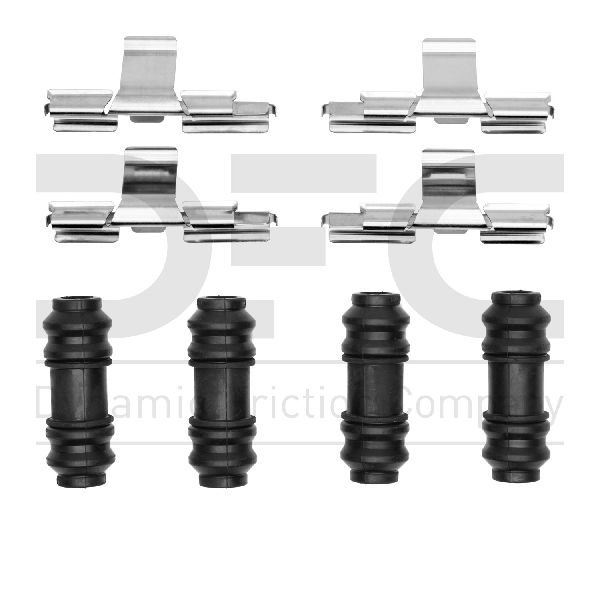
Yes, this is a classic symptom of a seized caliper guide pin. 🎬 See how to repair a stuck rear brake guide pin. The hardware kit includes new pins and boots. When a pin is stuck, the caliper can't "float" properly, causing one pad (usually the inner one) to maintain constant pressure on the rotor, wearing it out extremely quickly.
What's the difference between ceramic and semi-metallic pads, and does it affect the hardware?
The pad material doesn't affect the hardware you need. The choice between ceramic and semi-metallic pads depends on your priorities. Ceramic pads are generally quieter and produce less dust, making them good for daily driving. Semi-metallic pads can offer better bite, especially when cold, but may be noisier and dustier. For Jeeps with larger tires, many owners prefer upgraded pads like those from EBC or Hawk for better stopping power.
Helpful Videos
Technical Specifications
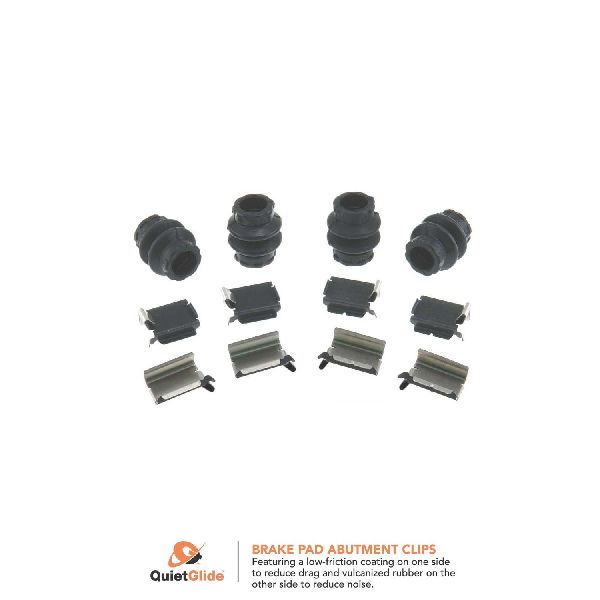
Kit typically includes anti-rattle clips (abutment clips), caliper guide pins, pin boots, and sometimes caliper bolts. Materials vary from plated steel to stainless steel.
We Have This Part in Stock

The information in this article is provided for general reference and educational purposes only. Vehicle specifications, procedures, and part compatibility can vary by production date, trim level, and region. Always consult your vehicle's factory service manual and verify part numbers before purchasing or performing repairs. Safety-critical components such as airbags, seat belts, and braking systems should be installed by a qualified professional.
- Jeep Wrangler: