

Accessory Drive Belt Replacement Guide for the 2008-2013 Kia Sorento
Learn to spot the warning signs of a failing accessory belt and choose the right aftermarket part for your Sorento's engine.
- You must know your Sorento's engine (2.4L, 3.3L, 3.5L, or 3.8L) to buy the correct belt.
- Squealing noises are a direct warning to inspect the belt system immediately.
- For a complete repair, replace the belt tensioner and idler pulleys at the same time as the belt.
- If the belt breaks, pull over immediately; the car is not drivable due to the risk of engine overheating.
Understanding Your Sorento's Accessory Drive Belt

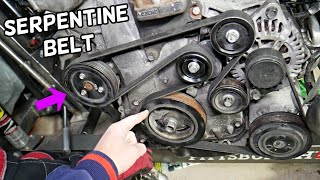
The accessory drive belt is a critical maintenance item. Because it's made of a durable rubber composite, it naturally wears out over time from constant heat, friction, and flexing. The 2008-2013 Kia Sorento model years span two different vehicle generations with different engines, so it is essential to know which engine your Sorento has (e.g., 3.8L V6, 2.4L I4, 3.5L V6) to ensure you purchase the correct length and rib-count for your belt. Using the wrong belt can lead to poor performance or damage to your engine's accessories.
Symptoms of a Worn or Failing Accessory Drive Belt

A failing belt will almost always provide warning signs before it breaks completely. Ignoring these can leave you stranded. Listen and look for these common symptoms:
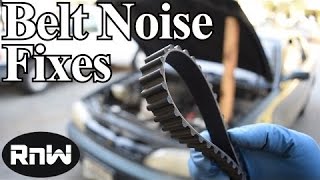
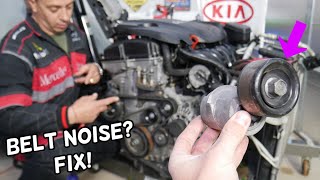
- Squealing or Chirping Noises: This is the most frequent symptom, especially when starting the engine, accelerating, or turning on the air conditioning. The noise is caused by the belt slipping on the pulleys. 🎬 Watch: How to diagnose and fix common belt squealing noises.
- Grinding or Whining Sounds: A constant grinding or whirring noise often points to a failing bearing in the belt tensioner or an idler pulley, not the belt itself. If you hear this, the pulley should be replaced along with the belt.
- Visible Wear and Tear: Inspect the belt. If you see cracks, frayed edges, missing ribs, or a smooth, shiny surface (glazing), it's time for a replacement.
- Accessory or Electrical Problems: If your headlights dim, the battery warning light comes on, the power steering feels heavy, or the A/C stops blowing cold air, the belt may be slipping badly and failing to power the accessories properly.
- Engine Overheating: The belt drives the water pump. If it fails, coolant will stop circulating, causing the engine to overheat very quickly. This can lead to severe engine damage.
Known Issue: TSB for 2013 Sorento 2.4L GDI
Kia issued a Technical Service Bulletin (TSB ENG 126) for some 2013 Sorento models with the 2.4L GDI engine related to idle stability and noise. The procedure may involve replacing the alternator pulley and the drive belt tensioner assembly. If you have this specific model and hear noises from the belt area, be aware that a more comprehensive repair may be needed.
Choosing the Right Aftermarket Belt

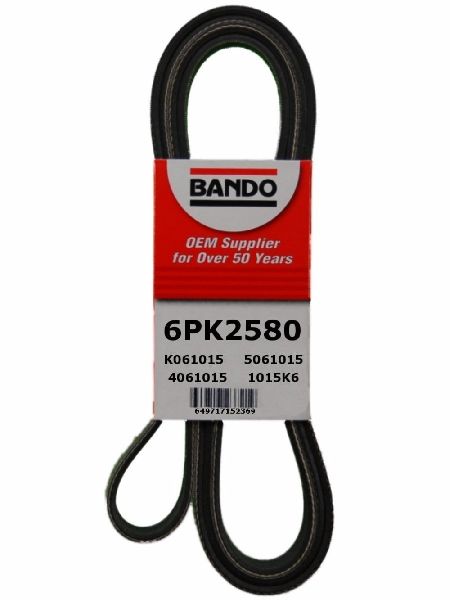
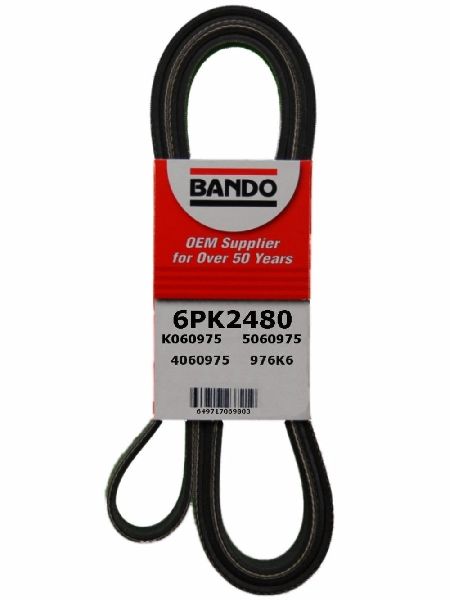
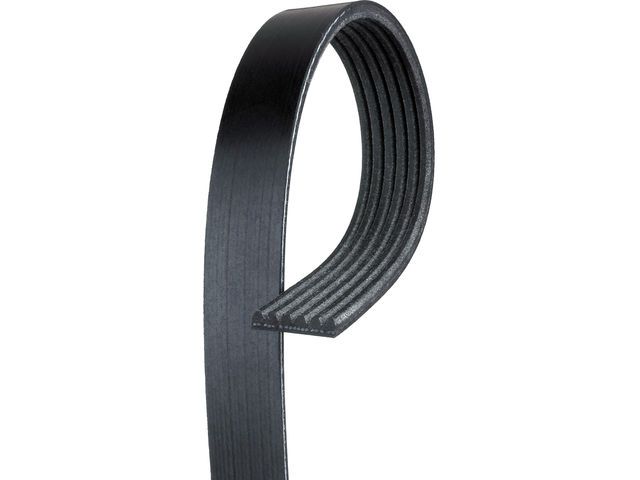
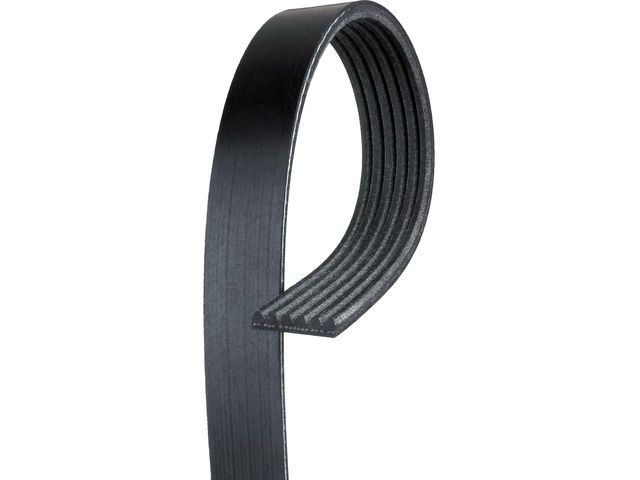
When replacing the original belt, you have several high-quality aftermarket options. For this vehicle, both Bando and ACDelco are excellent choices.
- Bando: Bando is a well-regarded manufacturer that is the original equipment (OEM) supplier for many Japanese and Korean auto brands. Choosing a Bando belt often means you are getting the same quality and material as the original Kia part, making it a top-tier replacement choice.
- ACDelco: ACDelco is the original parts brand for General Motors and a highly respected name in the aftermarket. Their belts are known for durability and reliable performance, meeting or exceeding OEM specifications. They are a premium aftermarket option you can trust.
Both Bando and ACDelco are considered reliable brands by mechanics. You can confidently choose based on price and availability, knowing either will perform well.
| Part Type | Estimated Cost |
|---|---|
| New OEM Kia Belt | $37 - $56 |
| New Aftermarket Belt (Bando, ACDelco) | $42.12 - $57.14 |
| Shop Labor | $61 - $90 |
Frequently Asked Questions (FAQ)

When should I replace my Sorento's accessory belt?
Most manufacturers recommend inspecting the belt at major service intervals (around 60,000 miles) and replacing it between 60,000 and 100,000 miles, or as soon as you notice any signs of wear like cracking or squealing.
Should I replace the tensioner and pulleys with the belt?
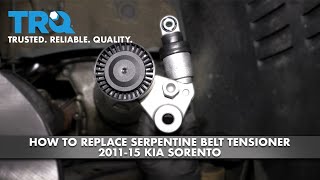
Yes, this is highly recommended. The tensioner is a spring-loaded pulley that keeps the belt tight, and its bearing wears out over time. Replacing the belt, tensioner, and any idler pulleys at the same time 🎬 See this walkthrough on replacing the belt tensioner yourself. is a smart, preventative repair that ensures the new belt lasts as long as it should. Many parts are sold as a complete kit for this reason.
Is replacing the accessory belt a DIY job?
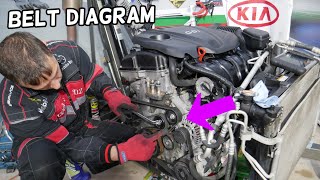
For a person with basic tools and mechanical experience, yes. The process involves using a wrench to release the spring-loaded tensioner, slipping the old belt off, routing the new belt correctly 🎬 Watch: Step-by-step serpentine belt replacement for the 2.4L engine. around all the pulleys, and then reapplying tension. The difficulty is generally low. However, access can be tight, so some patience is required.
What happens if the accessory belt breaks while driving?
You will immediately lose power to the alternator, power steering, and water pump. The battery light will come on, steering will become very difficult, and the engine will start to overheat within minutes. You must pull over to a safe location and shut off the engine immediately to prevent catastrophic damage.
Helpful Videos

Technical Specifications
OEM Part Numbers: 25212-2G100 25212-3C100 25212-2G750
The specific belt length and rib count vary by engine. For example, the 3.5L V6 uses a 6-rib belt approximately 2480mm long. Always verify the part number with your vehicle's specific engine and model year.
We Have This Part in Stock

The information in this article is provided for general reference and educational purposes only. Vehicle specifications, procedures, and part compatibility can vary by production date, trim level, and region. Always consult your vehicle's factory service manual and verify part numbers before purchasing or performing repairs. Safety-critical components such as airbags, seat belts, and braking systems should be installed by a qualified professional.
- Kia Sorento: