

Engine Water Pump Guide for the 2008-2013 Toyota Sequoia
Everything a Sequoia owner needs to know about replacing a failing engine water pump.
- The most common sign of failure is a pink, crusty residue near the front of the engine; this is a coolant leak.
- For best results and longevity, choose an Aisin-branded aftermarket water pump, as they are the original manufacturer for Toyota.
- Driving with an overheating engine can cause catastrophic damage; if the temperature gauge is high, stop the vehicle immediately.
- While replacing the pump, it is cost-effective to also replace the serpentine belt, thermostat, and inspect the tensioner pulleys.
Is Your Sequoia's Water Pump Failing?
A failing water pump on the 2008-2013 Toyota Sequoia will give you clear warning signs. Because the Sequoia uses a pink-colored Super Long Life Coolant, leaks are easy to spot. Don't ignore these symptoms, as a complete failure can lead to major engine damage from overheating.
Key Warning Signs:
- Pink Crust or Stains: The most common sign is a chalky, pink residue around the water pump pulley on the front of the engine. This is dried coolant from a small leak at the pump's "weep hole." You might also see pink splatter on the underside of your hood.
- Engine Overheating: If your temperature gauge starts climbing higher than normal, the water pump may not be circulating coolant effectively. Do not continue to drive an overheating vehicle.
- Grinding or Whining Noise: A high-pitched whine or a low grinding sound coming from the front of the engine that changes with engine speed is a sign of a bad bearing inside the pump. This means the pump is likely to seize soon.
- Visible Coolant Leak: Puddles of pink fluid on the ground under the front of your engine are a definite sign of a leak that needs immediate attention.
A Note on Seepage vs. Leaks
Toyota has issued Technical Service Bulletins (TSBs) explaining that a small amount of pink crust or staining around the weep hole can be normal and is considered "seepage." This happens when a tiny bit of coolant gets past the seals and evaporates, which can happen if small debris gets temporarily trapped. However, if you see active dripping, the coolant level in your reservoir is dropping, or the crusty area is always wet, the pump is actively leaking and must be replaced.
Choosing the Right Aftermarket Water Pump
When replacing the water pump, you have a choice between OEM (Original Equipment Manufacturer) and various aftermarket brands. For a critical part like this, quality matters.
- OEM-Tier (Best Quality): The original water pumps for Toyota are made by a company called Aisin. An Aisin-branded water pump is identical to the one you would get from a Toyota dealer, often with the "Toyota" name ground off the casting. For peace of mind and the longest life, Aisin is the top recommendation from experienced Toyota owners and mechanics.
- Reputable Aftermarket (Good Quality): Brands like Gates and Dayco are well-known for making quality belts and cooling system components. While they may not manufacture the pumps themselves, they package them in kits and stand behind the quality. ACDelco also offers reliable replacement parts for a wide range of vehicles, including Toyota models. These brands offer a good balance of quality and cost.
- Value-Oriented (Use with Caution): Brands like GMB, US Motor Works, and Skyward are often more budget-friendly. While GMB is an OE supplier for some car companies, forum discussions show mixed reviews, with some users experiencing premature failures. These pumps may be a suitable option for a budget repair, but they may not have the same longevity as OEM-tier parts.
Pro Tip: Replace More Than Just the Pump
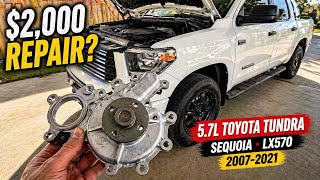
Since replacing the water pump on the Sequoia's 4.6L or 5.7L V8 requires removing the serpentine belt and fan 🎬 See how to remove the fan and belt for pump access., it's the perfect time to inspect and replace other wear items. Consider replacing the serpentine belt, tensioner pulley, and idler pulleys at the same time to save on future labor costs. Also, always install a new thermostat with a new water pump.
Cost to Replace a 2008-2013 Toyota Sequoia Water Pump
| Item | Estimated Cost |
|---|---|
| New Aftermarket Water Pump | $68 - $155 |
| New OEM (Aisin/Toyota) Water Pump | $150 - $450 |
| Shop Labor | $330 - $590 |
| Total Professional Replacement | $730 - $1,040+ |
Frequently Asked Questions
Were there any recalls for the water pump on this Sequoia?
No, there have been no specific safety recalls issued by the NHTSA for engine water pump failure on the 2008-2013 Toyota Sequoia. There were unrelated recalls for fuel pumps and limited service campaigns for air injection pumps.
Is this a good DIY job for a beginner?
Replacing the water pump on the V8 Sequoia is a moderately difficult job that can take several hours. It requires draining the cooling system, removing the fan shroud, fan clutch, and serpentine belt. While it is possible for an experienced DIY mechanic, it may be too complex for a first-timer 🎬 Watch this step-by-step guide to replacing the Sequoia water pump. due to the number of components that must be removed.
What type of coolant should I use?
You must use Toyota Super Long Life Coolant, which is pink. This is a specific formula designed for Toyota's cooling systems. Using the wrong type of coolant can lead to corrosion and damage to the new water pump and other components.
How long should a water pump last?
An original equipment (OEM) Aisin water pump can often last well over 100,000 miles. Some owners report slow leaks beginning around this mileage. The lifespan of an aftermarket pump can vary significantly based on the brand's quality.
Helpful Videos
Technical Specifications
OEM Part Numbers: 16100-09490 16100-09491 16100-39495 16100-39496 16100-09495
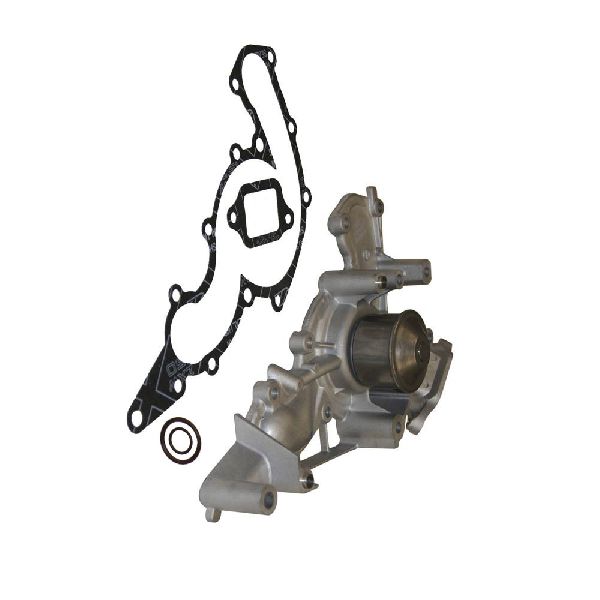
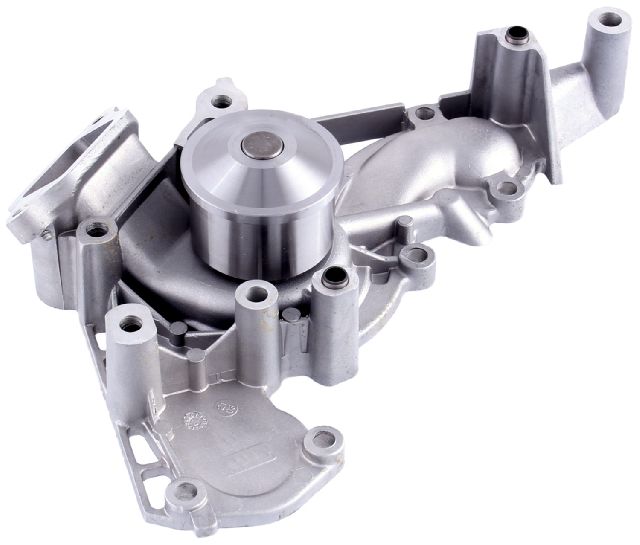
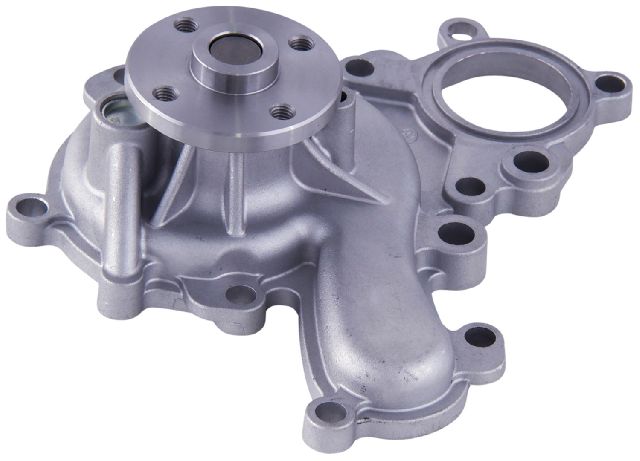
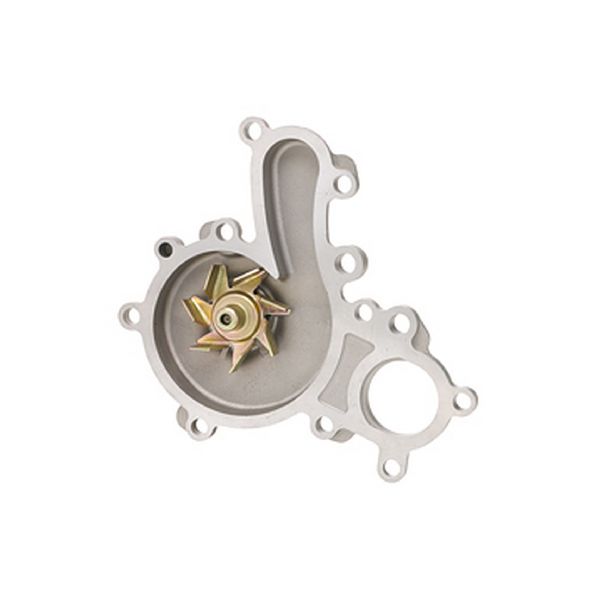
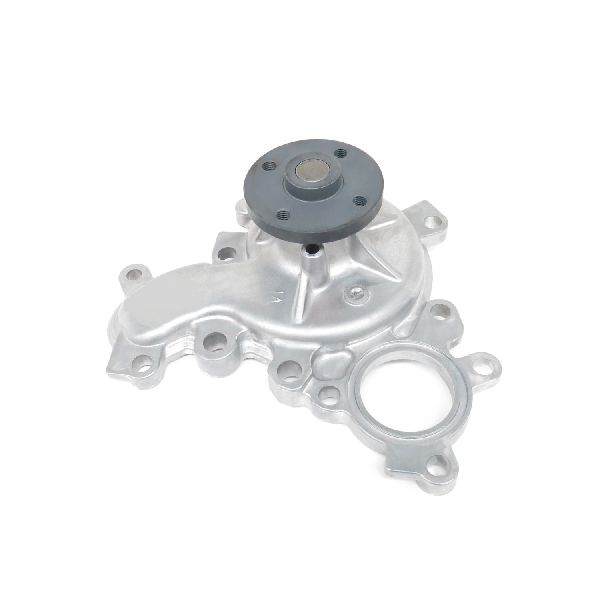
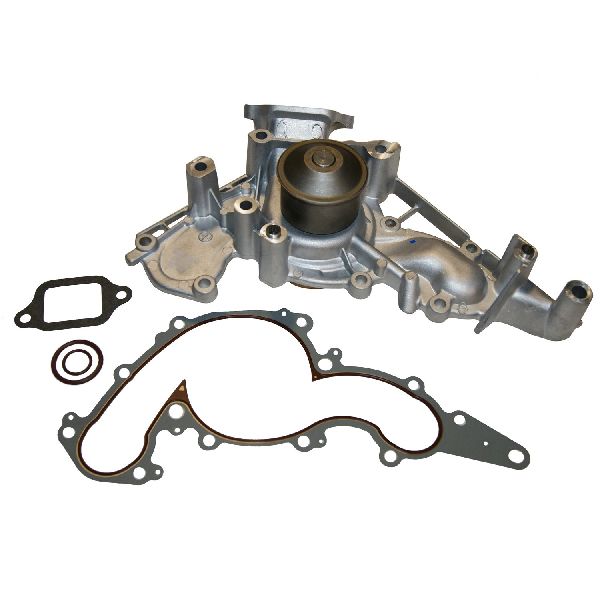
Mechanically driven by the serpentine belt. Features an aluminum housing and typically a steel or composite impeller.
We Have This Part in Stock

The information in this article is provided for general reference and educational purposes only. Vehicle specifications, procedures, and part compatibility can vary by production date, trim level, and region. Always consult your vehicle's factory service manual and verify part numbers before purchasing or performing repairs. Safety-critical components such as airbags, seat belts, and braking systems should be installed by a qualified professional.
- Toyota Sequoia: