

A Guide to the Engine Oil Cooler for the 2008-2014 Audi TT Quattro
Understanding the signs of a failing oil cooler can save your TT's engine from major damage.
- The primary sign of failure is a milky, brown sludge in the coolant tank, often mistaken for a bad head gasket.
- If you see mixed oil and coolant, do not drive the car to prevent catastrophic engine damage.
- The entire oil cooler unit must be replaced, not just the gaskets, to fix an internal leak.
- Thoroughly flushing the cooling system and changing the engine oil after replacement is mandatory.
Is Your Audi TT Quattro's Oil Cooler Failing?
A failing engine oil cooler is a common issue on the 2.0T engines found in many 2008-2019 Audi TT Quattro models. The most frequent failure isn't an external leak, but an internal one. The seals inside the cooler break down, allowing engine oil and coolant to mix. This creates a thick, brown, milky substance often called a "milkshake." Spotting this early is critical to preventing severe engine damage.
Warning: Do Not Drive
If you find a milky, brown sludge in your coolant reservoir, do not drive the vehicle. Driving with mixed oil and coolant can lead to catastrophic engine failure due to poor lubrication and overheating.
Symptoms of a Bad Engine Oil Cooler
- Oil in the Coolant: The most definitive sign is a thick, milky, or sludgy brown substance in the coolant expansion tank. This is often misdiagnosed as a blown head gasket.
- Engine Overheating: If the cooler is clogged or has failed, it can't cool the oil effectively, leading to higher overall engine temperatures.
- External Oil or Coolant Leaks: While less common for this specific failure, you might see oil or coolant leaking from the area around the oil filter housing where the cooler is mounted.
- Coolant in the Oil: In severe cases, coolant can enter the oil system. This will make the oil on your dipstick look milky and thin, which is a very serious condition that requires immediate attention.
Choosing the Right Aftermarket Part
When replacing the oil cooler, you have a choice between OEM (Original Equipment Manufacturer) and several aftermarket brands. For a critical part like this, quality matters.
| Brand Tier | Brands | General Assessment |
|---|---|---|
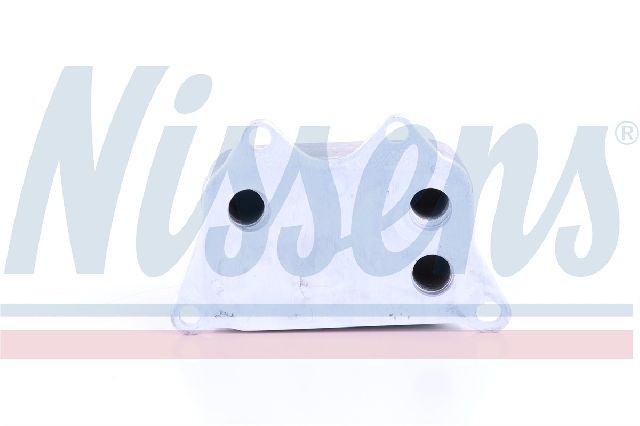
| Premium Aftermarket | Nissens, Vemo | These brands are often OEM suppliers for various car manufacturers and are generally considered to be high-quality, reliable alternatives to the dealer part. They are a solid choice for a dependable repair. |
| Standard Aftermarket | Dorman | Dorman is a widely known brand that offers a broad range of parts. Quality can sometimes be inconsistent, but they often provide a good value. Some Dorman parts are redesigned to improve on the original factory weaknesses. |
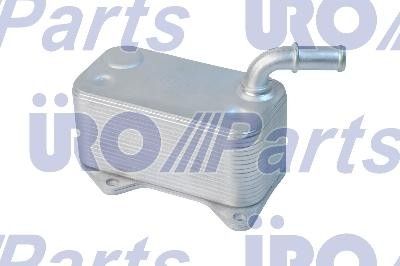
| Economy Aftermarket | URO Parts | URO Parts are typically the most budget-friendly option. While they can be a good fit for non-critical repairs, for a vital component like the engine oil cooler, carefully consider the trade-off between price and potential longevity. |
| Performance | Derale | Derale specializes in performance and universal cooling solutions. Unless they offer a direct-fit kit for your specific TT, this option may require custom installation and is generally for modified vehicles. |
Pro Tip: Flush The System!
After replacing the oil cooler, it is absolutely essential to thoroughly flush the entire cooling system multiple times to remove all oily residue. Any remaining oil can damage rubber hoses and clog the heater core. 🎬 Watch: How to perform a thorough cooling system flush A complete oil and filter change is also required.
Frequently Asked Questions (FAQ)
Is it a bad oil cooler or a blown head gasket?
Oil in the coolant is very often misdiagnosed as a blown head gasket, which is a much more expensive repair. A mechanic can perform a "block test" to check for combustion gases in the coolant. If no gases are present, the oil cooler is the most likely culprit.
🎬 Watch: How to pressure test your oil cooler for leaksCan I just replace the gaskets on the oil cooler?
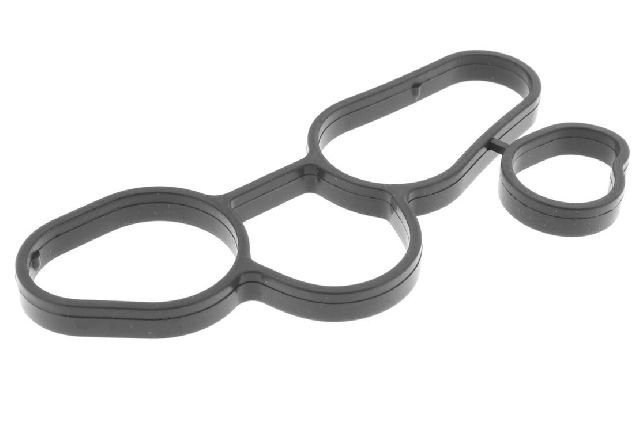
No. If oil and coolant are mixing, the failure is internal to the cooler itself. The entire unit must be replaced. Replacing only the external gaskets will not solve the problem.
How difficult is it to replace the oil cooler on a 2008-2014 TT Quattro?
The job is moderately difficult, mainly due to tight access. The oil cooler is mounted to the oil filter housing. Access may require removing other components. 🎬 See this walkthrough for replacing the oil cooler and housing The most time-consuming part of the job is often the repeated flushing of the cooling system after the new part is installed.
Are there any recalls for the engine oil cooler?
There are no specific recalls for the engine oil cooler on the 2008-2014 Audi TT Quattro. Failures are generally considered a result of age and wear. There have been recalls on other Audi models for blocked oil strainers for the turbocharger, but these are separate issues.
Helpful Videos

Technical Specifications
OEM Part Numbers: 06F117021L 06D117021C
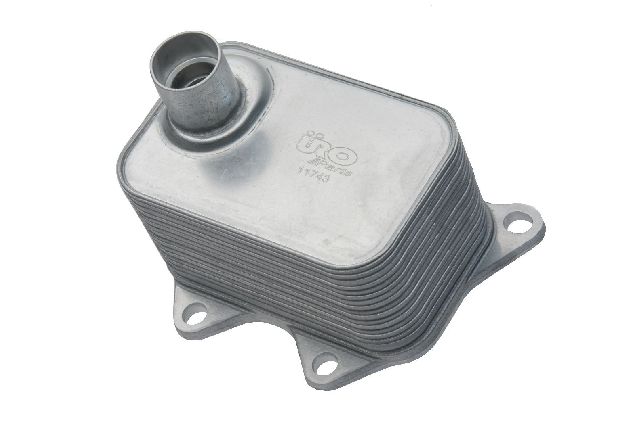
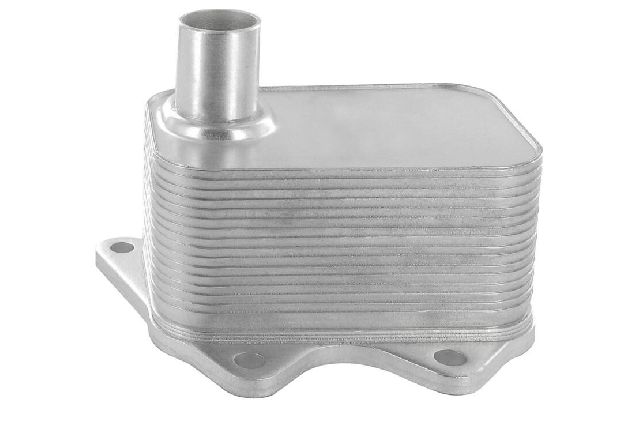
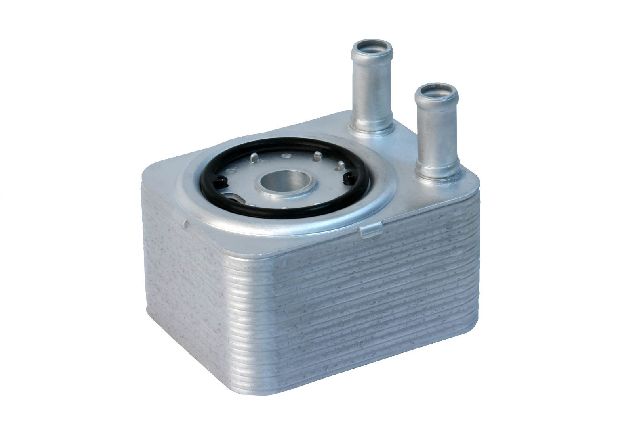
Plate-fin style, liquid-cooled (engine coolant) heat exchanger mounted to the engine's oil filter housing.
We Have This Part in Stock

The information in this article is provided for general reference and educational purposes only. Vehicle specifications, procedures, and part compatibility can vary by production date, trim level, and region. Always consult your vehicle's factory service manual and verify part numbers before purchasing or performing repairs. Safety-critical components such as airbags, seat belts, and braking systems should be installed by a qualified professional.
- Audi TT Quattro: