

A Guide to Replacing the Stabilizer Bar Bushings on Your 2008-2014 Audi TT
Eliminate suspension clunks and restore your TT's sharp handling by choosing the right stabilizer bar bushings.
- A clunking noise over bumps is the most common symptom of a failing stabilizer bar bushing.
- You must measure your stabilizer bar's diameter before ordering to ensure you get the correct size.
- Choose standard rubber bushings (Delphi, Dorman, Moog) to restore factory comfort or upgrade to polyurethane (Whiteline, Nolathane) for improved handling.
- This is a straightforward DIY replacement that can be done with basic hand tools in under two hours.
Is Your Audi TT Making a Clunking Noise?
If you're hearing a clunking, rattling, or squeaking sound from the front of your TT, especially when driving over bumps or uneven roads, there's a good chance your stabilizer bar bushings are worn out. These sounds are the most common sign of failure. Worn bushings create extra space around the stabilizer bar, allowing it to move and knock against other metal parts. You might also notice your car's handling feels less sharp, with more body lean in turns.
Don't Confuse Bushings with End Links
The stabilizer bar has two types of connections: the bushings that mount it to the frame (the subject of this article) and the end links that connect it to the suspension struts. While both can cause clunking noises when they fail, this guide focuses on the frame-mounted bushings. Often, it's a good idea to inspect both when you hear a noise.
Choosing the Right Aftermarket Bushing Kit
When replacing your TT's stabilizer bar bushings, you have two main choices for aftermarket parts: standard rubber or performance polyurethane. The best option depends on your driving style and goals.
Standard Replacement (OEM-Style Rubber)
These bushings are designed to be just like the ones your Audi TT came with from the factory. They offer a comfortable ride and are a direct replacement to fix noise and restore original handling. They are perfect for daily driving.
- Delphi: A well-regarded brand that produces a wide range of OEM-quality parts.
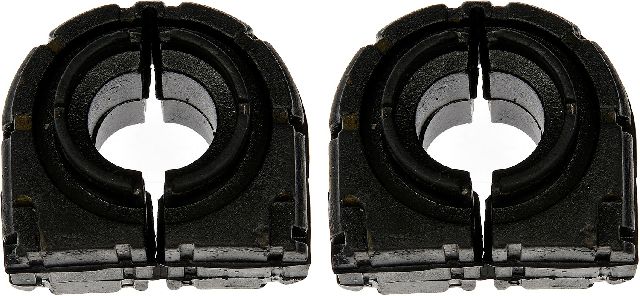
- Dorman: Known for providing affordable replacement parts that meet original specifications. A solid choice for a budget-friendly repair.
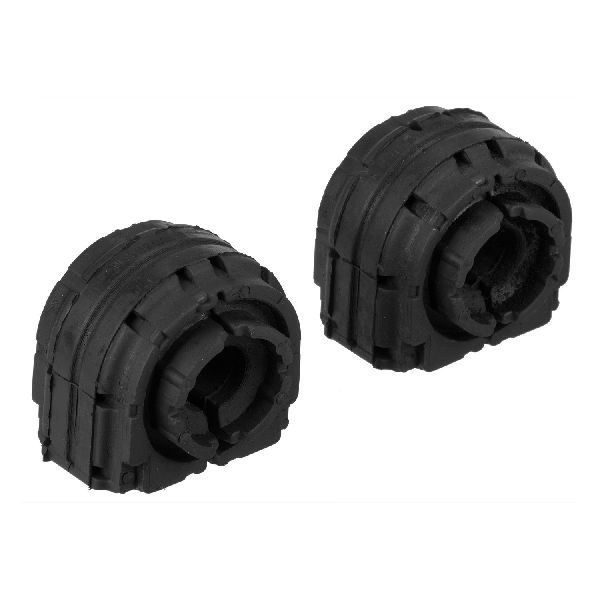
- Moog: Traditionally known as a premium aftermarket brand, Moog often engineers parts to be better than the original. They are a reliable choice for a durable, high-quality rubber bushing.
Performance Upgrade (Polyurethane)
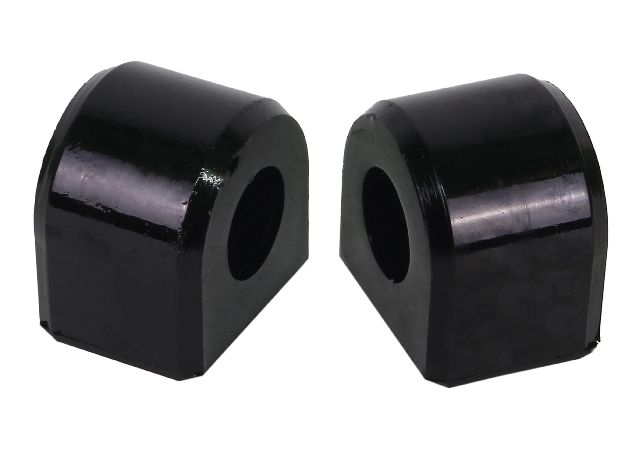
For owners who want to improve their TT's handling, polyurethane bushings are a popular upgrade. This material is much stiffer than rubber, which means less flex and more direct feedback from the suspension. The result is flatter cornering and a more responsive feel. The downside can sometimes be a slight increase in road noise or vibration (NVH).
Pro Tip: Polyurethane bushings must be installed with a special silicone-based grease (usually included) to prevent squeaking. Reapply grease if noises develop over time.
- Nolathane & Whiteline: These are popular Australian brands known for performance suspension parts. They offer a noticeable improvement in handling. Some user forum discussions mention that Nolathane can become brittle over time, while Whiteline is often praised for its durability and formulation.
Cost of Replacing Stabilizer Bar Bushings
| Part Type | Estimated Cost |
|---|---|
| New Aftermarket Bushing Kit | $13 - $23 |
| New OEM Bushing Kit | $40 - $75 |
| Shop Labor | $120 - $240 |
Cost estimates are for the parts and labor for the bushing kit only and do not include end links or other suspension components. Labor costs can vary by location.
Frequently Asked Questions
Do I need to replace the whole stabilizer bar?
No, not usually. The stabilizer bar itself is a sturdy piece of metal that rarely fails. You can replace just the worn-out bushings, which is much more cost-effective.
Is polyurethane better than rubber for my TT?
It depends on your preference. If you want to maintain the original comfortable ride, stick with high-quality rubber bushings from brands like Moog or Delphi. If you want sharper handling for spirited driving and are okay with a potentially firmer ride, polyurethane from a brand like Whiteline is an excellent upgrade.
How do I know which size bushing to buy?
This is critical. The Audi TT was available with different stabilizer bar diameters depending on the model (FWD, Quattro, TTS) and year. The only way to be certain is to measure the diameter of your car's stabilizer bar with a caliper before ordering parts. Common sizes for the Mk2 TT range from 18.5mm to 24mm.
Can I replace these bushings myself?
Yes, this is a very DIY-friendly job for someone with basic tools and jack stands. The process involves removing the front wheels, unbolting the bushing brackets, and swapping the old bushings for the new ones. Many aftermarket bushings are split, making them easy to slide over the bar.
Technical Specifications
OEM Part Numbers: 1K0411303
Varies by model. Common diameters include 18.5mm, 19mm, 21mm, 22mm, 22.5mm, 24mm. Measurement before ordering is required.
We Have This Part in Stock

The information in this article is provided for general reference and educational purposes only. Vehicle specifications, procedures, and part compatibility can vary by production date, trim level, and region. Always consult your vehicle's factory service manual and verify part numbers before purchasing or performing repairs. Safety-critical components such as airbags, seat belts, and braking systems should be installed by a qualified professional.
- Audi TT: