

2008-2014 BMW M3 Engine Coolant Temperature Sensor: A Complete Guide
Understanding the signs of a failing coolant temperature sensor in your S65 V8 and how to choose the right replacement.
- A failing sensor often triggers fault code 2AF9 and causes the cooling fan to run constantly.
- BMW released a Technical Service Bulletin (TSB) for this exact issue, recommending replacement of the sensor and its wiring connector.
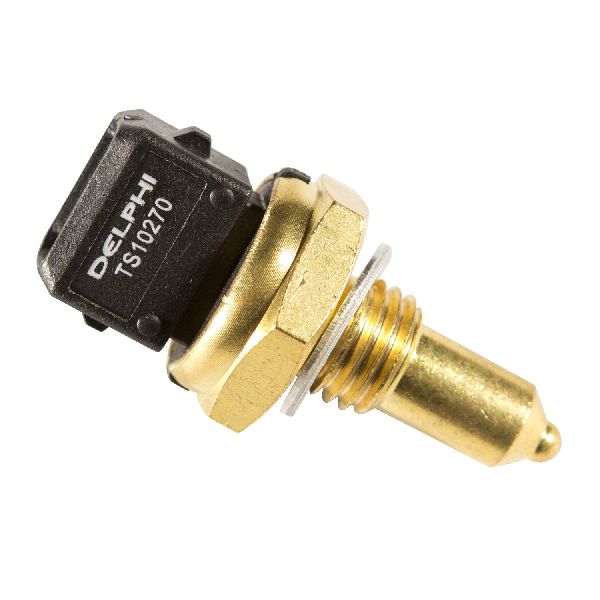
- Choosing an OEM-quality aftermarket brand like Delphi or Vemo provides dealer-level quality at a lower cost.
- Replacement is DIY-feasible but requires removing the intake plenum for access.
Symptoms of a Failing Coolant Temperature Sensor in Your M3
A bad coolant temperature sensor on the E90, E92, or E93 M3 can cause a range of problems. Because the sensor's data is so important, a faulty signal can make the engine behave unpredictably. You might notice one or more of these issues:
- Check Engine Light: The most common sign is a Check Engine Light. A scan tool will often show fault code 2AF9, which points directly to the coolant temperature sensor.
- Engine Enters Emergency Program: Your M3 may go into a reduced power mode, often called "limp mode," to protect the engine from potential damage.
- Cooling Fan Runs Constantly at High Speed: If the DME gets an illogical signal (or no signal), it will assume the worst-case scenario—an overheating engine. It will run the main cooling fan at maximum speed as a precaution, even when the engine is cold.
- Poor Fuel Economy: If the sensor incorrectly tells the DME that the engine is always cold, the computer will continuously supply a rich fuel mixture, wasting gas.
- Black Smoke from Exhaust: A consistently rich fuel mixture can lead to unburned fuel exiting through the exhaust, which appears as black smoke.
- Rough Idle and Poor Performance: The engine may run rough, idle poorly, or feel down on power because the fuel and timing calculations are incorrect.
A Known Issue: TSB for S65 Engines
BMW issued a Technical Service Bulletin (TSB SI B12 07 12) for the S65 engine regarding the coolant temperature sensor. It notes that performance issues, rough idle, and fault code 2AF9 can be caused by an internal sensor fault or a poor connection at the sensor's plug due to engine vibrations. The official fix involves replacing both the sensor and installing a wiring harness repair kit to ensure a solid connection.
Choosing the Right Aftermarket Sensor
When replacing the coolant temperature sensor, you don't have to buy the Genuine BMW part to get a reliable fix. Many aftermarket brands produce high-quality sensors, and some are even the original equipment manufacturer (OEM) for BMW, meaning they make the part that goes into the BMW box.
Tier 1: OEM-Quality Brands
These brands are known for supplying parts directly to automakers like BMW. They offer the same quality as the dealer part without the premium price. For your M3, look for brands like:
- Delphi: A well-respected OEM supplier with a strong reputation for electronic components.
- Vemo: A German brand often considered a reliable source for OEM-quality parts in the European car community.
- NGK: While famous for spark plugs, NGK also produces a wide range of high-quality engine management sensors.
Tier 2: Trusted Aftermarket Brands
These brands are established names in the aftermarket and offer a balance of quality and value. They are a dependable choice for most repairs.
- Beck Arnley: Often re-packages parts from OEM suppliers, providing good quality.
- Standard Ignition (SMP): A long-standing company that manufactures a wide range of reliable automotive components.
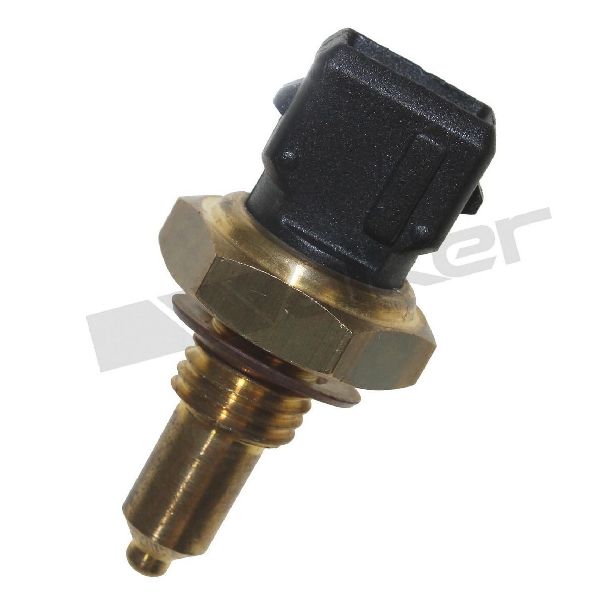
- Walker Products: Another established brand known for fuel and engine management parts.
Tier 3: Economy Brands
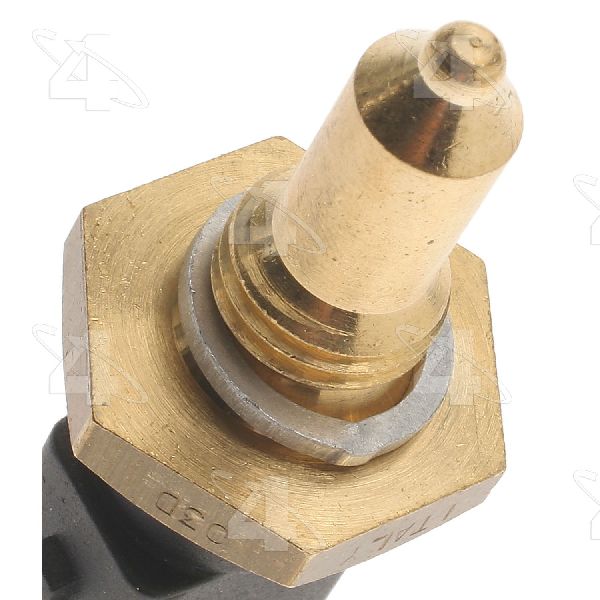
Brands like Four Seasons and Global Parts may offer the lowest price, but for a critical sensor on a high-performance engine like the S65, it is generally recommended to stick with OEM-quality or trusted aftermarket brands to ensure accuracy and longevity.
Pro Tip: The coolant temperature sensor is a relatively inexpensive part. Given the known TSB and the importance of its function, spending a few extra dollars on a reputable brand like Delphi or Vemo is a wise investment for your M3's health.
| Part Type | Estimated Cost |
|---|---|
| New OEM (Dealer) | $48 - $66 |
| New Aftermarket | $19 - $35 |
| Shop Labor | $75 - $150 |
Frequently Asked Questions
Where is the coolant temperature sensor located on the E9x M3?
The engine coolant temperature sensor on the S65 V8 engine is located on the thermostat housing. To access it, you will likely need to remove the engine's intake plenum.
Is this a difficult part to replace myself?
For a moderately skilled DIY mechanic, this is a feasible job. The sensor itself simply unscrews. The main challenge is accessing it, which requires removing the intake plenum. You will also lose a small amount of coolant, so it's important to be prepared and top off the system afterward. Following the proper coolant bleeding procedure for a BMW is critical to avoid air pockets in the system.
Was there a recall for the coolant temperature sensor?
No, there has not been a specific safety recall for the coolant temperature sensor on the 2008-2014 BMW M3. However, BMW did issue a Technical Service Bulletin (TSB) which acknowledges the potential for sensor and connector issues. There have been recalls for other BMW models related to the electric water pump connector, but these do not apply to the M3's S65 engine.
Should I replace the wiring connector at the same time?
Yes, it is highly recommended. The official BMW TSB for this issue advises installing a harness repair kit (Part No. 12 51 7 847 971) along with the new sensor (Part No. 13 62 1 433 076). Engine vibrations can cause the connection to become loose or intermittent over time, so replacing the connector plug helps ensure a reliable, long-term fix.
Technical Specifications
OEM Part Numbers: 13621433076
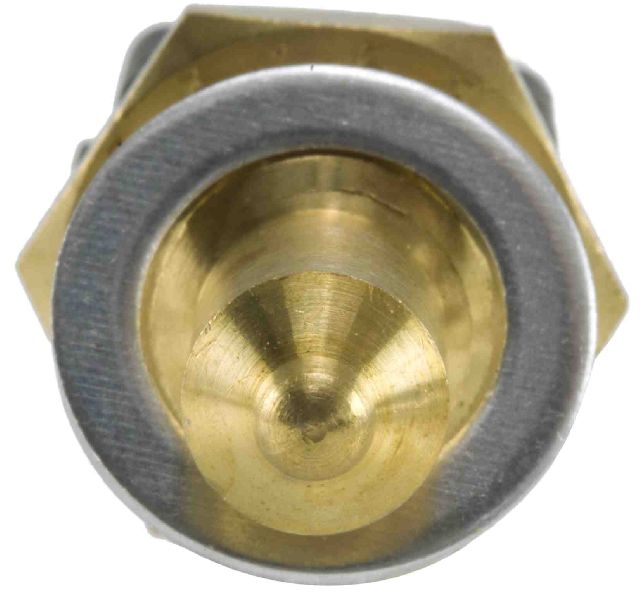
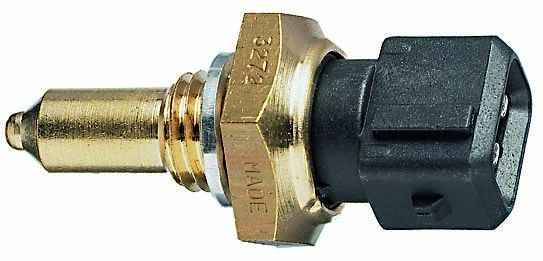
This sensor is a thermistor, which changes its electrical resistance based on temperature. It is a 2-pin sensor that screws into the thermostat housing.
We Have This Part in Stock


The information in this article is provided for general reference and educational purposes only. Vehicle specifications, procedures, and part compatibility can vary by production date, trim level, and region. Always consult your vehicle's factory service manual and verify part numbers before purchasing or performing repairs. Safety-critical components such as airbags, seat belts, and braking systems should be installed by a qualified professional.
- BMW M3: